
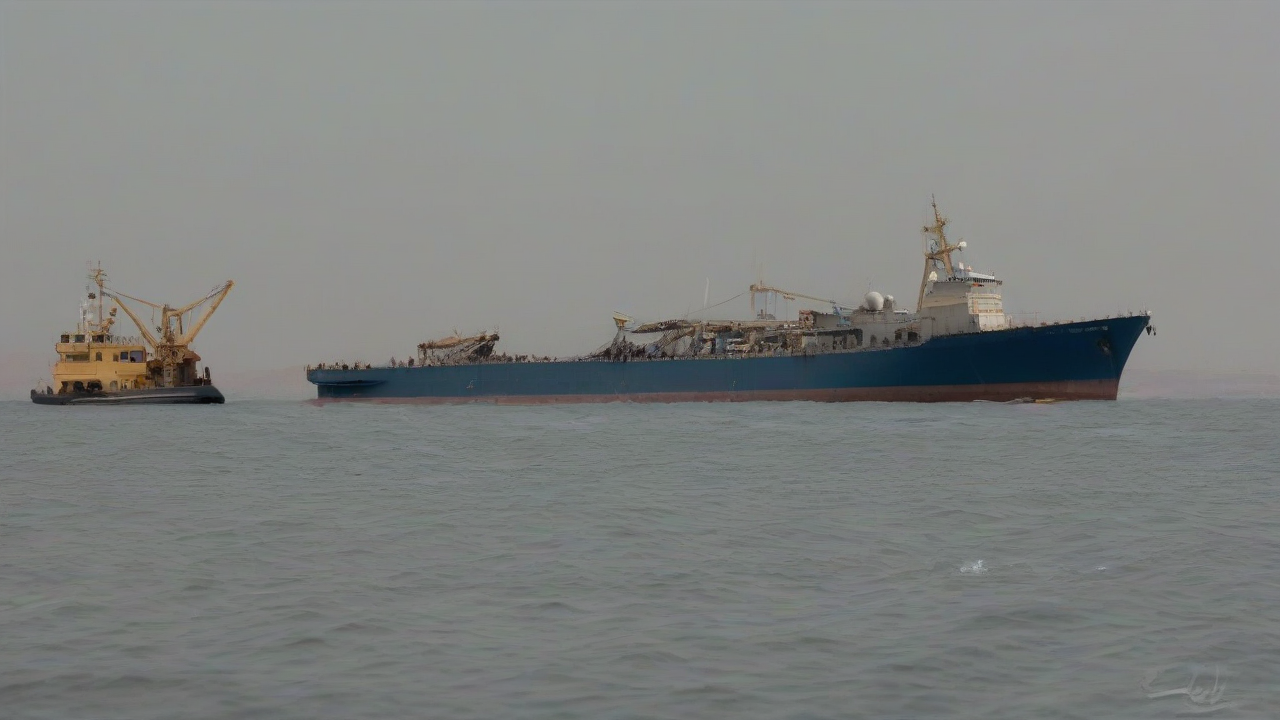
Rising Tensions in the Strait of Hormuz
A surge in attacks on civilian ships in the Gulf has raised concerns about the stability of the region, with the Strait of Hormuz, a critical waterway, being particularly affected. According to reports from BBC, Reuters, CNN, CBS News, and Fox News, a wave of incidents has resulted in multiple vessels being struck, disrupting maritime traffic and sparking fears of an escalation in tensions between Iran and other nations.
A Pattern of Attacks
Observers point out that the recent attacks on ships near the Strait of Hormuz may be part of a broader strategy by Iran to exert pressure on the international community. Analysts note that the strikes, which have targeted a range of vessels, including container ships and tankers, could be intended to send a message to the United States and other countries about Iran’s capabilities and resolve. As reported by CBS News, a strike on a Thai tanker in the Strait of Hormuz may be seen as a deliberate attempt to provoke a response from the U.S.
Implications for Global Trade
The attacks on ships in the Gulf have significant implications for global trade, as the Strait of Hormuz is a vital waterway for the transportation of oil and other goods. With multiple vessels being attacked in a short span, the region’s shipping lanes have become increasingly uncertain, leading to concerns about the potential disruption of global supply chains. According to sources, the situation is being closely monitored by international authorities, who are working to ensure the safe passage of ships through the region.
Regional Consequences
The ongoing attacks in the Strait of Hormuz have also raised concerns about the regional consequences of an escalation in tensions. Experts warn that a further deterioration in relations between Iran and other countries could have far-reaching implications for the Middle East, potentially drawing in other nations and leading to a wider conflict. As reported by Fox News, Iran has launched fresh attacks on the Middle East, adding to the sense of instability in the region.
International Response
The international community is calling for calm and restraint in the face of the rising tensions in the Gulf. Diplomatic efforts are underway to resolve the crisis peacefully, with observers noting that a negotiated settlement is essential to preventing further escalation. However, with the situation on the ground remaining volatile, it is unclear what the outcome will be. According to BBC, the situation is being closely watched by the international community, with many countries urging all parties to exercise restraint.
What’s Next
As the situation in the Strait of Hormuz continues to unfold, observers will be watching closely for any signs of escalation or de-escalation. With multiple vessels having been attacked in recent days, the stakes are high, and the international community will be keenly aware of the potential consequences of any further incidents. As reported by Reuters, the situation remains fluid, with new developments emerging on a daily basis. In the coming days and weeks, the world will be watching to see how the crisis is resolved, and what the long-term implications will be for the region and the global economy.
Reader Comments