
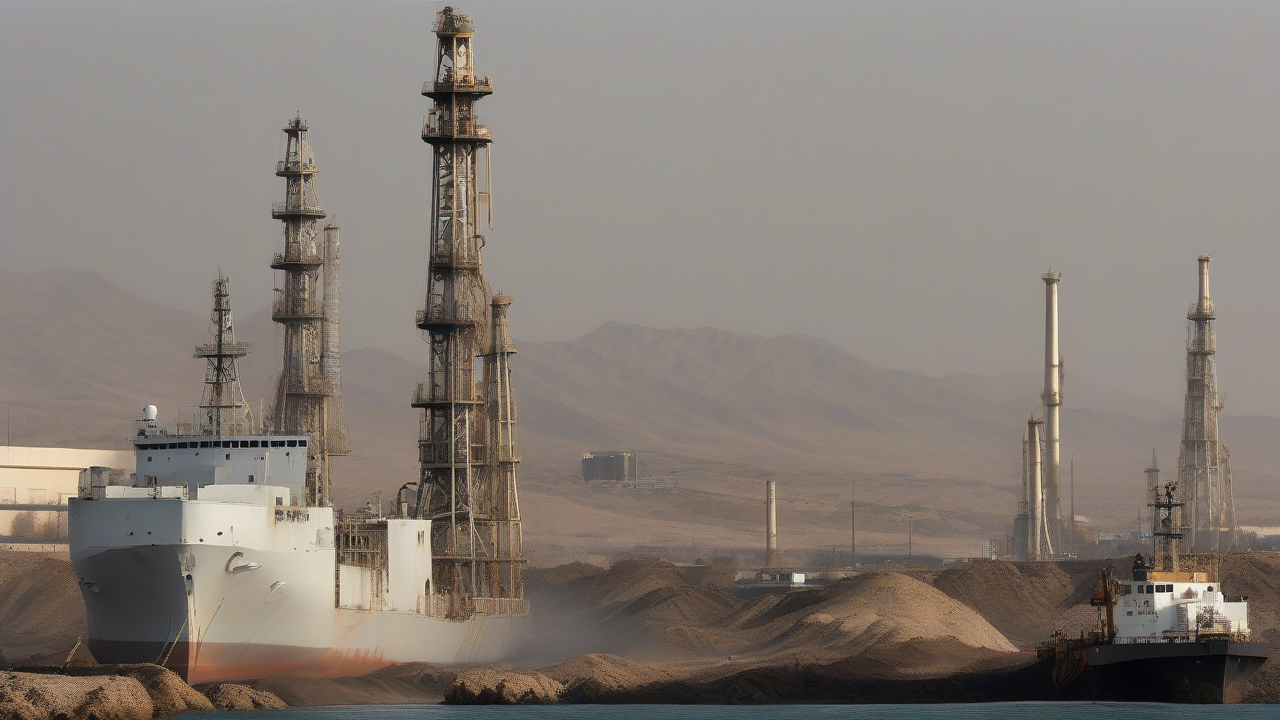
Escalating Tensions in the Middle East
The conflict in Iran has taken a dramatic turn, with the country launching a series of attacks on commercial ships, the Dubai airport, and oil facilities, according to reports from CBS News and AP News. This escalation has significant implications for global energy supplies, as Iran has effectively stopped cargo traffic in the Strait of Hormuz, a critical waterway for international trade.
Impact on Global Energy Markets
Analysts note that the Strait of Hormuz is a vital passage for oil tankers, with approximately 20% of the world’s oil supply passing through it. The disruption to cargo traffic in this region has sparked concerns over the potential for a global energy crisis. As reported by Military.com, Iran’s targeting of commercial ships and oil facilities has already led to a significant increase in oil prices, with some predicting that prices could reach $200 a barrel, as stated by Reuters.
Tehran’s Warning to Banks
In a move that observers point out is a clear escalation of tensions, Tehran has warned that banks will be the next target. This threat has raised concerns among financial institutions and governments around the world, as it could have far-reaching consequences for the global economy. According to sources, this warning is seen as a signal that Iran is willing to take drastic measures to achieve its goals.
Regional and Global Implications
The move signals a significant shift in the conflict, with Iran taking a more aggressive stance against its perceived enemies. Experts note that this escalation has the potential to draw in other countries, including those in the region and beyond. The impact of these attacks will be felt not only in the Middle East but also globally, as the disruption to oil supplies and the potential for further escalation threaten to destabilize the global economy.
Humanitarian Concerns
The attacks on commercial ships and the Dubai airport have also raised humanitarian concerns, as they pose a risk to the safety of civilians and crew members. Analysts point out that the targeting of these vessels and facilities is a clear violation of international law and has the potential to lead to a significant loss of life.
What to Watch Next
As the situation continues to unfold, observers will be watching for any further escalation of tensions, including potential attacks on banks and other financial institutions. The international community will also be monitoring the situation closely, with many calling for a diplomatic solution to the conflict. With the global energy market already feeling the effects of the disruption, the next few days will be critical in determining the outcome of this crisis. According to CBS News, the situation remains volatile, and any further developments will be closely watched by governments and financial markets around the world.
Reader Comments