
Global Oil Market Faces Unprecedented Disruptions
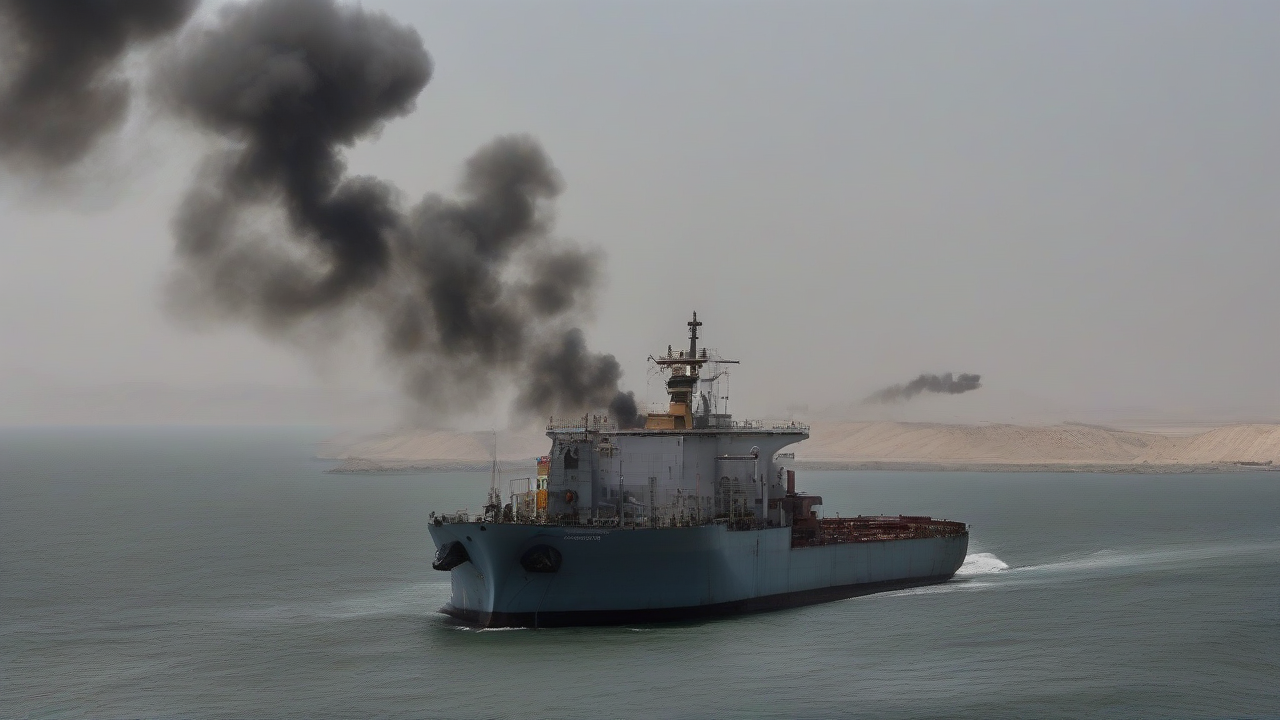
The global oil market is experiencing historic disruptions as tensions escalate in the Middle East, with Iran intensifying its attacks on shipping in the region. According to reports from CNN, the Strait of Hormuz, a critical waterway for oil exports, has become a focal point of the conflict. Iran’s new supreme leader has stated that the strait must remain closed as a means to pressure enemies, as reported by CNBC.
Escalating Tensions and Threats
The situation has been further exacerbated by threats from Iran’s leadership, including a statement from Khamenei, as reported by Al Jazeera, that US bases in the region will be targeted unless they are closed. This escalation has significant implications for global oil supplies and prices, with analysts noting that the disruptions could have far-reaching consequences for the global economy. As reported by NPR, Iran has issued a statement purported to be from its new leader, vowing revenge on the US and Israel amidst the ongoing conflict.
Impact on Global Oil Prices
The attacks on shipping and the closure of the Strait of Hormuz have already led to significant increases in global oil prices, with observers pointing out that this could have a major impact on inflation and economic growth. According to experts, the disruption to oil supplies could lead to a shortage of fuel, particularly in regions that rely heavily on imports from the Middle East. As reported by Axios, Iran’s new supreme leader has vowed to take revenge on the US and Israel, further escalating the conflict and adding to concerns about the stability of the global oil market.
Broader Implications and Context
The current situation in the Middle East has significant implications for global security and the economy. The conflict between Iran, the US, and Israel has been ongoing for years, with periods of escalation and de-escalation. However, the current situation is particularly concerning due to the potential for widespread disruption to global oil supplies. Analysts note that the situation is complex and multifaceted, with a range of factors contributing to the tensions, including geopolitical rivalries, economic interests, and historical grievances.
What to Watch Next
As the situation continues to unfold, observers will be watching closely for any signs of escalation or de-escalation. Key developments to watch include any further statements from Iran’s leadership, as well as responses from the US and Israel. Additionally, the impact of the conflict on global oil prices and supplies will be closely monitored, with analysts noting that any significant disruptions could have far-reaching consequences for the global economy. According to sources, the next few days will be critical in determining the trajectory of the conflict and its impact on the global oil market.

Reader Comments