
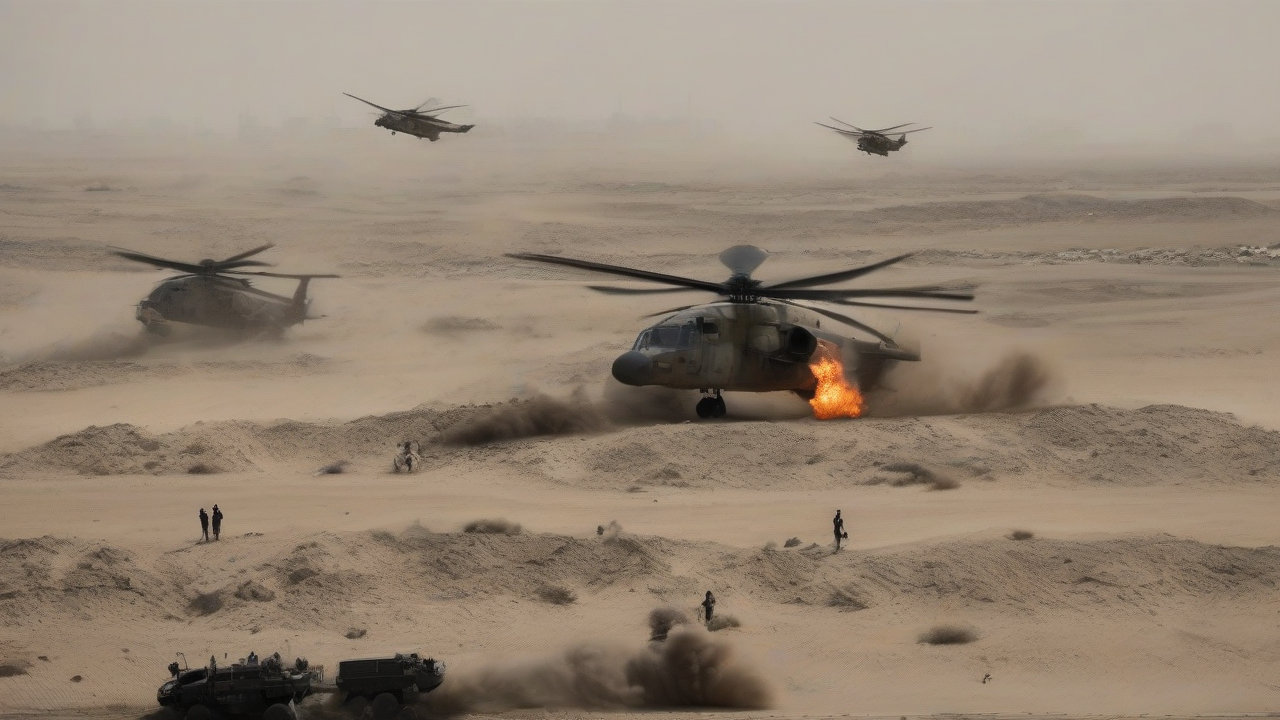
Escalating Tensions in the Gulf
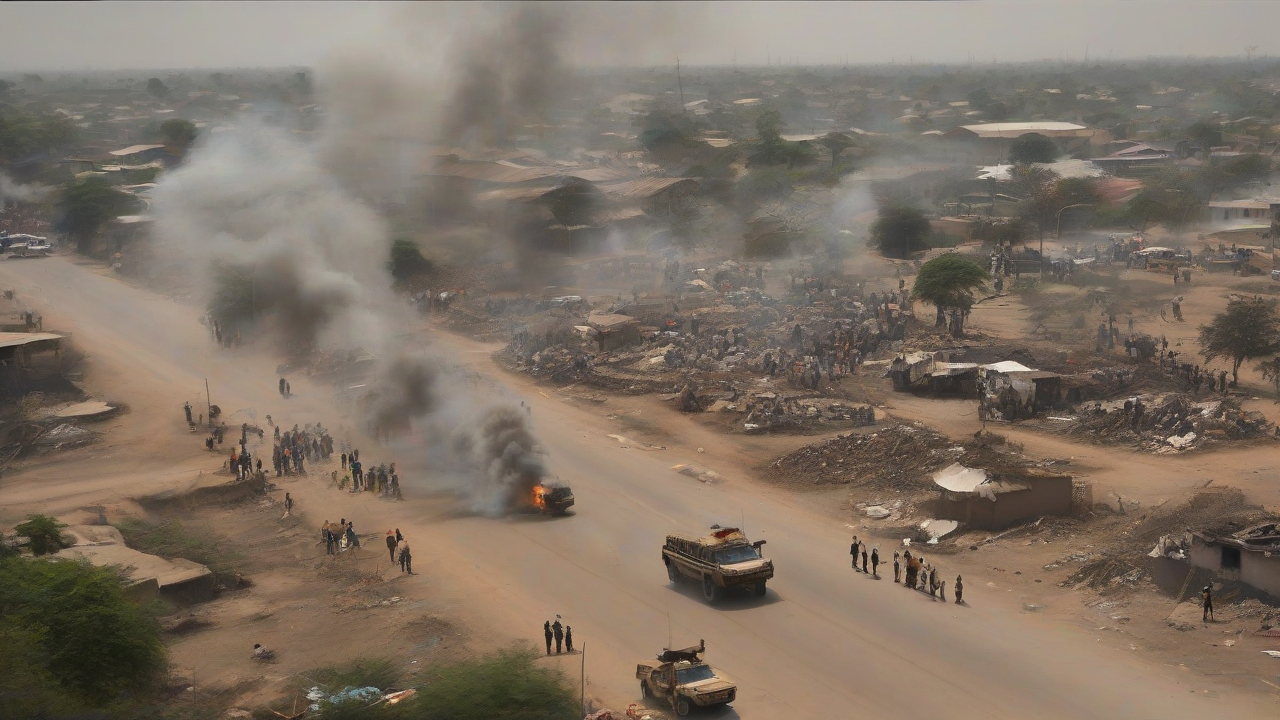
A surge in attacks on ships and oil facilities across the Gulf has significantly heightened concerns over the deepening crisis in the Strait of Hormuz, according to reports from Euronews.com and CNN. The situation has become increasingly volatile, with Iran unleashing intense waves of strikes, targeting not only ships but also Dubai airport and oil facilities, as noted by AP News. This escalation comes as economic concerns continue to mount, both regionally and globally, due to the strategic importance of the Strait of Hormuz for international oil trade.
Impact on Global Oil Prices
The ongoing conflict and the targeting of oil facilities have led to fears of disruption in oil supplies, which in turn has kept oil prices high. Despite efforts to stabilize the market, including a deal to release a historic amount of petroleum reserves, as reported by NBC News, there seems to be no immediate relief from the high oil prices. Analysts note that the situation in the Gulf, particularly the attacks on ships and facilities, signals a challenging period ahead for the global economy, which heavily relies on stable oil prices.
Humanitarian Concerns
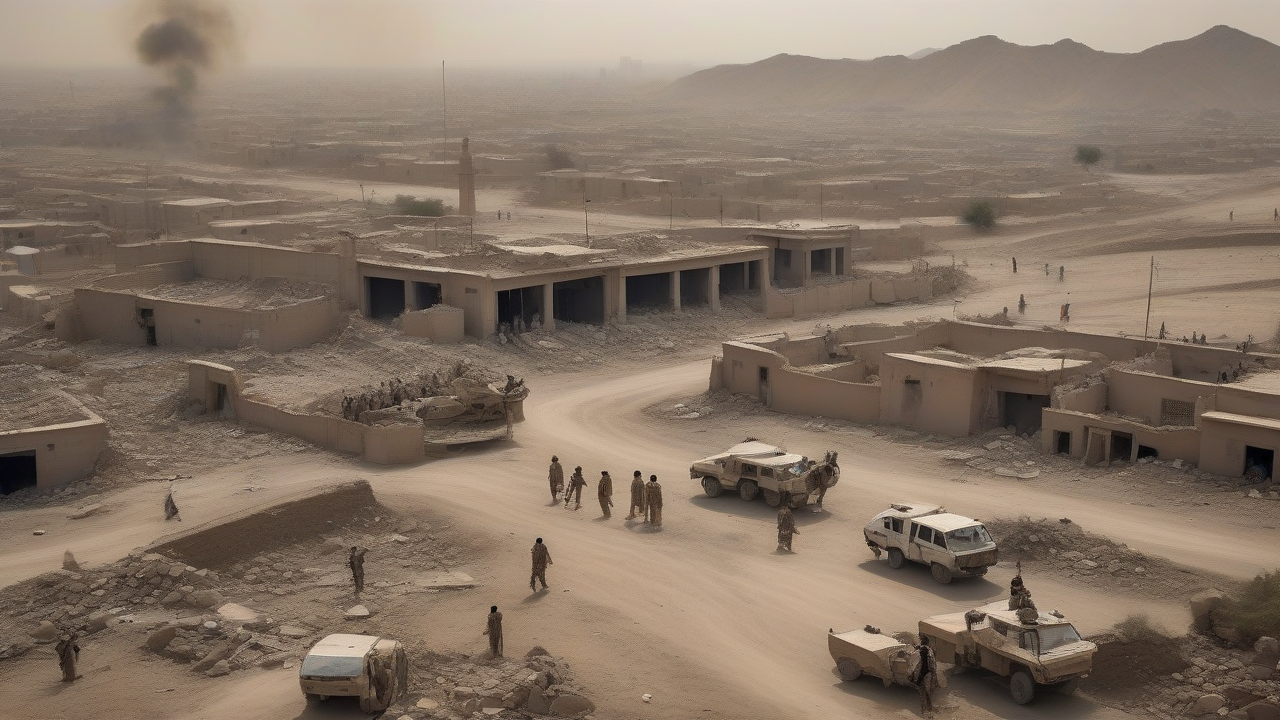
Observers point out that the conflict is not only affecting economic interests but also has significant humanitarian implications. The targeting of a school, as investigated by the U.S., underscores the risk of civilian casualties in the escalating conflict, as mentioned by NPR. This raises concerns about the protection of civilians and the potential for the conflict to spread, affecting more countries in the region.
Geopolitical Implications
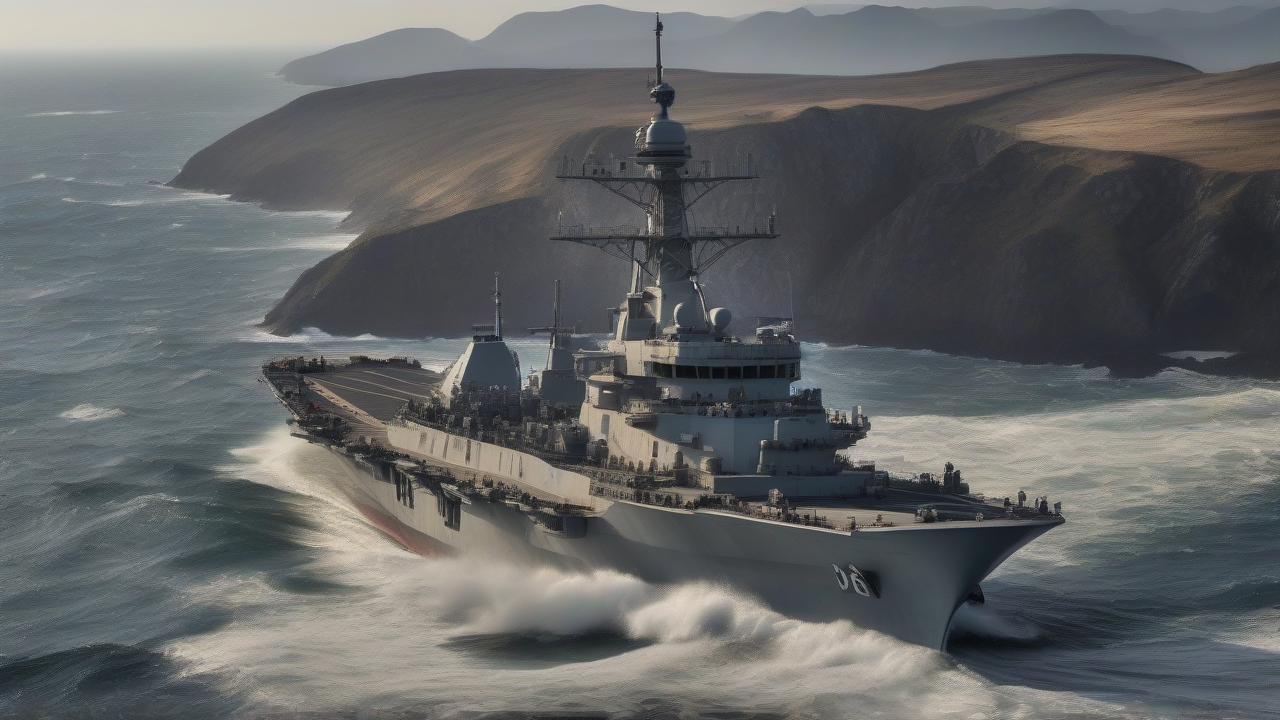
The move by Iran to intensify its strikes across the Gulf indicates a significant escalation in the geopolitical tensions in the region. Experts suggest that this could lead to further involvement from international powers, potentially drawing in more countries into the conflict. The crisis in the Strait of Hormuz is being closely watched, as it has the potential to affect global trade and stability, according to sources indicating a deepening concern among international observers.
What to Watch Next
As the situation continues to unfold, all eyes will be on the next moves by the parties involved, including any potential retaliation or diplomatic efforts to de-escalate the situation. Upcoming decisions by major oil-producing countries regarding oil production and reserve releases will also be crucial in determining the impact of the crisis on global oil prices. Furthermore, international community responses, including any statements or actions from the United Nations, will be closely monitored for signs of how the global community intends to address the escalating crisis in the Gulf.
Regional and Global Reactions
The international community, including the United States and other major powers, is under pressure to respond to the escalating situation. As reported by various news outlets, including CNN and AP News, the reactions from these countries will be critical in determining the next phase of the conflict. The economic and humanitarian implications of the crisis are already being felt, and a coordinated international response may be necessary to mitigate these effects and work towards a resolution.
Conclusion
The deepening crisis in the Strait of Hormuz, marked by intense waves of strikes across the Gulf, poses significant challenges for regional and global stability. As the situation continues to evolve, it is essential to monitor developments closely, considering the potential for further escalation and the implications for global oil prices, regional security, and humanitarian concerns. According to sources, the coming days will be critical in shaping the outcome of the crisis, with all parties involved facing significant decisions that will impact the future of the region and beyond.
Reader Comments