
Escalation in the Middle East
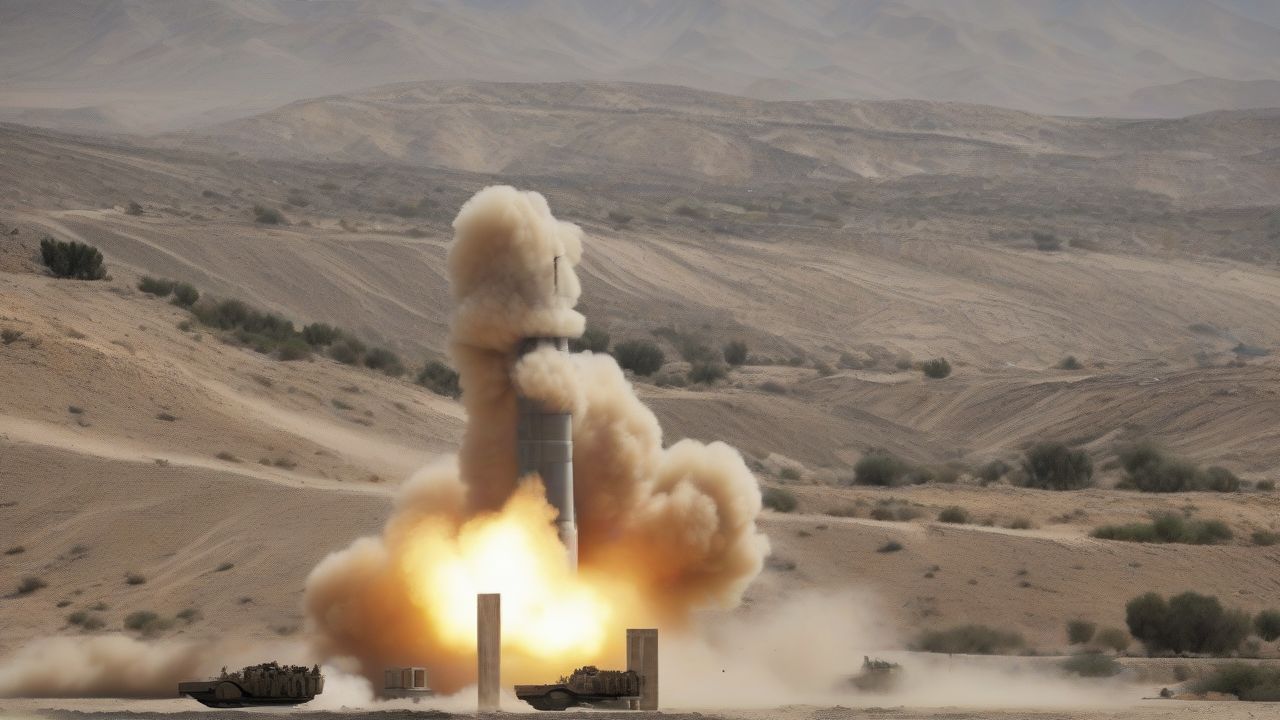
A significant escalation in the conflict between Iran and Israel has been reported, with Iran firing approximately 300 missiles at Israel, according to the Israeli Defense Forces (IDF). This attack, which included about half of the missiles equipped with cluster bomb warheads, marks a substantial increase in hostility between the two nations. As reported by The Times of Israel, this coordinated strike, allegedly carried out by Iran and its ally Hezbollah, has raised concerns about the intensifying violence in the region.
Context and Implications
Analysts note that the use of cluster bomb warheads signifies a dangerous escalation, as these weapons can cause widespread harm to civilians and infrastructure. Observers point out that this move by Iran may be an attempt to demonstrate its military capabilities and challenge Israeli defenses. The fact that no injuries have been reported, as indicated by The Times of Israel, may be attributed to the effectiveness of Israel’s defense systems, but the situation remains volatile. Experts warn that such actions could lead to further destabilization in the Middle East, potentially drawing in other countries and escalating the conflict.
Impact on the Region
The people of Israel and surrounding areas are directly affected by these attacks, with the constant threat of missile strikes causing fear and uncertainty. The move signals a significant shift in Iran’s strategy, as it appears to be taking a more aggressive stance against Israel. According to sources, including Reuters, Iran’s missiles have breached Israeli defenses, raising questions about the effectiveness of these systems in protecting against future attacks. The Wall Street Journal reports that Iran has claimed responsibility for the attacks, stating that they have carried out their heaviest attacks yet.
International Response
As the situation continues to unfold, the international community is watching with concern. The use of cluster bombs, which are banned by many countries due to their indiscriminate nature, has sparked outrage. Analysts expect a strong response from the international community, with potential diplomatic and economic repercussions for Iran. The United States, European Union, and other major powers may be prompted to reevaluate their relationships with Iran and consider imposing further sanctions.
What to Watch Next
In the coming days, observers will be closely monitoring the situation for any signs of further escalation. The Israeli government’s response to these attacks will be crucial, as it may dictate the trajectory of the conflict. Additionally, the international community’s reaction, including any potential sanctions or diplomatic efforts, will be important to watch. As reported by Fox News, the coordinated nature of the attacks suggests a high level of planning and cooperation between Iran and Hezbollah, which may indicate a long-term strategy to challenge Israeli and regional security. According to The Times of Israel, the lack of injuries in the latest attack is a positive sign, but the situation remains precarious, and all parties involved are on high alert.

Reader Comments