
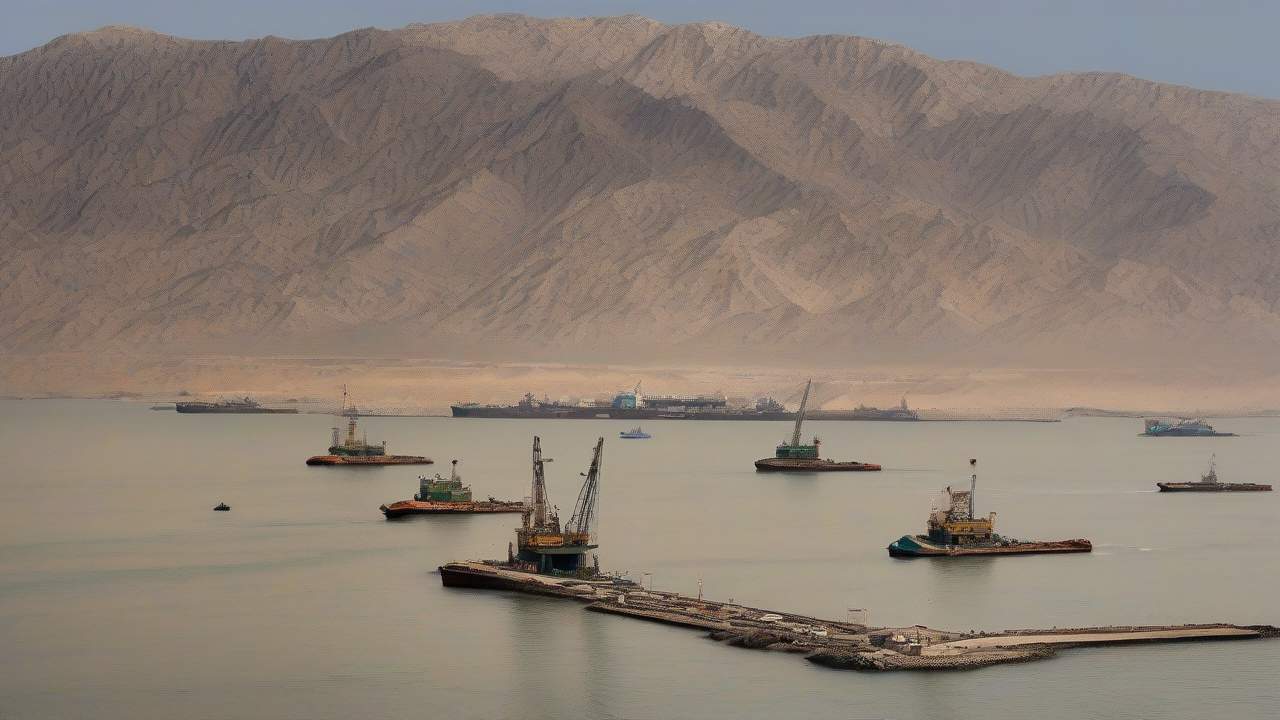
Escalating Tensions in the Strait of Hormuz
A significant escalation in the conflict between Iran and the United States has occurred, with Iran laying mines in the Strait of Hormuz, a critical waterway for global oil shipments. According to reports from the Wall Street Journal, this move has triggered a response from the U.S., further heightening tensions in the region. The Strait of Hormuz, which connects the Persian Gulf to the Arabian Sea, is a vital shipping lane, with approximately 20% of the world’s oil passing through it.
Impact on Global Oil Supplies
The laying of mines in the Strait of Hormuz has sparked concerns about the safety of merchant ships and the potential disruption to global oil supplies. As reported by BBC, 32 countries have agreed to release the largest ever amount of oil from their reserves to mitigate the impact of the escalating conflict on the global energy market. This move is seen as an effort to stabilize oil prices and prevent a shortage in supply. Analysts note that the situation in the Strait of Hormuz has the potential to significantly impact the global economy, as any disruption to oil shipments could lead to increased prices and decreased economic activity.
Recent Attacks on Ships
In recent days, several ships have been attacked near the Strait of Hormuz, including three cargo ships struck off the coast of Iran, as reported by CNBC. The UK has confirmed that one of these ships was indeed hit while navigating the Strait of Hormuz. Observers point out that these attacks demonstrate the ongoing risk to merchant vessels in the region and highlight the need for increased security measures to protect shipping lanes. According to Reuters, three more vessels were hit by projectiles in the Strait of Hormuz, underscoring the intense nature of the conflict and the dangers faced by ships in the area.
U.S. Response and International Implications
The U.S. response to Iran’s actions in the Strait of Hormuz is being closely watched by the international community. As reported by NBC News, the U.S. has taken steps to address the situation, although the specifics of its response have not been fully disclosed. The move by Iran to lay mines in the Strait of Hormuz is seen as a provocative act, and analysts note that it signals an escalation in the conflict between the two nations. The situation has significant implications for global security and the stability of the Middle East, and observers are warning of the potential for further escalation.
What to Watch Next
As the situation in the Strait of Hormuz continues to unfold, several key developments will be worth watching. The international community will be closely monitoring the actions of both Iran and the U.S., as well as the responses of other nations in the region. The impact of the conflict on global oil prices and the stability of the energy market will also be a key area of focus. According to sources, the next few days will be critical in determining the trajectory of the conflict and the potential for a resolution or further escalation. As reported by the Wall Street Journal, the situation remains highly fluid, and observers are warning that the potential for miscalculation or unintended consequences is high.
Reader Comments