
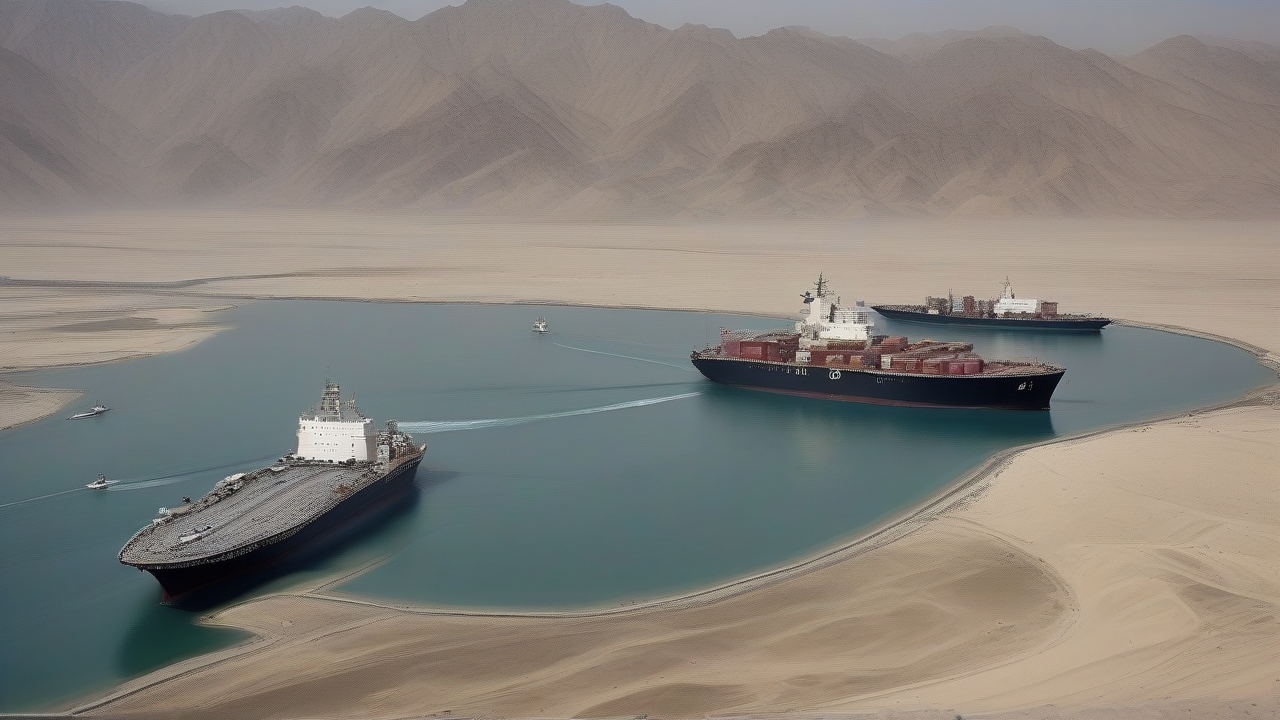
Rising Tensions in the Strait of Hormuz
In a move that has significant implications for global trade and energy security, Iran’s foreign ministry has announced that ships must now coordinate with the country’s navy to pass through the Strait of Hormuz, according to Reuters. This development comes amidst escalating tensions in the region, with Iran’s actions sparking concerns about the potential disruption of oil supplies.
Why the Strait of Hormuz Matters
The Strait of Hormuz is a critical waterway that connects the Persian Gulf to the Gulf of Oman, and it is a vital route for international oil trade. Approximately 20% of the world’s oil passes through the strait, making it a crucial chokepoint for global energy supplies. As reported by The New York Times, the strait’s strategic importance is underscored by its narrow width, which makes it vulnerable to blockade or disruption.
Economic Implications
The potential closure of the Strait of Hormuz could have far-reaching economic consequences, as noted by Axios. A disruption to oil supplies could lead to increased prices, which would have a ripple effect on the global economy. Furthermore, the impact on trade and commerce could be significant, with shipping companies and businesses that rely on the strait for transportation facing potential losses.
Iran’s Position
Despite the announcement by Iran’s foreign ministry, a diplomat from Tehran has stated that the country does not intend to block the Strait of Hormuz, as reported by Euronews.com. However, the presence of Iranian mines in the strait has raised concerns among shipping companies and naval authorities, with NPR highlighting the potential risks to maritime traffic.
Impact on Maritime Trade
The new requirement for ships to coordinate with Iran’s navy has raised concerns among shipping companies and naval authorities. Analysts note that this move could lead to increased tensions and potential conflicts in the region. Observers point out that the situation is being closely monitored by international authorities, with the United States and other countries urging Iran to ensure the safe passage of ships through the strait.
What to Watch Next
As the situation in the Strait of Hormuz continues to unfold, several key developments are worth watching. The response of the international community, particularly the United States and other major powers, will be crucial in determining the outcome of the situation. Additionally, the impact on global oil prices and the broader economy will be closely monitored. According to sources, the situation remains fluid, and any further escalation could have significant consequences for regional stability and global trade. As reported by Reuters, the international community is urging calm and restraint, while also emphasizing the importance of ensuring the safe passage of ships through the strait.

Reader Comments