
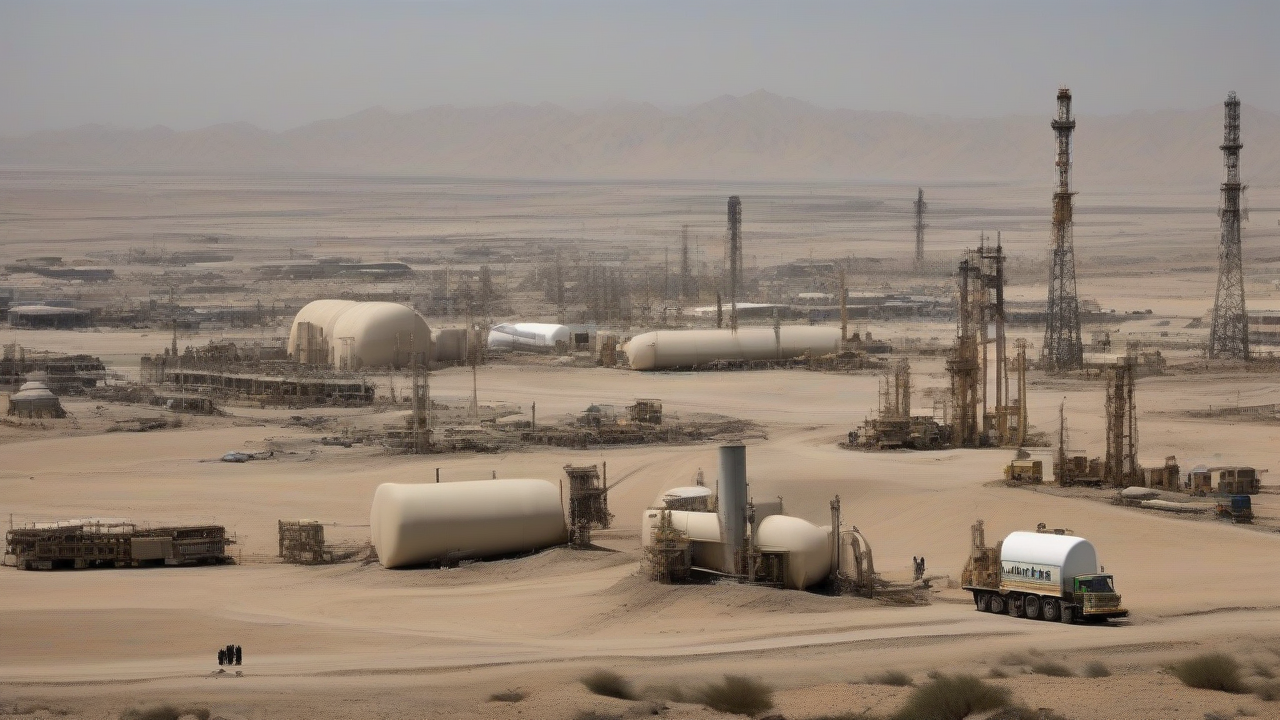
Global Economy Teeters as Iran’s Aggressive Diplomacy Sparks Oil Price Fears
The ongoing Middle East conflict has entered its 13th day, with Iranian leaders adopting a hardline diplomatic stance, emboldened by the recent oil shock. As reported by the Wall Street Journal, this aggressive approach has significant implications for the global economy, which is already experiencing disruptions due to the conflict. Analysts note that the situation is being closely monitored, as the potential for further escalation could have far-reaching consequences.
The Strait of Hormuz: A Critical Chokepoint
The Strait of Hormuz, a vital waterway connecting the Persian Gulf to the Arabian Sea, has become a focal point in the conflict. Iran has warned that it will not allow a single liter of oil to pass through the strait, which could lead to a significant increase in oil prices. According to Reuters, Iranian officials have suggested that oil prices could reach as high as $200 a barrel, a claim that has sparked concern among economists and industry experts. Observers point out that such a price hike would have a devastating impact on the global economy, leading to increased costs for consumers and businesses alike.
Economic Implications and Global Reactions
The potential for oil prices to skyrocket has sent shockwaves through the global economy, with many countries scrambling to respond to the crisis. As reported by CNN, the conflict has already led to disruptions in global trade, with merchant ships being targeted by Iranian forces. Euronews.com notes that the situation is being closely watched by economists, who are warning of a potential recession if the conflict is not resolved soon. Al Jazeera reports that Iran’s aggressive stance has sparked a diplomatic backlash, with many countries condemning its actions and calling for a peaceful resolution to the conflict.
What’s at Stake and What’s Next
The stakes are high, with the global economy hanging in the balance. Analysts note that a prolonged conflict could lead to a significant increase in oil prices, which would have far-reaching consequences for businesses and consumers. As the situation continues to unfold, observers are watching for any signs of a diplomatic breakthrough or further escalation. According to sources, the international community is working to find a peaceful resolution to the conflict, but the path forward remains uncertain. As the world waits with bated breath, one thing is clear: the outcome of this conflict will have significant implications for the global economy and beyond.
Reader Comments