
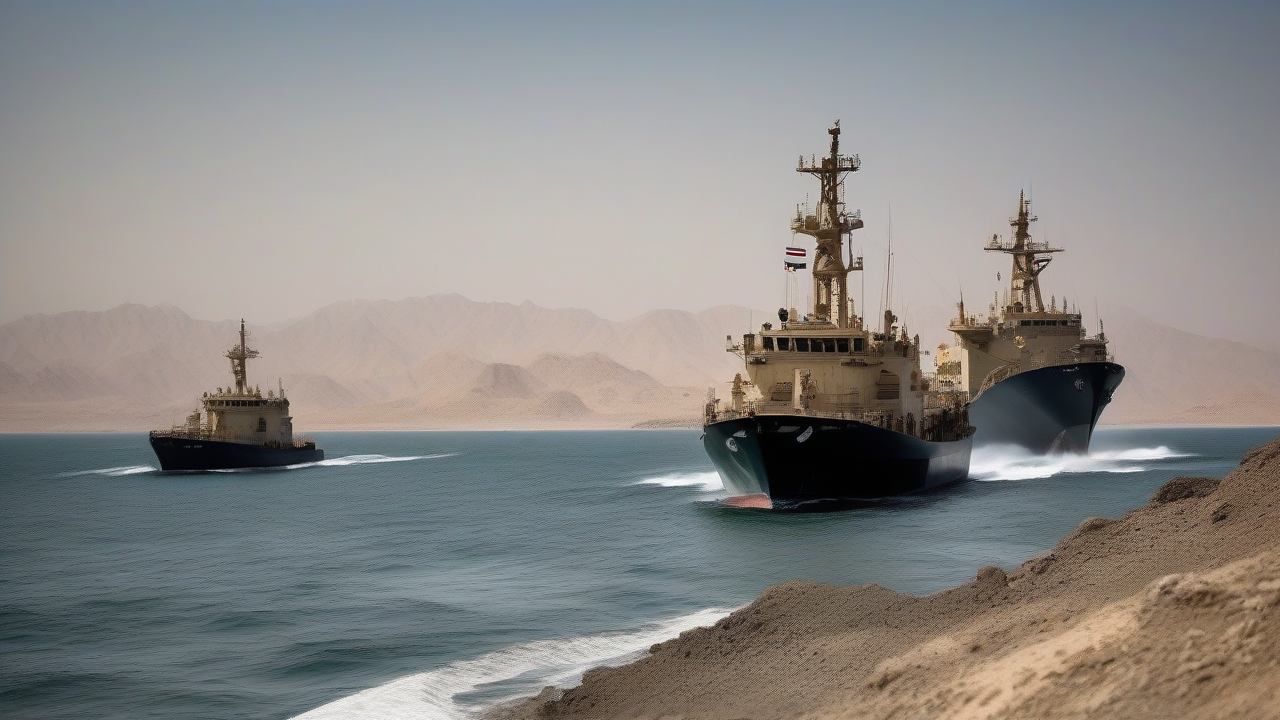
Rising Tensions in the Strait of Hormuz
The Strait of Hormuz, a vital waterway connecting the Persian Gulf to the Arabian Sea, has become a flashpoint in global politics, with Iran’s recent actions sparking concerns about the free flow of oil and the potential for a broader conflict. According to a report by Just Security, the legal and operational issues surrounding transit passage through the strait are under intense scrutiny. As reported by The New York Times, the situation has been escalating for some time, with little done to head off the problems in the Strait of Hormuz.
Economic Implications
The Strait of Hormuz is a critical chokepoint for the global oil trade, with approximately 20% of the world’s oil passing through it. As noted by Fortune, Iran’s seizure of a gatekeeper role in the strait has led to a rise in oil prices, which could have far-reaching consequences for the global economy. A visual guide published by the Wall Street Journal illustrates how Iran is holding the strait hostage, highlighting the strategic importance of the waterway. CNBC warns that a closure of the strait could become a tipping point for the global economy, with potentially devastating effects on trade and economic stability.
Expert Analysis
Analysts note that the situation in the Strait of Hormuz is complex and multifaceted, involving not only Iran but also other regional players and global powers. Observers point out that the move by Iran to seize control of the strait signals a significant escalation of tensions in the region. The New York Times reports that the Trump administration is considering a risky naval option to reopen the strait, which could lead to further conflict. Experts caution that any military action could have unintended consequences, including the potential for a wider war.
Impact on Global Trade
The situation in the Strait of Hormuz has significant implications for global trade, with the potential to disrupt the flow of oil and other goods. As reported by CNBC, a closure of the strait could lead to a surge in oil prices, which would have a ripple effect on the global economy. The impact would be felt not only by oil-importing countries but also by industries that rely on the strait for trade, including shipping and logistics companies. Sources indicate that the situation is being closely monitored by governments and industry leaders around the world.
What to Watch Next
As the situation in the Strait of Hormuz continues to unfold, there are several key developments to watch. The response of the international community, including the United States and other global powers, will be critical in determining the outcome of the crisis. According to Just Security, the legal and operational issues surrounding transit passage through the strait will need to be addressed in order to resolve the situation. With the global economy hanging in the balance, the stakes are high, and the world will be watching closely as events unfold in the Strait of Hormuz.
Reader Comments