
Global Oil Supplies at Risk as Tensions Escalate in the Middle East
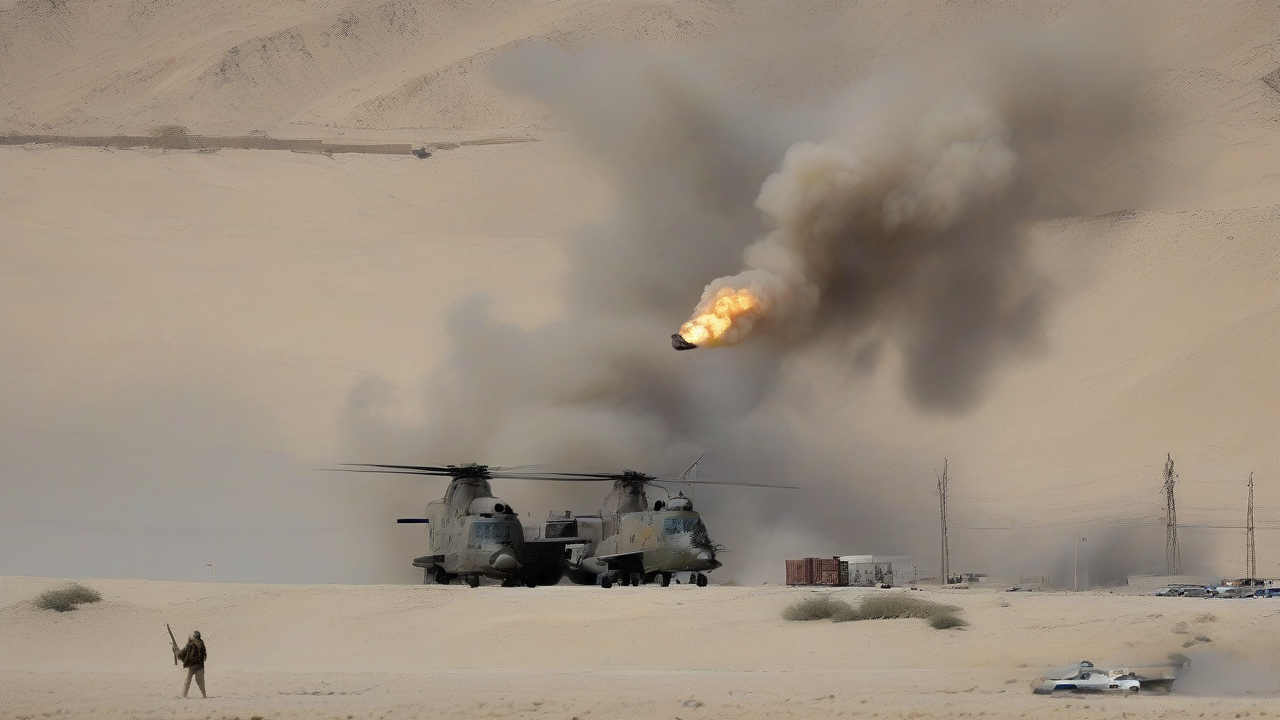
In a move that has significant implications for global oil supplies, Iran has launched a strike on the key UAE oil port of Fujairah and Dubai airport, according to reports from BBC World. This development comes at a time when the region is already on high alert due to ongoing tensions. The port of Fujairah is a critical hub that helps maintain the flow of global oil supplies, particularly in scenarios where the Strait of Hormuz is blocked.
Strategic Importance of the Port of Fujairah
Analysts note that the port of Fujairah plays a vital role in the global oil trade, serving as a bypass for oil shipments when the Strait of Hormuz, a major oil chokepoint, is closed. The Strait of Hormuz is a narrow waterway that connects the Persian Gulf to the Gulf of Oman and the Arabian Sea, through which a significant portion of the world’s oil passes. Observers point out that any disruption to oil shipments through this strait could have far-reaching consequences for the global economy, making the port of Fujairah an essential alternative route.
Impact on Global Oil Markets
The move signals a potential escalation in regional conflicts, which could lead to instability in global oil markets. As reported by BBC World, the attack on the UAE’s oil infrastructure has the potential to disrupt oil supplies, leading to increased prices and economic instability. Experts indicate that such disruptions can have a ripple effect, impacting not just the energy sector but also the broader economy. The stakes are high, with potential consequences for consumers, businesses, and economies worldwide.
Regional Tensions and Global Implications
The strike on the UAE’s oil port and airport is part of a larger pattern of escalating tensions in the Middle East. Sources indicate that these tensions are driven by complex geopolitical dynamics, involving multiple regional and global players. The situation is being closely watched by international observers, who are concerned about the potential for further escalation and its implications for global security and stability.
What to Watch Next
As the situation continues to unfold, observers will be watching for any signs of further escalation or de-escalation in the region. Upcoming diplomatic efforts and statements from key players will be closely scrutinized for indications of how the situation might develop. Additionally, the impact of the attack on global oil prices and the broader economy will be a key area of focus in the coming days and weeks. According to BBC World, the international community is calling for restraint and diplomatic solutions to resolve the conflict peacefully, highlighting the need for a swift and negotiated resolution to prevent further instability in the region.

Reader Comments