
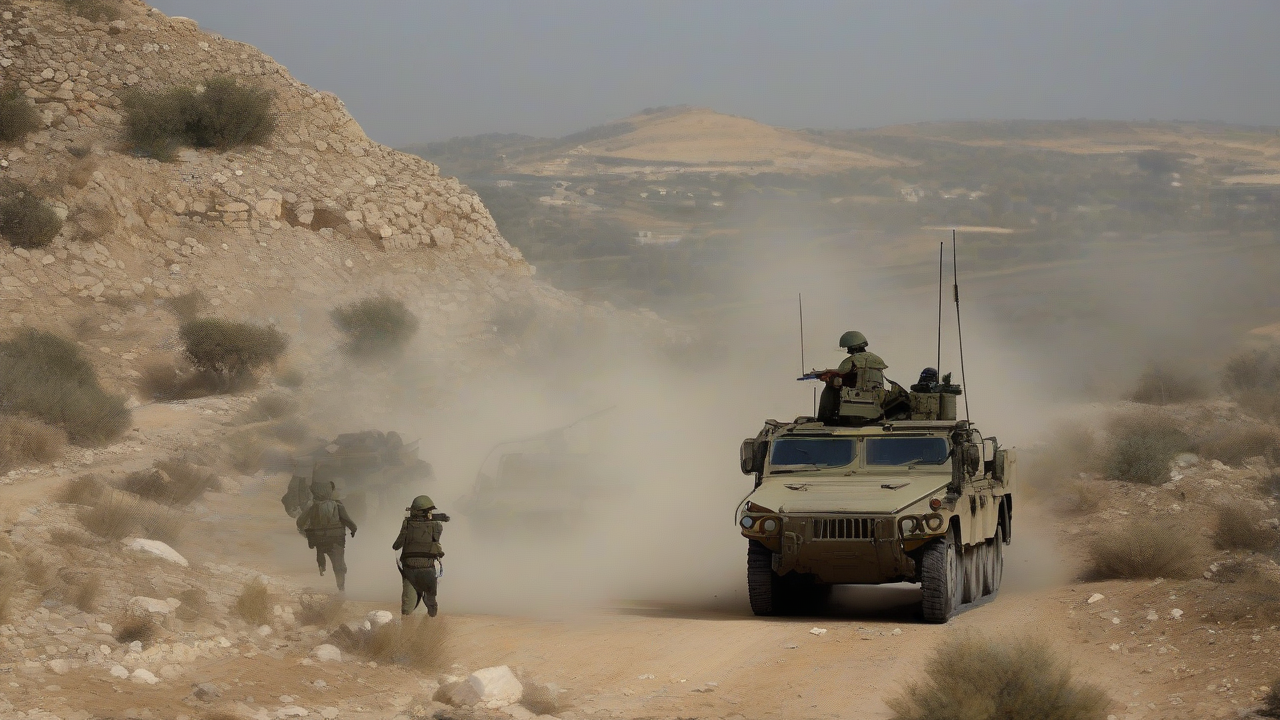
Escalating Conflict in the Middle East
The conflict between Israel and Hezbollah has intensified, with the Lebanese militant group firing at least 150 rockets at northern Israel, according to reports from The Times of Israel. This significant escalation comes as Iran has also launched missiles in what is being described as an “integrated operation,” signaling a coordinated effort between the two entities.
Broader Implications
Analysts note that this development marks a substantial expansion of the war against Iran, now spilling into Lebanon as Israel engages with Hezbollah. The Washington Post reports that Israel is battling Hezbollah, indicating a potentially prolonged and complex conflict. Observers point out that the involvement of Iran in launching missiles alongside Hezbollah’s rocket attacks suggests a unified front against Israel, raising concerns about the broader regional implications.
Context and History
The Israel-Lebanon border has become another front in the ongoing war with Iran, as highlighted by NPR. This escalation is not an isolated incident but rather part of a larger, more intricate conflict that involves multiple parties and territories. The historical tensions between Israel and its neighbors, coupled with the current geopolitical climate, contribute to the complexity of the situation. Experts emphasize that understanding the deep-seated historical and political factors is crucial for grasping the significance of these recent events.
Immediate Consequences
As reported by Reuters, Israel’s Defence Minister has announced plans to expand operations in Lebanon following the Hezbollah barrage. This move is expected to further escalate the conflict, with potential consequences for both military personnel and civilians in the region. The impact on local populations and the humanitarian situation is a significant concern, with analysts warning of potential displacement and loss of life.
Analysis and Reactions
Observers point out that an “isolated failure” within the Israeli Defence Forces (IDF) allowed Hezbollah missiles to strike a satellite station in Ramle, as indicated by The Times of Israel. This incident underscores the vulnerabilities in Israel’s defense systems and the sophistication of Hezbollah’s weaponry. The move by Iran to launch missiles in conjunction with Hezbollah’s actions signals a level of coordination and strategic planning, according to sources.
Looking Ahead
As the situation continues to unfold, all parties involved are bracing for further escalation. The international community is watching closely, with many calling for de-escalation and a return to diplomatic efforts to resolve the conflict peacefully. Upcoming decisions by Israel regarding its operations in Lebanon, as well as any potential response from Iran and Hezbollah, will be critical in determining the trajectory of this conflict. According to information from The Washington Post and other sources, the next few days will be pivotal in assessing whether the conflict can be contained or if it will spread further, affecting more countries in the region.
Humanitarian and Regional Concerns
The conflict’s expansion into Lebanon and the involvement of Iran raise significant humanitarian and regional stability concerns. Analysts note that the potential for this conflict to draw in other countries or to exacerbate existing tensions in the Middle East is high. The humanitarian impact, including the displacement of civilians and the destruction of infrastructure, is already being felt and is likely to worsen without a swift resolution. As reported by various news outlets, including NPR, the international community is urging restraint and calling for efforts to protect civilian lives and infrastructure.
Conclusion and Next Steps
The recent escalation between Israel and Hezbollah, with the backing of Iran, marks a dangerous turn in the regional conflict. As the situation develops, it is crucial to monitor the actions of all parties involved and the responses of the international community. The path forward will depend on the decisions made by Israel, Iran, and Hezbollah in the coming days, as well as the effectiveness of diplomatic efforts to broker peace. According to sources, including The Times of Israel and Reuters, the world is watching closely, hoping for a resolution that minimizes loss of life and promotes stability in the region.

Reader Comments