
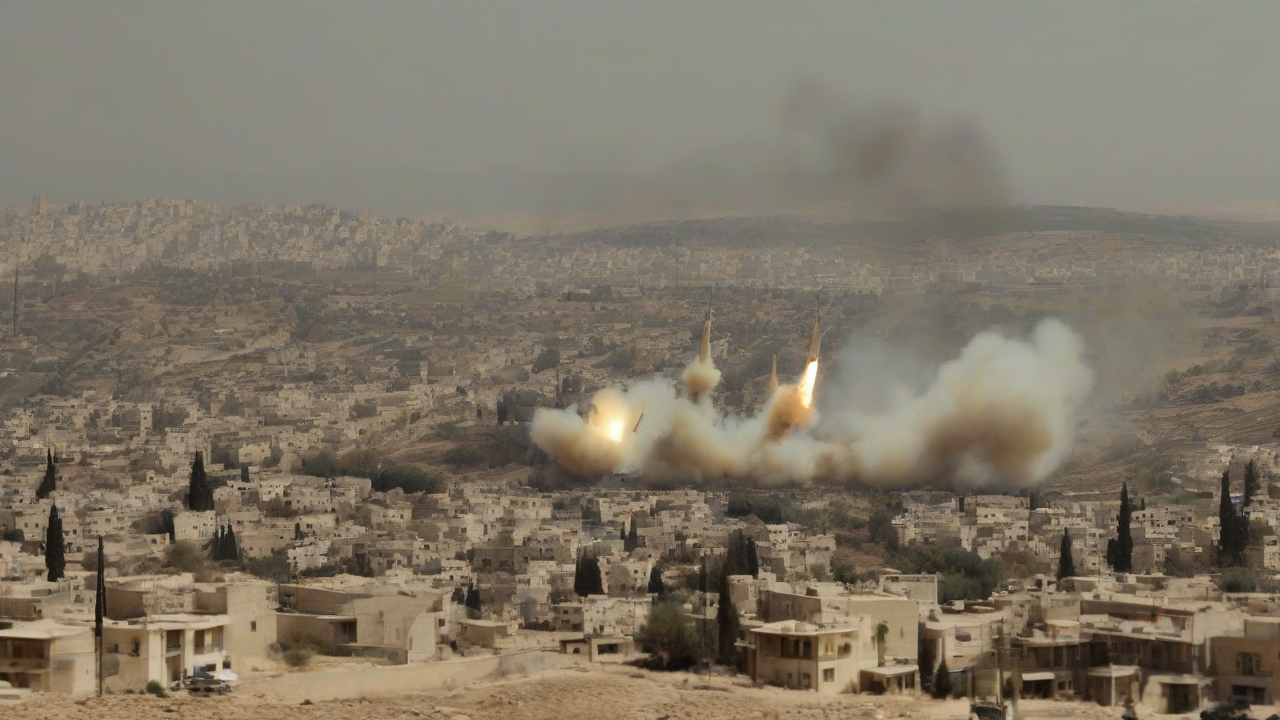
Escalating Tensions in the Middle East
A significant escalation in the conflict between Israel and Hezbollah has occurred, with the Israeli Defense Forces (IDF) launching targeted strikes against Hezbollah positions in southern Lebanon, according to reports from The Jerusalem Post and other sources. This move signals a heightened state of alert in the region, with analysts noting that the situation has the potential to spiral into a larger conflict.
Background and Context
The ongoing tensions between Israel and Hezbollah, an Iranian-backed militia, have been a longstanding issue in the region. Observers point out that the conflict has been simmering for decades, with periodic flare-ups and retaliatory strikes. The current escalation is particularly concerning, given the sensitive geopolitical landscape of the Middle East. As reported by CNN, Israel may be seeking to capitalize on the current situation to gain an upper hand against Hezbollah, which is seen as a proxy for Iran in the region.
Humanitarian Concerns
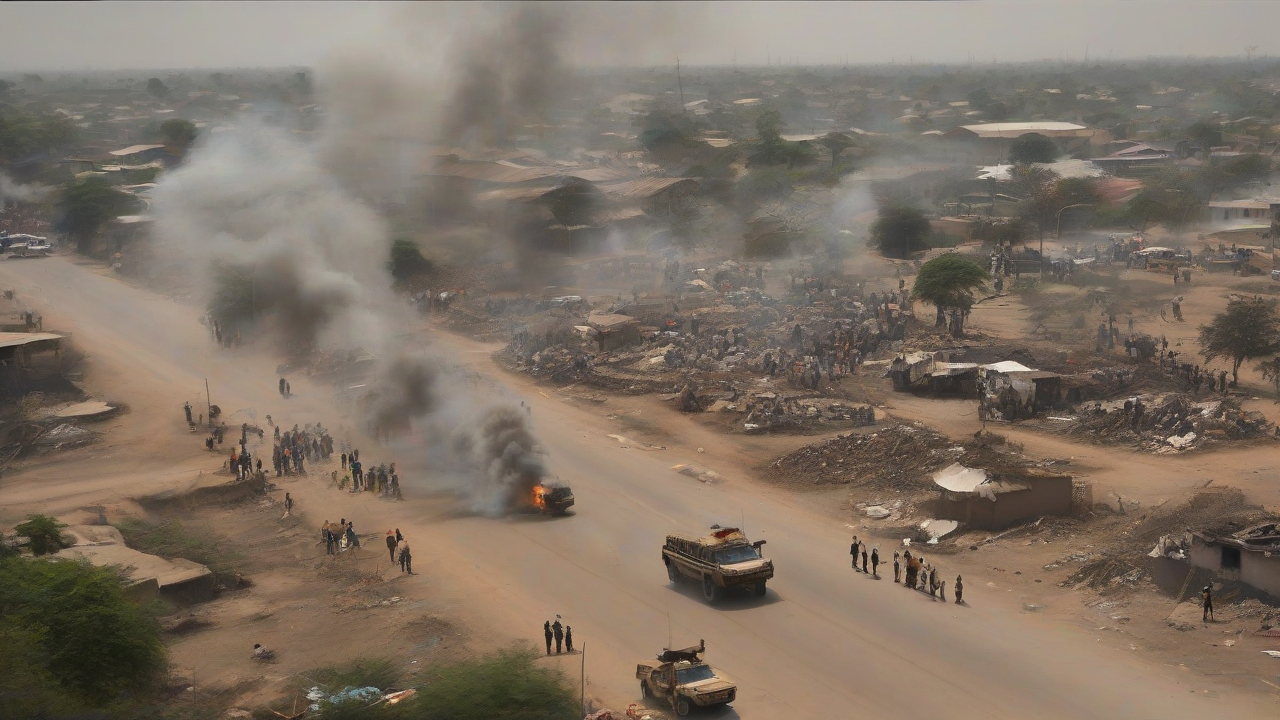
The conflict has already resulted in significant humanitarian consequences, with the World Health Organization (WHO) reporting that a strike on a primary healthcare center in Lebanon has resulted in the deaths of 12 people, as stated by WHO chief Tedros. This incident highlights the risks faced by civilians in the conflict zone and underscores the need for all parties to exercise restraint and adhere to international humanitarian law.
Military Operations
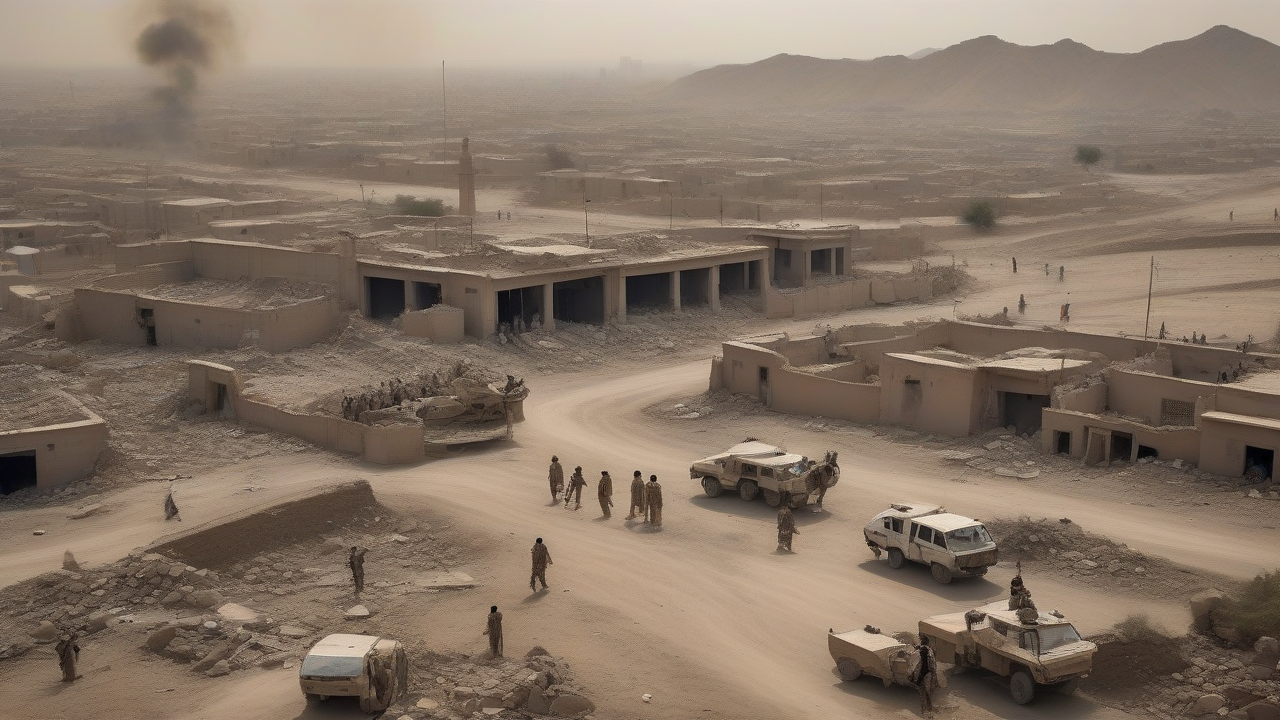
The IDF has begun a “targeted ground operation” in southern Lebanon, aimed at expanding a buffer zone against Hezbollah, as reported by The Times of Israel. This move is seen as an attempt to prevent Hezbollah from launching attacks against Israel from the region. However, analysts note that such operations carry significant risks, including the potential for civilian casualties and the escalation of the conflict.
Impact and Implications
The current escalation has significant implications for the region and beyond. The conflict has the potential to draw in other countries, including Iran, which has been accused of providing support to Hezbollah. According to Bloomberg, the Israeli Army has advanced in southern Lebanon, which could lead to further clashes with Hezbollah fighters. The situation is being closely monitored by international observers, who are urging all parties to exercise restraint and seek a peaceful resolution to the conflict.
What to Watch Next
As the situation continues to unfold, several key developments will be worth watching. The international community will be closely monitoring the situation, with the United Nations and other organizations likely to play a key role in efforts to broker a ceasefire. Additionally, the responses of regional players, including Iran and other countries, will be crucial in determining the trajectory of the conflict. As reported by sources, including Reuters, the situation remains highly volatile, and further developments are expected in the coming days.

Reader Comments