
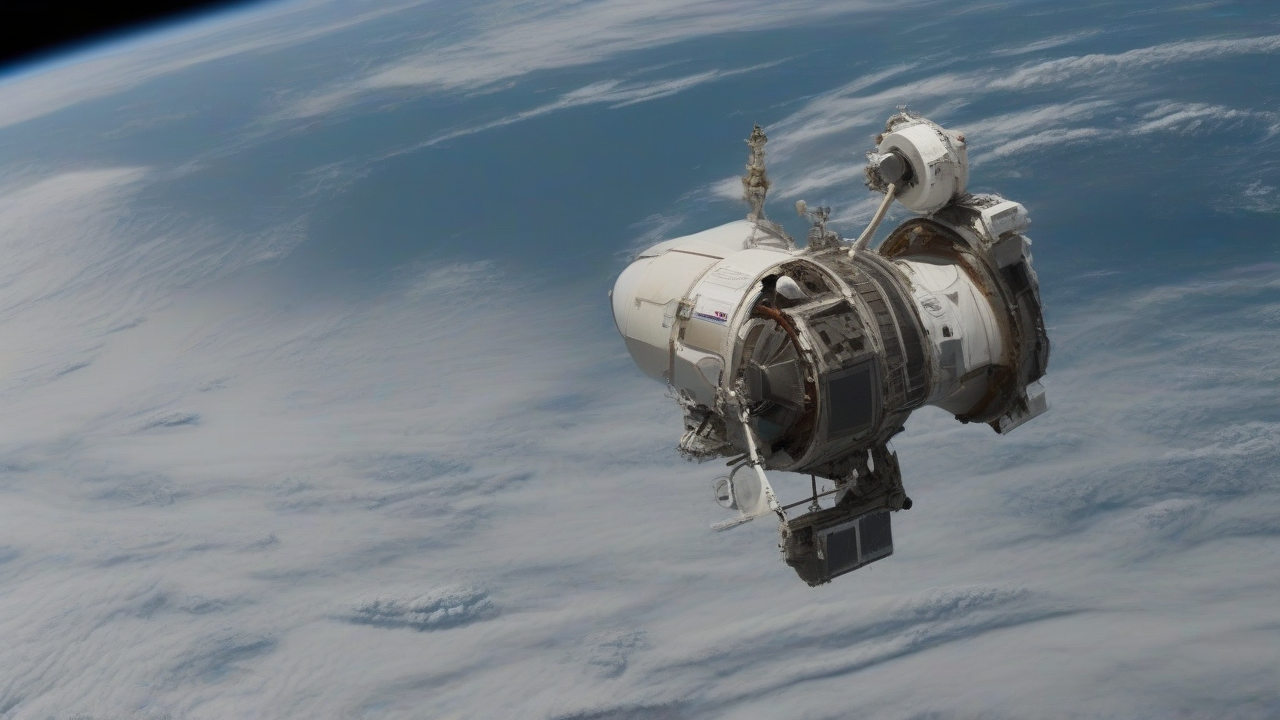
Re-Entry of NASA Spacecraft Sparks Interest and Concern
A significant event in the space community has unfolded, as a NASA spacecraft weighing approximately 1,300 pounds has re-entered Earth’s atmosphere, according to reports from NASA. This development has garnered attention not only for its scientific implications but also for the potential risks associated with the re-entry of spacecraft components.
Background and Implications
The Van Allen Probe, as it is known, was expected to largely disintegrate upon re-entry, with the majority of its components burning up in the atmosphere. However, NASA has acknowledged that there is a low risk of surviving parts potentially striking the ground and affecting populated areas. This scenario highlights the complexities and challenges inherent in space exploration, particularly when it comes to the safe disposal of spacecraft at the end of their operational lifetimes.
Expert Analysis and Observations
Analysts note that the re-entry of spacecraft like the Van Allen Probe into Earth’s atmosphere is a relatively common occurrence, given the vast number of satellites and probes that have been launched into space over the decades. Observers point out that while the risk to the public is considered low, such events serve as reminders of the importance of carefully planning and executing the disposal of spacecraft to minimize potential hazards. The move signals a growing need for more sophisticated and safe methods of disposing of space debris, as the volume of human-made objects in orbit around Earth continues to increase.
Impact and Concerns
The potential impact of spacecraft re-entry on the environment and human populations is a concern that affects not just the scientific community but also the general public. As reported by the BBC World, the re-entry of the Van Allen Probe has sparked interest in understanding the measures in place to mitigate risks associated with falling spacecraft components. Sources indicate that NASA and other space agencies around the world are working diligently to develop and implement guidelines and technologies that can reduce the risks associated with the re-entry of spacecraft.
Looking Ahead
As the space industry continues to evolve, with more launches and missions being planned, the issue of safe spacecraft disposal will become increasingly important. Upcoming developments in this area include the implementation of new guidelines for spacecraft design and disposal, as well as the development of technologies aimed at reducing the amount of debris in Earth’s orbit. According to NASA, future missions will prioritize the safe return of spacecraft components to Earth, minimizing the risk of damage or injury. With several key decisions and deadlines approaching in the coming months, stakeholders and the public will be watching closely to see how these challenges are addressed.
Conclusion and Next Steps
The re-entry of the Van Allen Probe into Earth’s atmosphere serves as a poignant reminder of the ongoing challenges and responsibilities associated with space exploration. As the world looks to the future of space travel and research, ensuring the safe and responsible management of spacecraft throughout their lifecycles will be paramount. With NASA and other agencies at the forefront of these efforts, the coming years will be critical in shaping the protocols and technologies that will guide the industry forward.

Reader Comments