
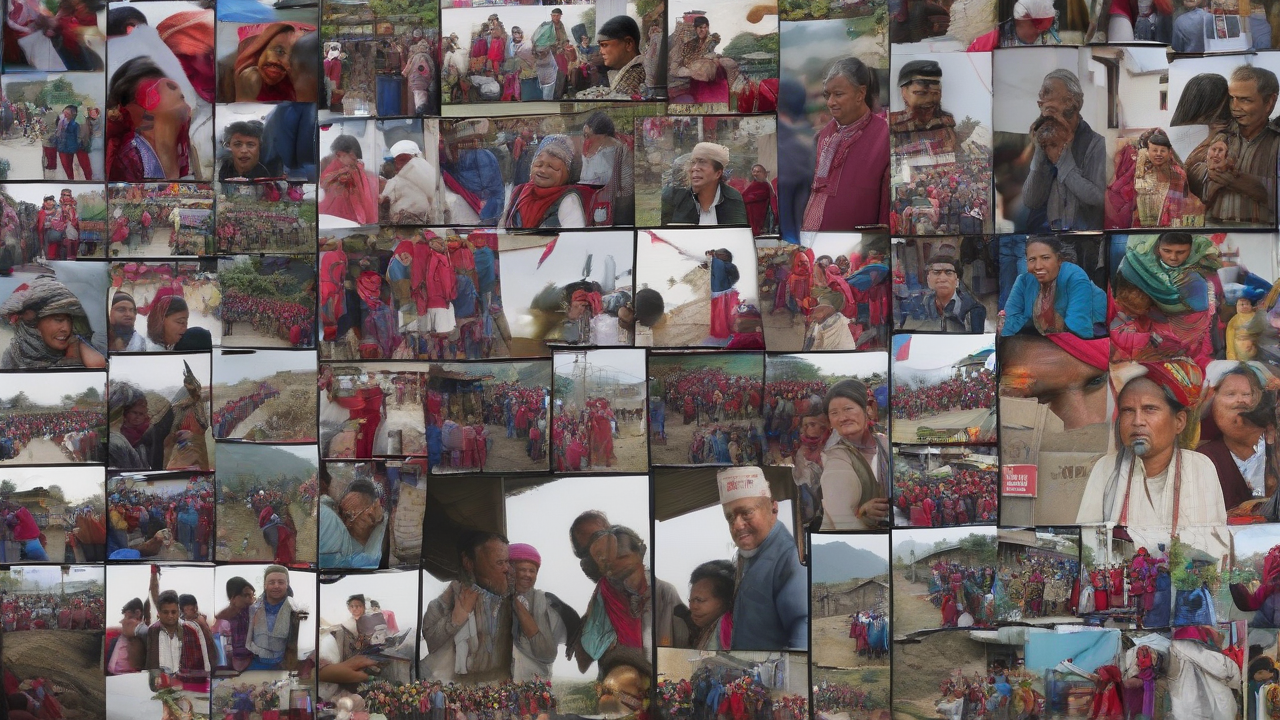
Nepal Election Outcome Signals Shift in Political Landscape
In a significant development, the Rastriya Swatatantra Party, led by rapper-turned-politician Balendra Shah, has emerged victorious in the recent Nepal election, securing a substantial majority. According to reports from BBC World, this outcome is particularly noteworthy given the election’s focus on pressing issues such as corruption, which has been a longstanding concern for the Nepalese populace.
Context and Implications
Analysts note that the Rastriya Swatatantra Party’s victory may indicate a desire among Nepalese voters for change and a commitment to addressing the country’s deep-seated problems, including corruption. Observers point out that corruption has been a major obstacle to Nepal’s development, undermining trust in institutions and hindering economic progress. The move signals a potential shift in the country’s political landscape, with voters opting for a party that has campaigned on promises of reform and accountability.
Expert Analysis
As reported by BBC World, the election was marked by a strong showing from the Rastriya Swatatantra Party, which campaigned on a platform of anti-corruption and good governance. Experts suggest that the party’s success can be attributed to its ability to tap into the frustrations of the Nepalese people, who have grown weary of the corruption and inefficiency that has plagued the country’s political system. The party’s leader, Balendra Shah, a former rapper, has been credited with bringing a fresh perspective to Nepalese politics, and his party’s victory is seen as a testament to his appeal and charisma.
Impact on the Nepalese People
The outcome of the election is likely to have a significant impact on the daily lives of the Nepalese people. With the Rastriya Swatatantra Party at the helm, citizens can expect a renewed focus on addressing corruption and promoting good governance. This, in turn, may lead to improved public services, increased transparency, and a more accountable government. However, observers caution that the road ahead will be challenging, and the party will need to work tirelessly to deliver on its promises and meet the expectations of the electorate.
Looking Ahead
As the Rastriya Swatatantra Party begins its tenure, all eyes will be on the new government to see how it will tackle the complex issues that have plagued Nepal for so long. According to sources, the party has already begun outlining its plans for reform, which are expected to include measures to increase transparency, reduce corruption, and promote economic development. As reported by BBC World, the international community will be watching with interest to see how the new government navigates the challenges ahead, and whether it can deliver on its promises to bring about meaningful change to Nepal. The next few months will be crucial in determining the success of the Rastriya Swatatantra Party’s agenda, and the future of Nepalese politics.

Reader Comments