
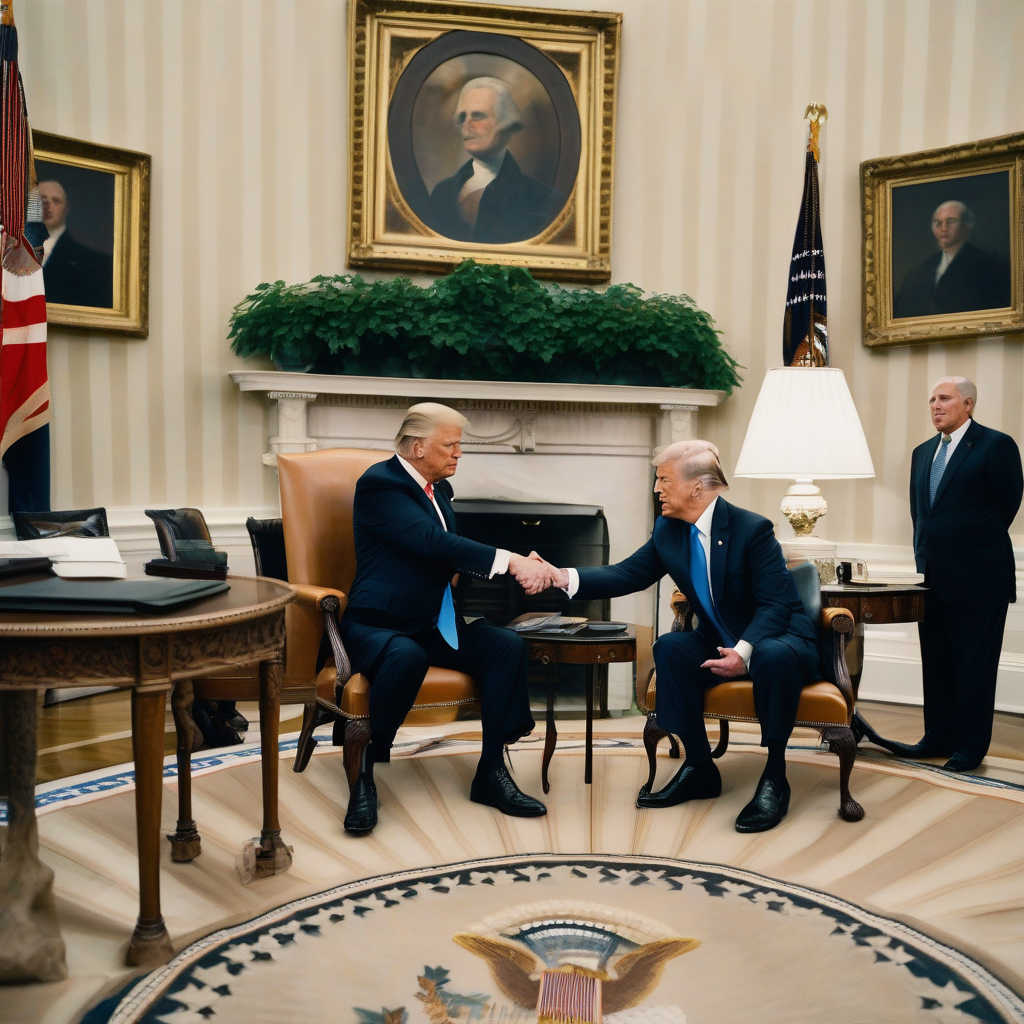
High-Stakes Washington Summit
Israeli Prime Minister Benjamin Netanyahu arrived in Washington for meetings with President Donald Trump, placing Iran’s ballistic missile capabilities and nuclear ambitions at the center of a high-stakes diplomatic agenda. The visit comes at a critical juncture in Middle Eastern geopolitics, with the administration pursuing both diplomatic and military tracks in its approach to Tehran.
The two leaders have a long history of alignment on Iran policy, and the meeting is expected to reinforce a coordinated approach to constraining Iran’s nuclear program.
Nuclear Concerns Front and Center
Iran’s nuclear capabilities have emerged as the dominant issue in the bilateral discussions. Intelligence assessments suggest that Iran has continued to advance its uranium enrichment capabilities, bringing it closer to weapons-grade material than at any point in the country’s history.
Netanyahu has long warned that a nuclear-armed Iran represents an existential threat to Israel and has advocated for a combination of maximum pressure and credible military deterrence. The Trump administration shares this assessment, though the two sides may differ on the specifics of how to prevent Iran from crossing the nuclear threshold.
Ballistic Missile Dimension
Beyond the nuclear question, Iran’s rapidly expanding ballistic missile arsenal has become a major point of concern. Tehran has developed missiles capable of reaching Israel and American bases across the Middle East, and has demonstrated willingness to supply missile technology to proxy forces across the region.
The discussions are expected to address both the missile threat itself and potential responses, including expanded missile defense cooperation and sanctions targeting Iran’s procurement networks.
Diplomatic Context
The Netanyahu visit coincides with the administration’s dispatch of a second aircraft carrier strike group to the Middle East — a show of force that provides a powerful backdrop to diplomatic discussions. Secretary of State Rubio has emphasized that the administration prefers a diplomatic resolution but has kept military options explicitly on the table.
For Netanyahu, the meeting serves both strategic and domestic purposes, demonstrating Israel’s close relationship with its most important ally at a time of heightened regional tension, as reported by NPR.
What to Watch
The coming weeks will reveal whether the Washington summit produces concrete policy outcomes or remains a symbolic reaffirmation of the U.S.-Israel alliance. The parallel diplomatic outreach to Iran, combined with military posturing, suggests the administration is pursuing a high-pressure strategy designed to force Tehran into meaningful negotiations.


Reader Comments