
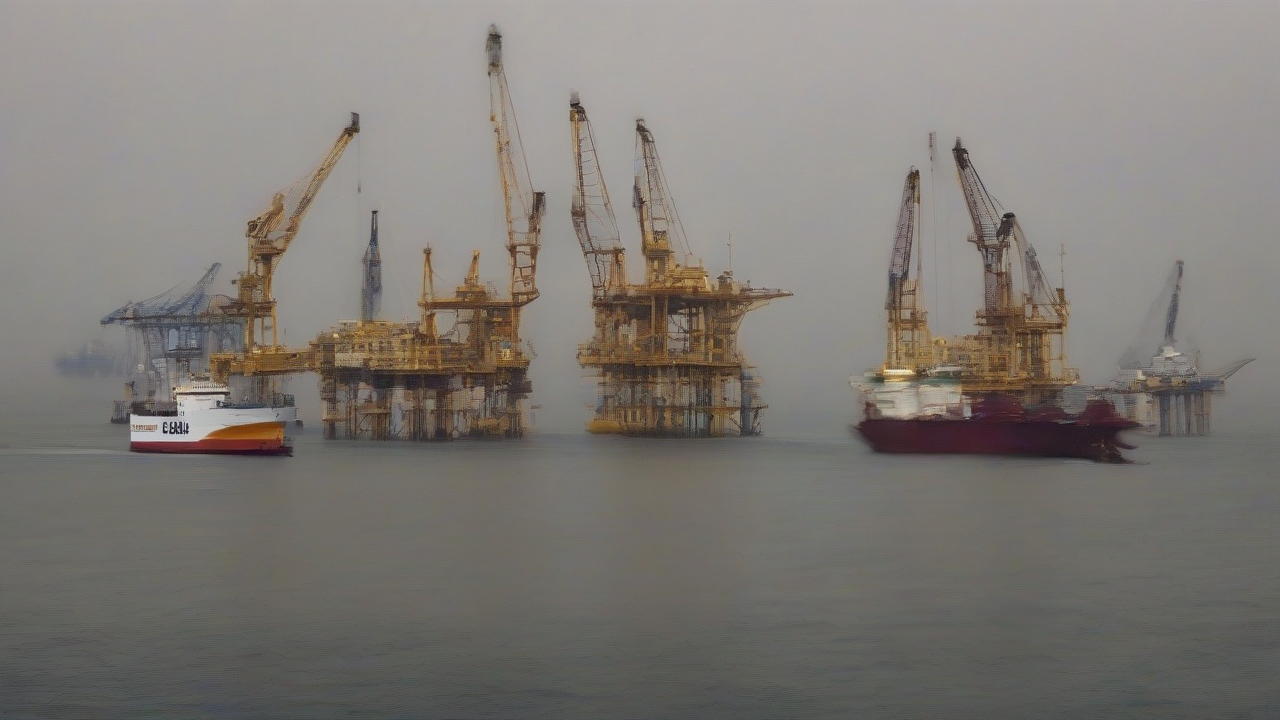
Global Oil Markets Face Uncertainty as Strait of Hormuz Closure Looms
The potential closure of the Strait of Hormuz, a vital waterway connecting the Persian Gulf to the Arabian Sea, has sent shockwaves through global oil markets, according to reports from Reuters and other sources. This strategic chokepoint is responsible for the transit of approximately 20% of the world’s oil supply, making its closure a significant threat to global energy security.
Implications of the Closure
Analysts note that the closure of the Strait of Hormuz would have far-reaching consequences, including a substantial increase in oil prices and potential shortages in certain regions. As reported by Bloomberg, the conflict in the Middle East has already led to a reduction in liquefied natural gas (LNG) supply, intensifying the global hunt for alternative energy sources. Europe, in particular, may be facing an energy crisis similar to the one triggered by the Ukraine conflict, as highlighted by Fortune.
Historical Context and Legality
The Strait of Hormuz has been a point of contention in the past, with Iran using its control over the waterway to exert pressure on the global oil market. The Guardian has published a visual guide illustrating how Iran has utilized the strait to throttle oil and gas supplies. Meanwhile, the European Journal of International Law (EJIL) has examined the legality of Iran’s closure of the Strait of Hormuz, raising important questions about the implications of such actions under international law.
Impact on Global Energy Security
The potential closure of the Strait of Hormuz affects not only the global oil supply but also has significant implications for regional and global energy security. Observers point out that the closure would lead to a substantial increase in oil prices, which would have a ripple effect on the global economy. According to sources, this could lead to increased costs for consumers, businesses, and industries that rely heavily on oil and gas.
What to Watch Next
As the situation continues to unfold, experts are closely monitoring the developments in the region. The international community is likely to respond to the closure of the Strait of Hormuz, with potential diplomatic efforts to resolve the conflict and ensure the free flow of oil through the waterway. In the coming weeks and months, it is essential to watch for updates on the conflict, as well as any announcements from major oil-producing countries and international organizations regarding measures to mitigate the impact of the closure on global energy markets. As reported by Reuters, the situation remains fluid, and any developments will be closely watched by markets and policymakers alike.


Reader Comments