

Rising Tensions in the Middle East
The recent surge in attacks on oil tankers in the Strait of Hormuz has led to a significant increase in oil prices, with Brent crude briefly reaching $100 a barrel, according to reports from the Boston Herald. This development has sparked concerns about the potential disruption to global oil supplies and has put pressure on the Trump administration’s plans for the region. As reported by Axios, the Iranian oil squeeze is testing the administration’s war plans, with the situation being closely monitored by observers and analysts.
A Delicate Balance of Power
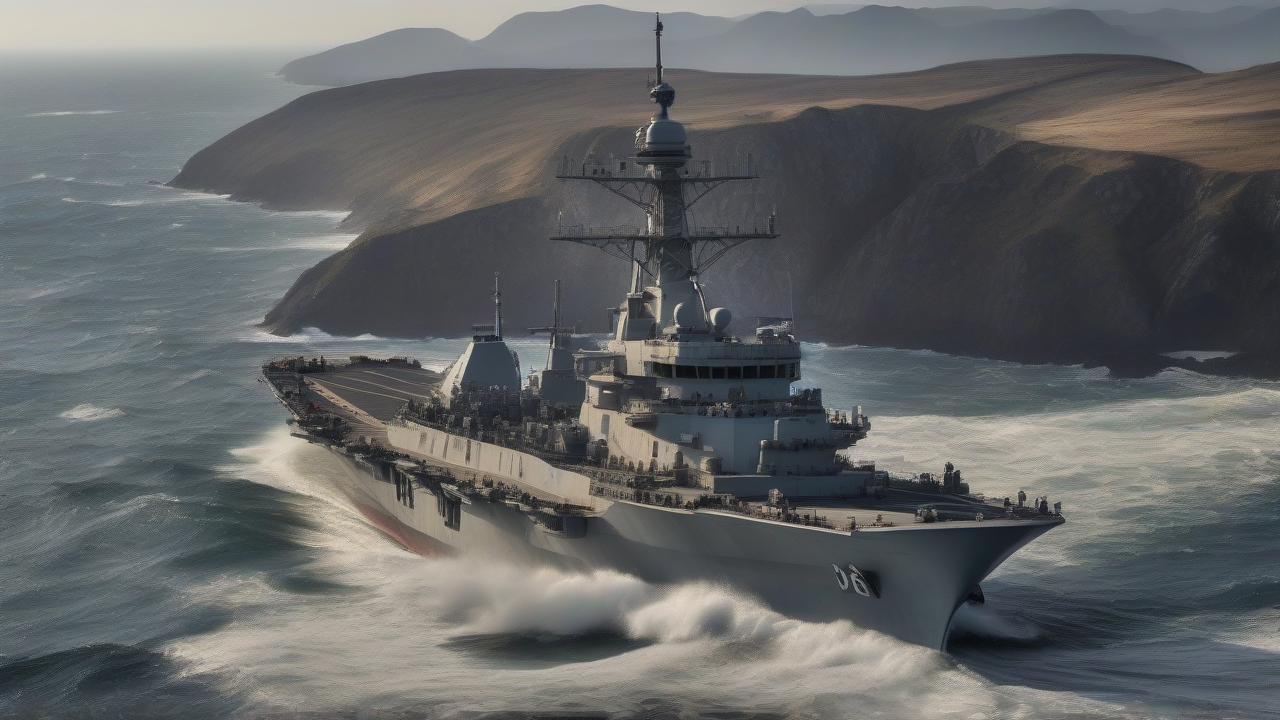
Analysts note that the situation in the Middle East is complex and sensitive, with the US and Iran engaging in a war of words and actions. The Strait of Hormuz, a critical waterway for oil exports, has become a focal point of the tensions, with Iran laying mines in the area, as reported by the Wall Street Journal. This move has triggered a response from the US, which has vowed to protect its interests and ensure the safe passage of oil tankers. Observers point out that the situation is fraught with risks, and any miscalculation could lead to a wider conflict.
Global Implications
The impact of the rising tensions in the Middle East is being felt globally, with oil prices increasing and concerns about supply disruptions growing. According to the New York Times, the global release of oil reserves has not been enough to calm the markets, and prices continue to push higher. This has significant implications for the global economy, with higher oil prices potentially leading to increased inflation and slower economic growth. Analysts note that the situation is being closely watched by investors and policymakers, who are waiting to see how the situation will unfold.
Humanitarian Concerns
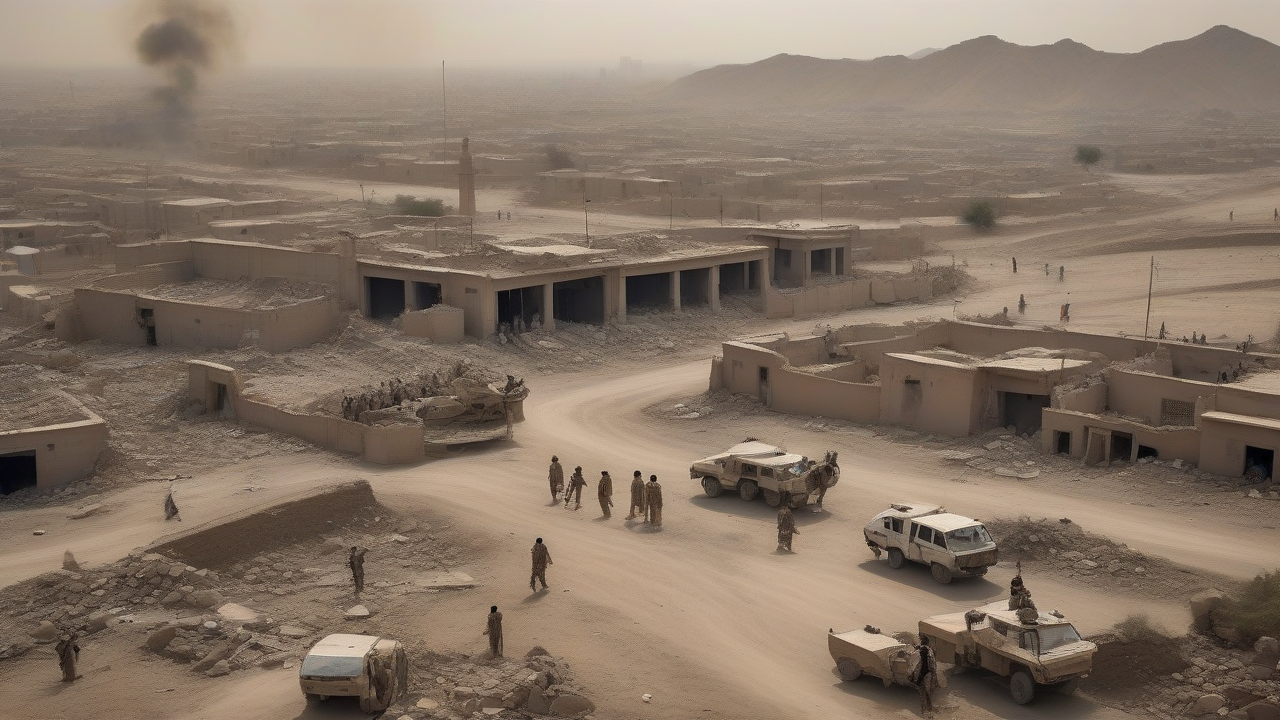
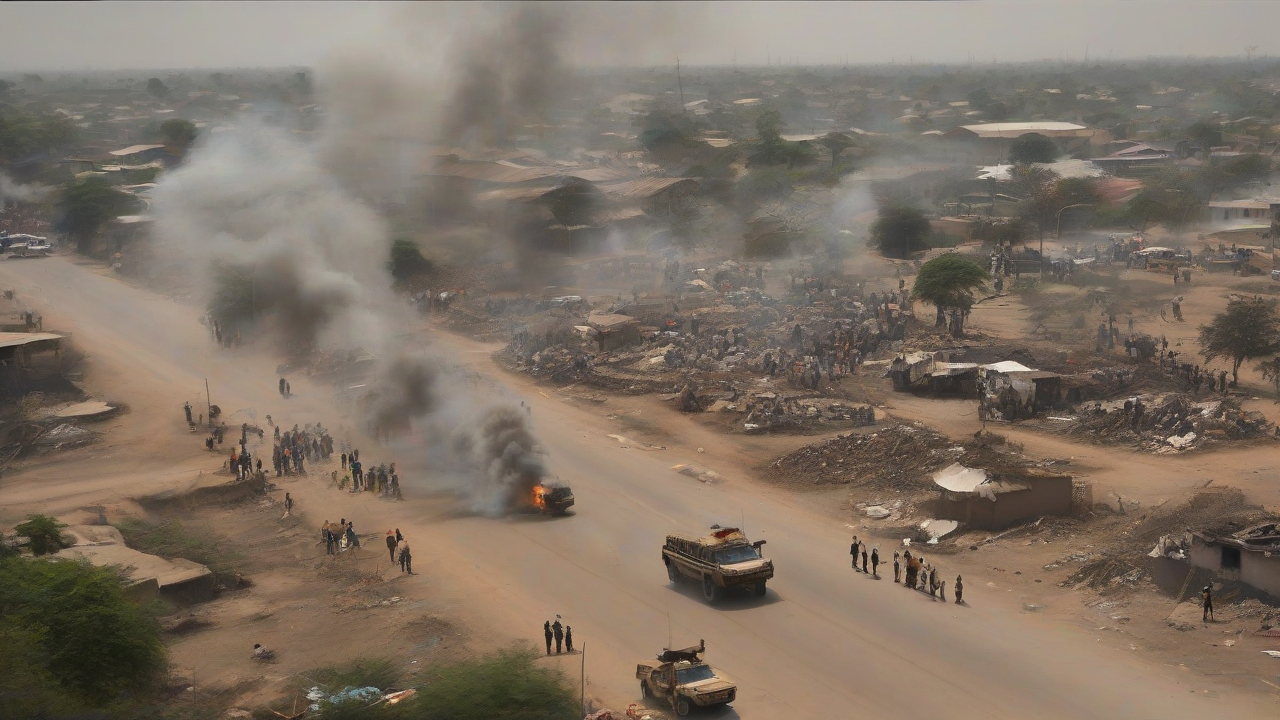
The situation in the Middle East is not just about oil prices and geopolitics; it also has significant humanitarian implications. The conflict has the potential to disrupt the lives of millions of people, with the possibility of increased violence, displacement, and suffering. Observers point out that the international community needs to be aware of these risks and work towards finding a peaceful resolution to the conflict. As reported by NBC News, the situation is being closely monitored by humanitarian organizations, which are preparing for the worst.
What’s Next
As the situation in the Middle East continues to unfold, observers are waiting to see how the US and Iran will respond to the current tensions. According to sources, the US is considering its options, including the possibility of military action. However, analysts note that any military intervention would carry significant risks and could lead to a wider conflict. The international community is watching the situation closely, and the next few days will be critical in determining the course of events. As reported by the Wall Street Journal, the situation is fluid, and any developments will be closely monitored by policymakers and observers alike.
Reader Comments