
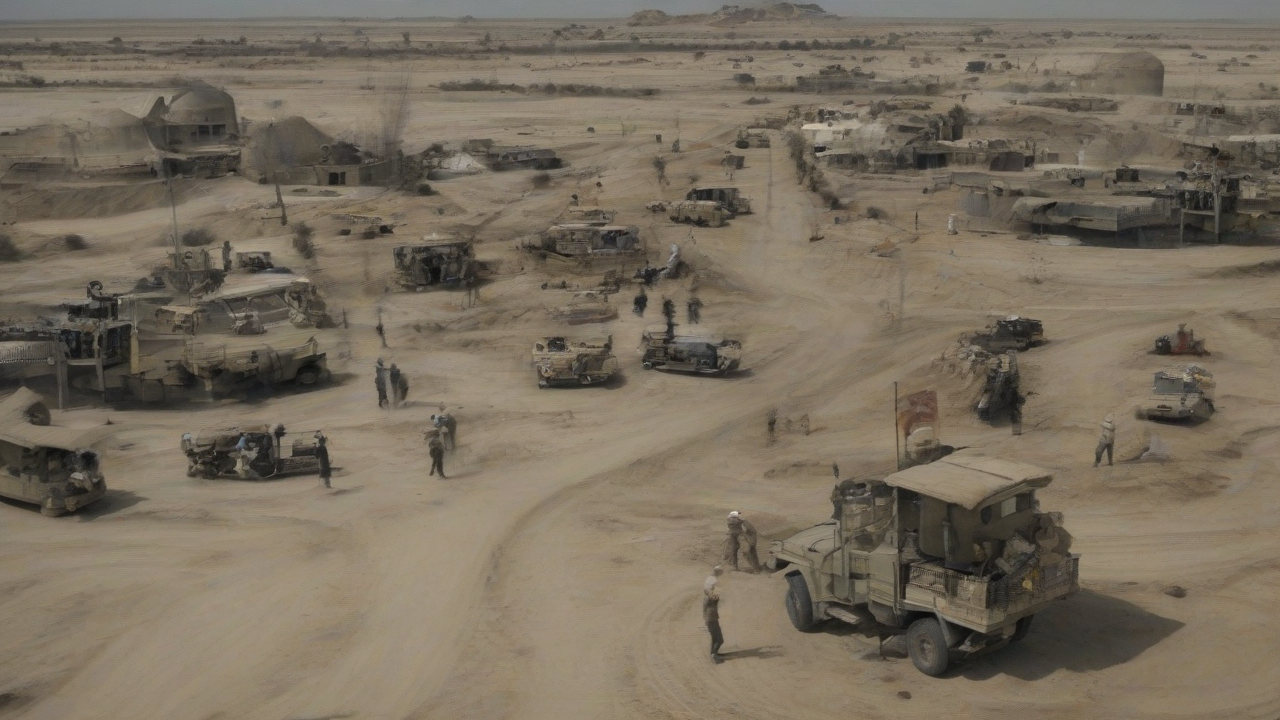
Escalating Conflict in the Middle East
The price of oil has surged back to $100 per barrel, according to the Financial Times, as the conflict in the Middle East continues to intensify. This development comes after a series of ship attacks in the Gulf, which have raised concerns about the stability of global oil supplies. As reported by the BBC, Israel has launched new strikes in Lebanon, further escalating the situation.
Background and Implications
Analysts note that the ongoing war between the US, Israel, and Iran has significant implications for the global economy and energy markets. The conflict, now in its 13th day, has led to a surge in oil prices, which could have far-reaching consequences for consumers and businesses worldwide. Observers point out that the release of oil reserves by the International Energy Agency (IEA), as reported by Al Jazeera, may help to mitigate the impact of the price increase, but the situation remains volatile.
Humanitarian Crisis
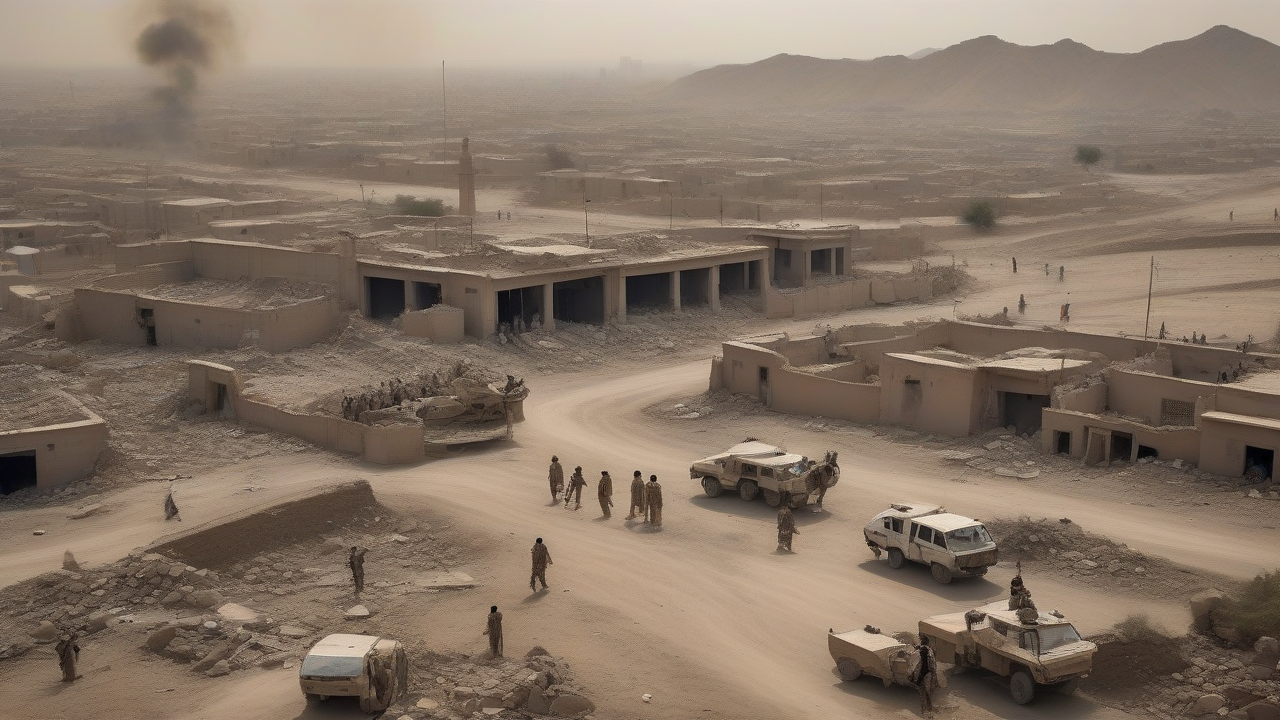
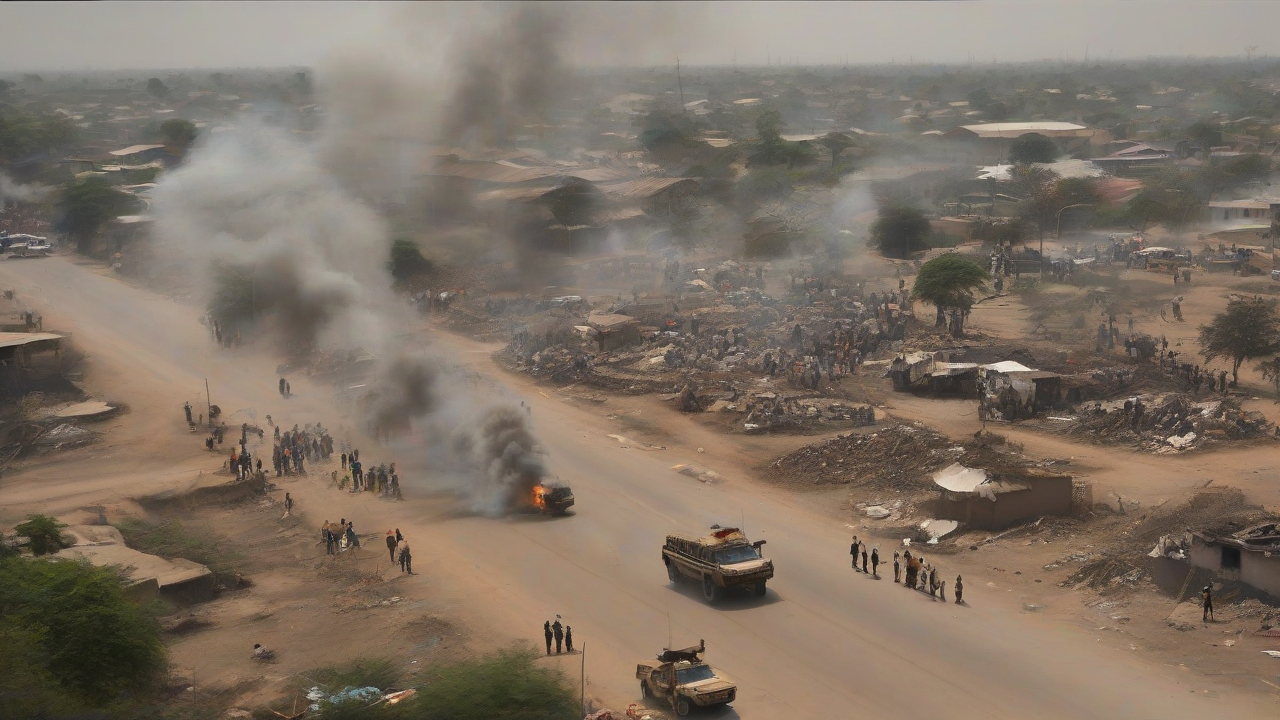
The conflict has also resulted in a humanitarian crisis, with civilians caught in the crossfire. The New York Times reports that Israel has bombarded the Lebanese capital, causing widespread damage and displacement. The situation on the ground is dire, with many people in need of urgent assistance. According to CNN, the US and Israel’s war with Iran has led to a significant escalation of violence in the region, with no end in sight.
Economic Impact
The economic impact of the conflict is already being felt, with oil prices soaring and trade disrupted. As reported by the Financial Times, the price of oil has increased significantly, which could lead to higher fuel costs and inflation. This, in turn, could have a ripple effect on the global economy, affecting businesses and consumers alike. Analysts note that the situation is being closely watched by investors and policymakers, who are bracing for potential economic fallout.
What’s Next
As the situation continues to unfold, all eyes are on the next moves by the parties involved. The IEA’s decision to release oil reserves is seen as a positive step, but more needs to be done to address the crisis. According to sources, diplomatic efforts are underway to try to broker a peace deal, but a resolution to the conflict remains elusive. In the coming days, observers will be watching for any signs of escalation or de-escalation, as well as the impact of the conflict on global energy markets and the economy.
Regional Stability
The conflict has also raised concerns about regional stability, with many countries in the Middle East watching the situation closely. As reported by the BBC, the ship attacks in the Gulf have intensified, which could have significant implications for trade and navigation in the region. Analysts note that the situation is complex and multifaceted, with many different players and interests involved. The move by Israel to launch new strikes in Lebanon has further complicated the situation, and it remains to be seen how the conflict will play out in the coming days and weeks.
Global Response
The international community is calling for calm and restraint, with many countries urging a peaceful resolution to the conflict. According to Al Jazeera, the United Nations has issued a statement expressing concern about the situation and calling for an end to hostilities. The global response to the conflict will be closely watched, as diplomats and leaders work to try to find a way to bring peace to the region. As the situation continues to unfold, one thing is clear: the conflict in the Middle East has significant implications for global stability and security.

Reader Comments