
A New Era in the Vatican
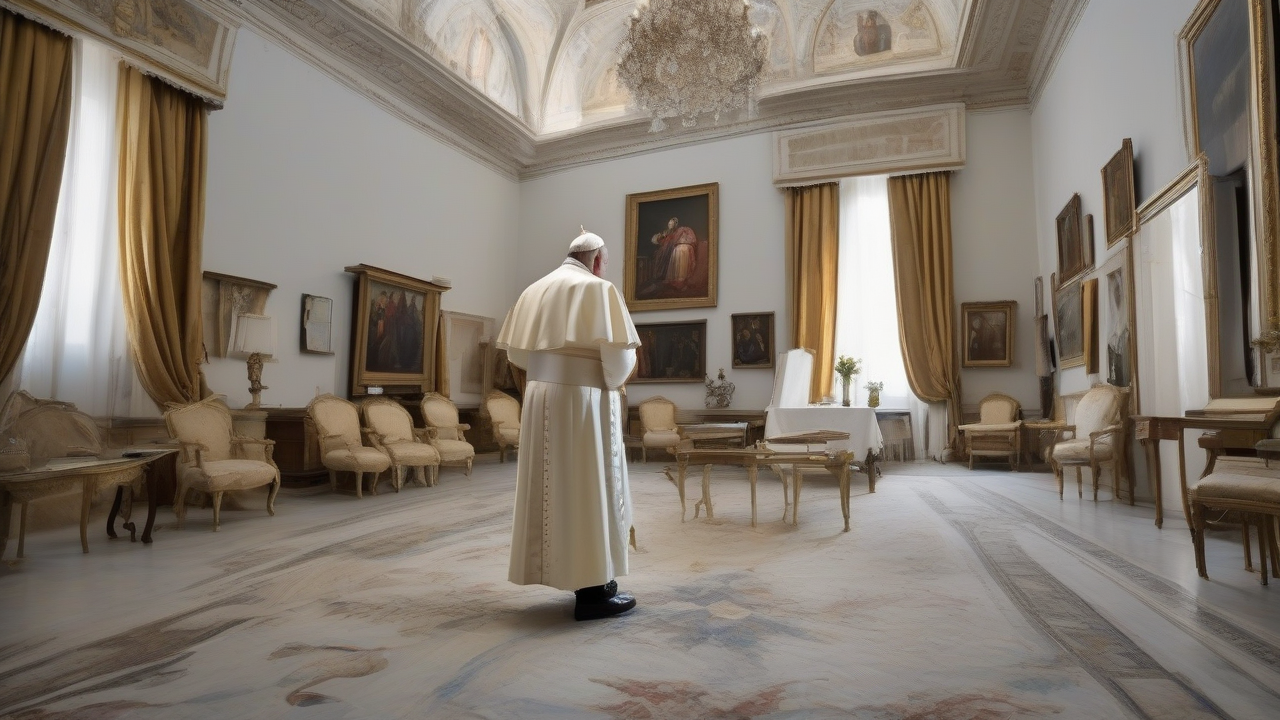
In a significant move, Pope Leo XIV has taken up residence in the papal apartment within the Apostolic Palace, a decision that marks a departure from the choices of his predecessor, Pope Francis. According to Vatican News, this shift comes after a thorough renovation of the apartment, which had been previously eschewed by Pope Francis in favor of more modest accommodations.
Historical Context and Implications
Observers point out that the decision by Pope Leo XIV to occupy the papal apartment signals a potential return to traditional practices within the Vatican. Analysts note that this move could have broader implications for the direction of the Catholic Church under Pope Leo’s leadership. The Apostolic Palace, with its rich history and symbolic significance, serves as the official residence of the Pope and is a key location for various Vatican activities and ceremonies.
Renovation and Restoration
The renovation of the papal apartment, as reported by abcnews.com, underscores the Vatican’s commitment to preserving its historical and architectural heritage. This effort not only ensures the maintenance of the physical structure but also reflects the evolving needs and preferences of the Papacy. Experts suggest that such renovations are crucial for balancing the preservation of tradition with the adaptation to modern requirements.
Impact on Vatican Dynamics
The move by Pope Leo XIV into the Apostolic Palace is expected to have a ripple effect on the dynamics within the Vatican. As noted by the National Catholic Register, the Vatican awaits Pope Leo’s next moves with keen interest, speculating about the potential shifts in policy, doctrine, or administrative practices that his tenure might bring. This anticipation highlights the significant role the Pope plays in guiding the Catholic Church and its worldwide community.
Comparison with Predecessor
In contrast to Pope Francis, who opted for simpler living arrangements, Pope Leo XIV’s decision to reside in the papal apartment may indicate a different approach to papal visibility and engagement with tradition. While Pope Francis’s choice was seen as a gesture of humility and austerity, Pope Leo’s move could be interpreted as a reemphasis on the symbolic and ceremonial aspects of the Papacy. Analysts will be watching closely to see how this decision influences the Pope’s interaction with the global Catholic community and other religious leaders.
Looking Ahead
As Pope Leo XIV settles into his new residence, all eyes are on the Vatican for signs of what his papacy will entail. Upcoming events and announcements will be scrutinized for clues about his priorities and vision for the Catholic Church. According to EWTN News, the move into the Apostolic Palace is just the beginning, with many expecting significant developments in the coming months. The global Catholic community, along with observers and analysts, will be closely following Pope Leo’s next steps, seeking insight into the future direction of the Church under his leadership.
Conclusion
Pope Leo XIV’s occupation of the papal apartment in the Apostolic Palace marks a notable moment in the history of the Catholic Church, signaling potential shifts in tradition, policy, and the Papacy’s engagement with the modern world. As the Vatican and the global community await further developments, the decision underscores the complex interplay between tradition, symbolism, and the evolving needs of the Church. Sources indicate that the coming period will be crucial in defining the character of Pope Leo’s papacy and its impact on the Catholic world.



Reader Comments