
Escalating Conflict in Lebanon Claims Innocent Lives
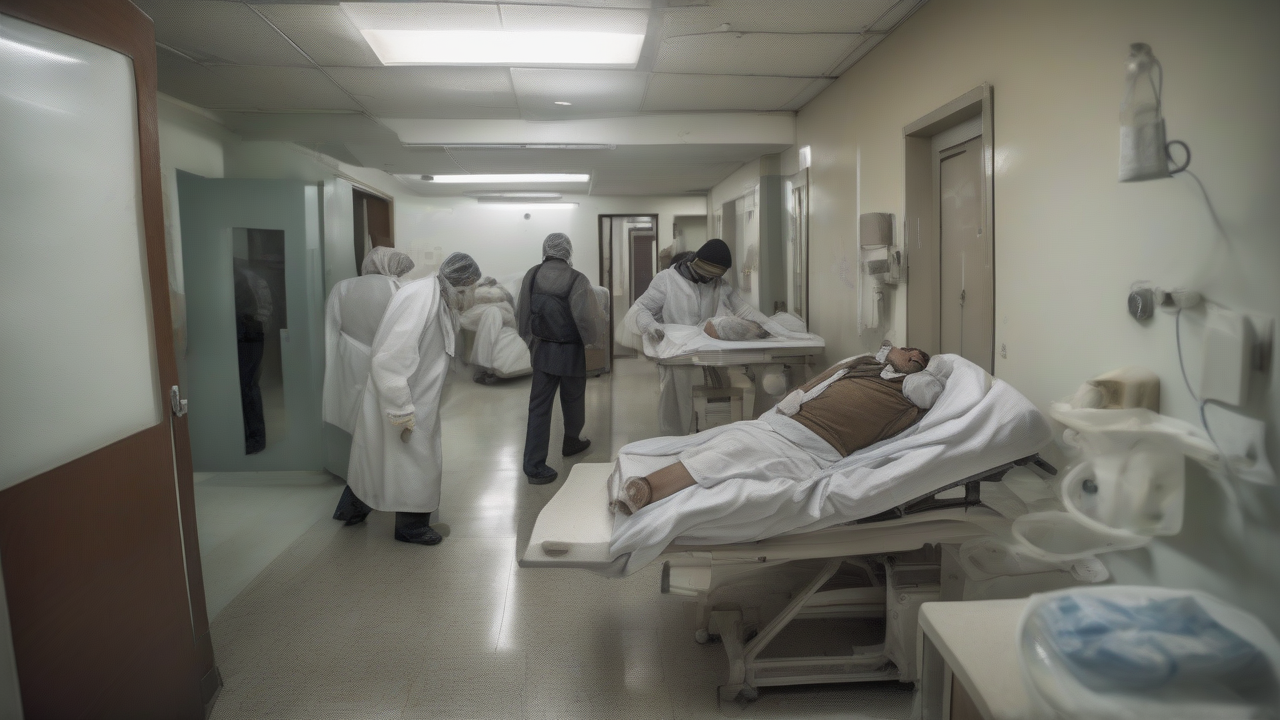
A devastating strike on a primary healthcare center in Lebanon has resulted in the deaths of 12 people, according to World Health Organization (WHO) chief Tedros, as reported by Reuters. This tragic incident underscores the dire humanitarian consequences of the ongoing conflict in the region. The situation in Lebanon continues to deteriorate, with various reports indicating a significant escalation of violence between Israel and Hezbollah, an Iranian-backed militant group.
Rising Tensions and Diplomatic Efforts
Observers point out that the current conflict is part of a broader, longstanding struggle between Israel and Hezbollah, with Iran’s influence in the region being a key factor. Analysts note that Israel’s actions are aimed at weakening Hezbollah’s grip on Lebanon, but the consequences of such actions are far-reaching and affect the civilian population disproportionately. As reported by CNN, Israel is seizing the moment to finish its fight against Hezbollah, while officials speaking to Axios indicate that a massive ground invasion of Lebanon is being planned. Despite the intense military activity, there are indications that diplomatic channels are being explored, with Haaretz reporting that Israel and Lebanon are set to engage in talks, according to Reuters.
Humanitarian Crisis Deepens
The impact of the conflict on medical workers and facilities is particularly alarming. Dozens of medical workers have been killed in strikes, as highlighted by The New York Times, pointing to a severe crisis in the healthcare sector. This not only affects the immediate victims but also compromises the ability of the healthcare system to respond to the needs of the population, exacerbating the humanitarian crisis. Experts emphasize that attacks on healthcare facilities and workers are a grave violation of international humanitarian law and can have long-lasting effects on the health and well-being of affected communities.
Why It Matters
The situation in Lebanon is a stark reminder of the devastating consequences of prolonged conflict and the importance of protecting civilians and critical infrastructure, such as healthcare facilities. The international community is watching with concern, as the escalation of violence threatens to destabilize the region further. Analysts suggest that a peaceful resolution to the conflict is imperative to prevent more innocent lives from being lost and to address the underlying issues that fuel the violence.
Looking Ahead
As the conflict continues to unfold, the world waits with bated breath for the outcome of the planned diplomatic talks between Israel and Lebanon. The success of these talks could be a crucial step towards de-escalation and finding a path towards peace. However, with Israel’s reported plans for a massive ground invasion, the situation remains highly volatile. The international community, including organizations like the WHO, will be closely monitoring the situation, advocating for the protection of civilians and the respect for international law. The coming days will be critical in determining the trajectory of the conflict and the future of the region. According to sources, the next round of talks is expected to take place soon, although exact dates have not been confirmed. As the situation develops, it will be essential to watch for any shifts in the stance of the parties involved and for signs of whether diplomacy can prevail over military action.

Reader Comments