
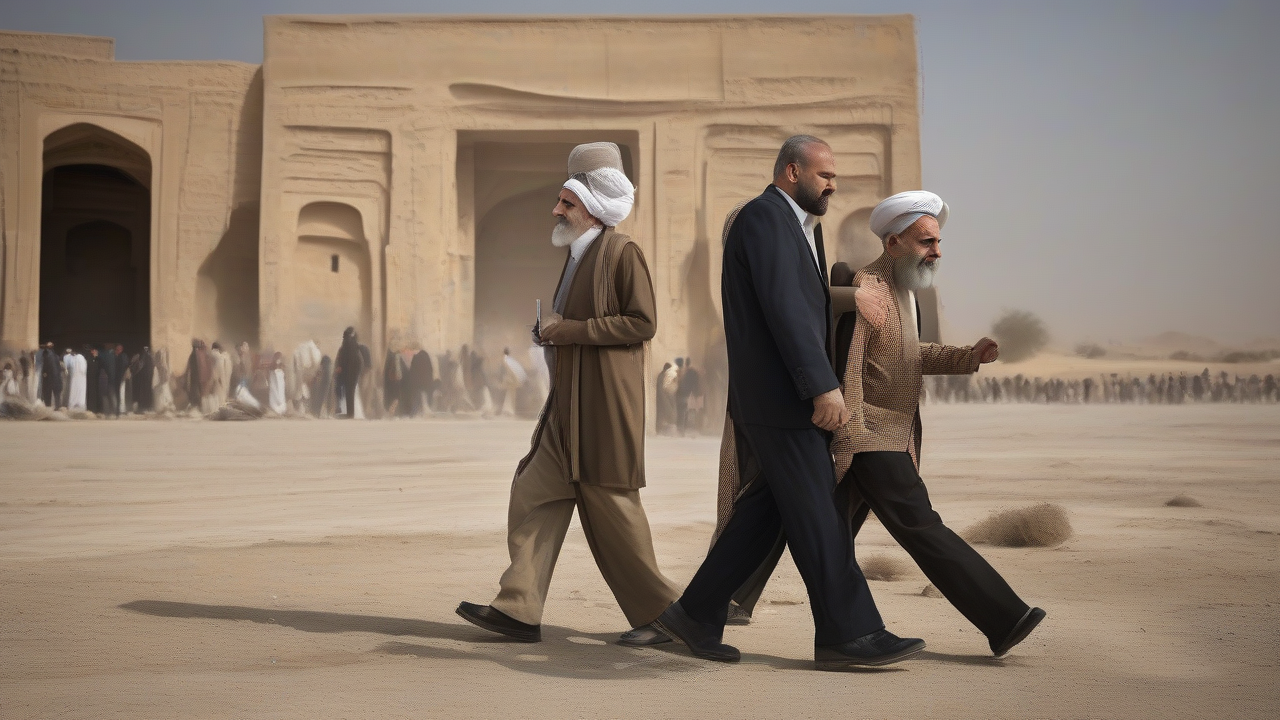
UK Leader’s Cautious Approach to Iran Conflict
In a significant development, UK Labour leader Keir Starmer has made it clear that the country will not be drawn into a wider conflict with Iran, as reported by Reuters and other news outlets. This stance comes amid heightened tensions in the region, particularly with regards to the Strait of Hormuz, a critical waterway for international oil trade. According to BBC, Starmer has emphasized that the UK is working closely with its allies to devise a plan aimed at reopening the Strait of Hormuz, which has been a focal point of contention.
Context and Implications
The situation in the Strait of Hormuz is complex, with Iran’s actions in the region having sparked concerns among global powers. Observers point out that the strait’s closure could have far-reaching implications for the global economy, given its strategic importance in the oil supply chain. Analysts note that any attempt to reopen the strait will require careful diplomacy and cooperation among nations involved. As Starmer cautioned, reopening the strait “isn’t going to be easy,” indicating the challenges that lie ahead in achieving this goal.
International Cooperation and Pressure
The UK’s approach to the situation reflects a broader international effort to address the crisis without escalating into a full-blown conflict. The Wall Street Journal has reported on the live updates of the Iran war news, highlighting the pressure from the U.S. on its allies to work towards reopening the Hormuz Strait. This international cooperation is seen as crucial in navigating the sensitive geopolitical landscape of the region. The Times has also covered Starmer’s statement, emphasizing Britain’s reluctance to be dragged into a wider war, a sentiment that resonates with the public’s desire for peaceful resolutions to international conflicts.
Impact and Stakes
The stakes are high, with the potential for the conflict to affect not just the regional stability but also have global economic repercussions. The move by the UK and its allies to reopen the Strait of Hormuz is seen as a critical step in preventing further escalation. As reported by Politico.eu, the challenges in achieving this goal are significant, but the alternative—allowing the situation to deteriorate further—could have more severe consequences. The impact on global oil prices and the subsequent effects on economies worldwide make the situation in the Strait of Hormuz a matter of international concern.
Looking Ahead
As the situation continues to unfold, observers will be watching closely for any developments in the diplomatic efforts to reopen the Strait of Hormuz. Upcoming decisions and actions by the UK, its allies, and other stakeholders in the region will be crucial in determining the trajectory of the conflict. According to sources, the next steps will involve intense diplomatic negotiations, and the success of these efforts will depend on the ability of the parties involved to find common ground and work towards a peaceful resolution. As the international community waits with bated breath, one thing is clear: the path forward will require careful navigation and a commitment to avoiding further conflict.
Reader Comments