
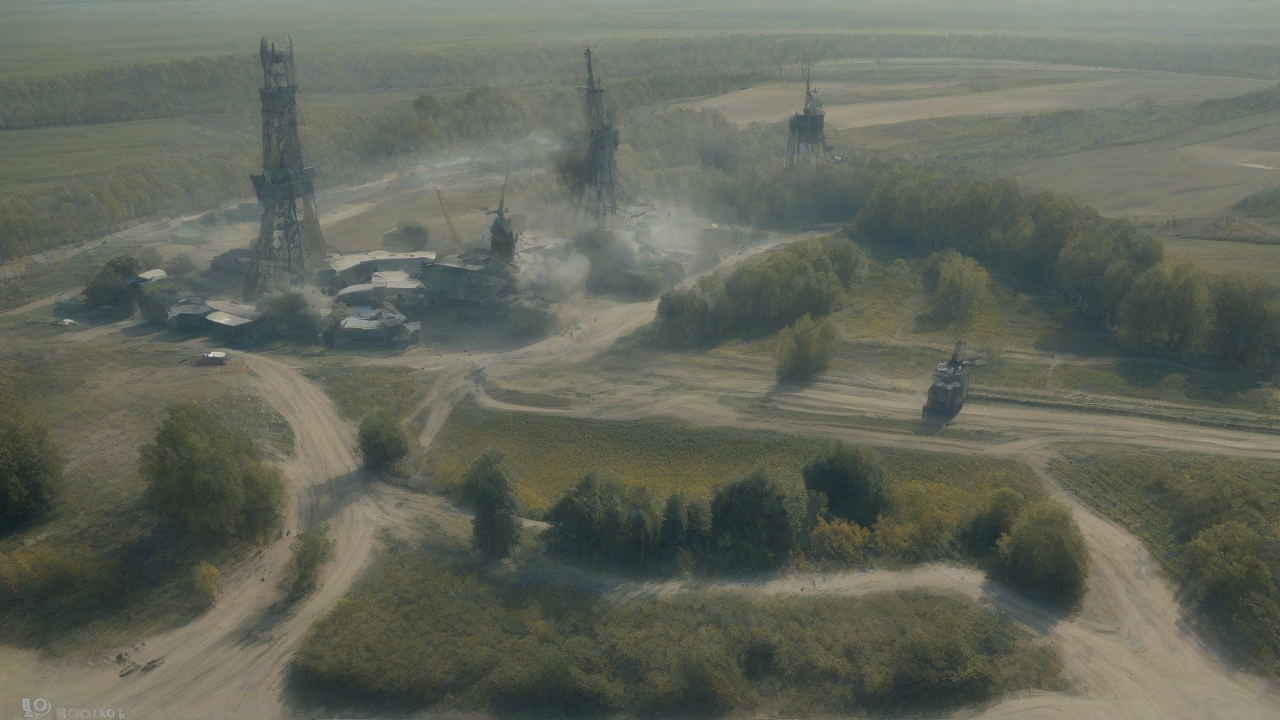
Tensions Escalate Over Oil Pipeline Dispute
In a stark warning, Ukrainian President Volodymyr Zelensky has accused European Union allies of “blackmail” in an ongoing row over the restoration of Russian oil flow through Ukraine into the EU. According to reports from BBC World, this development marks a significant escalation in tensions between Ukraine and its European counterparts.
Context of the Dispute
The dispute centers around the Druzhba oil pipeline, which has been a crucial conduit for Russian oil into Europe. However, the pipeline’s operation has been halted due to the ongoing conflict between Russia and Ukraine. Observers point out that the move to restore the pipeline’s operation is seen by some as a necessary step to alleviate Europe’s energy crisis, but it is vehemently opposed by Ukraine, which views it as tantamount to lifting sanctions on Russia. Analysts note that this stance underscores the complex geopolitical landscape of the region, where economic interests often collide with political and strategic considerations.
Implications of Restoring Oil Flow
Zelensky’s statement, as reported by BBC World, highlights the deep-seated concerns Ukraine has about the potential consequences of allowing Russian oil to flow freely into the EU once again. The move, according to Zelensky, would essentially undermine the sanctions imposed on Russia, potentially emboldening further aggression. This perspective is shared by many in Ukraine, who see the EU’s push for restoring the oil flow as a betrayal of their trust and a compromise of their national security. Experts emphasize that the situation is fraught with risks, not just for Ukraine but for the stability of the entire region.
Broader Geopolitical Implications
The row over the oil pipeline is not isolated but is part of a larger geopolitical struggle involving Russia, Ukraine, and the European Union. The conflict in Ukraine has led to a significant realignment of international relations, with the EU imposing stringent sanctions on Russia in response to its actions. However, the economic fallout of these sanctions, coupled with the energy crisis facing Europe, has created fissures within the EU regarding how to balance economic needs with political commitments to Ukraine. Sources indicate that finding a resolution to this dispute will require careful diplomacy and a deep understanding of the complex interplay between economic, political, and strategic interests.
Impact on Relations and Next Steps
The accusation of “blackmail” by President Zelensky signals a deterioration in relations between Ukraine and some of its EU allies. As reported by BBC World, this escalation could have far-reaching implications for cooperation on other fronts, including military aid and economic support. Looking ahead, observers are watching for how the EU will navigate this challenge, balancing the need to support Ukraine with the imperative to secure energy supplies. Upcoming diplomatic meetings and negotiations will be crucial in determining the path forward, with many awaiting the EU’s next move on the sanctions and the oil pipeline issue. According to analysts, the outcome of these negotiations will not only affect the immediate future of Ukraine and the EU but also have significant implications for global energy markets and international relations.
Reader Comments