
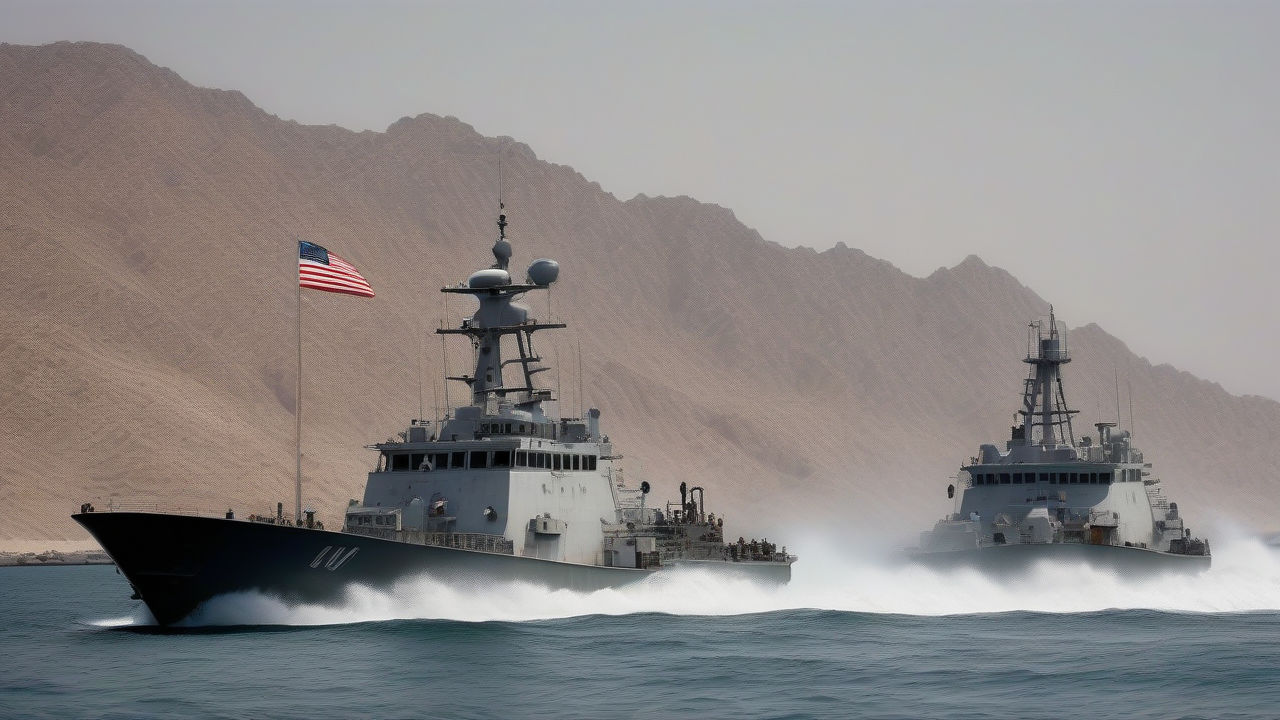
Escalating Tensions in the Strait of Hormuz
The United States is ramping up efforts to secure the strategic Strait of Hormuz, a critical waterway in the Middle East, as reported by DW.com. This move comes amid heightened tensions with Iran, with the US considering naval escorts for ships passing through the strait, according to CNN. The situation is complex, with multiple countries involved and various scenarios unfolding, making it a high-stakes situation for global trade and security.
A Delicate Balance of Power
Analysts note that the Strait of Hormuz is a vital artery for international oil trade, with a significant portion of the world’s oil supply passing through it. The US plan to establish a coalition to escort ships through the strait, as reported by the Wall Street Journal, aims to ensure the safe passage of vessels and prevent any disruptions to global oil supplies. However, observers point out that such a move carries significant risks, including the potential for miscalculations or accidents that could escalate the situation.
International Reactions and Concerns
The UK, as reported by the BBC, has stated that it will not be drawn into a wider war and will instead work with allies to develop a plan for the Strait of Hormuz. This cautious approach reflects the concerns of many countries about the potential consequences of escalating tensions in the region. Israel, on the other hand, has reportedly made plans for at least three weeks of war, with airstrikes already pounding Iran, according to Reuters. The situation is further complicated by the involvement of multiple countries, each with their own interests and agendas.
Why It Matters
The situation in the Strait of Hormuz has significant implications for global trade, security, and the economy. A disruption to oil supplies could have far-reaching consequences, including increased prices and potential shortages. Furthermore, the involvement of multiple countries raises the risk of miscalculations or accidents, which could lead to a wider conflict. As reported by sources, including DW.com and CNN, the US and its allies are walking a fine line between ensuring the safe passage of ships and avoiding actions that could be perceived as provocative.
Impact and Stakes
The stakes are high, with the potential for significant economic and humanitarian consequences. The US plan to establish a coalition to escort ships through the strait could be seen as a necessary measure to ensure the safe passage of vessels, but it also carries risks. Analysts note that the situation is complex and multifaceted, with various scenarios unfolding. The impact of any disruptions to oil supplies could be felt globally, with potential consequences for businesses, consumers, and the economy as a whole.
What to Watch Next
As the situation continues to unfold, observers will be watching closely for any developments or announcements from the US and its allies. The establishment of a coalition to escort ships through the Strait of Hormuz is a significant move, and its implementation will be closely monitored. Additionally, the reactions of other countries, including Iran and Israel, will be crucial in determining the trajectory of the situation. According to sources, including the Wall Street Journal, the US is planning to announce the coalition in the near future, which could mark a significant escalation in the situation. As the world waits with bated breath, one thing is clear: the situation in the Strait of Hormuz is a high-stakes, complex, and multifaceted crisis that requires careful diplomacy and strategic planning to resolve.

Reader Comments