

Rising Tensions in the Strait of Hormuz
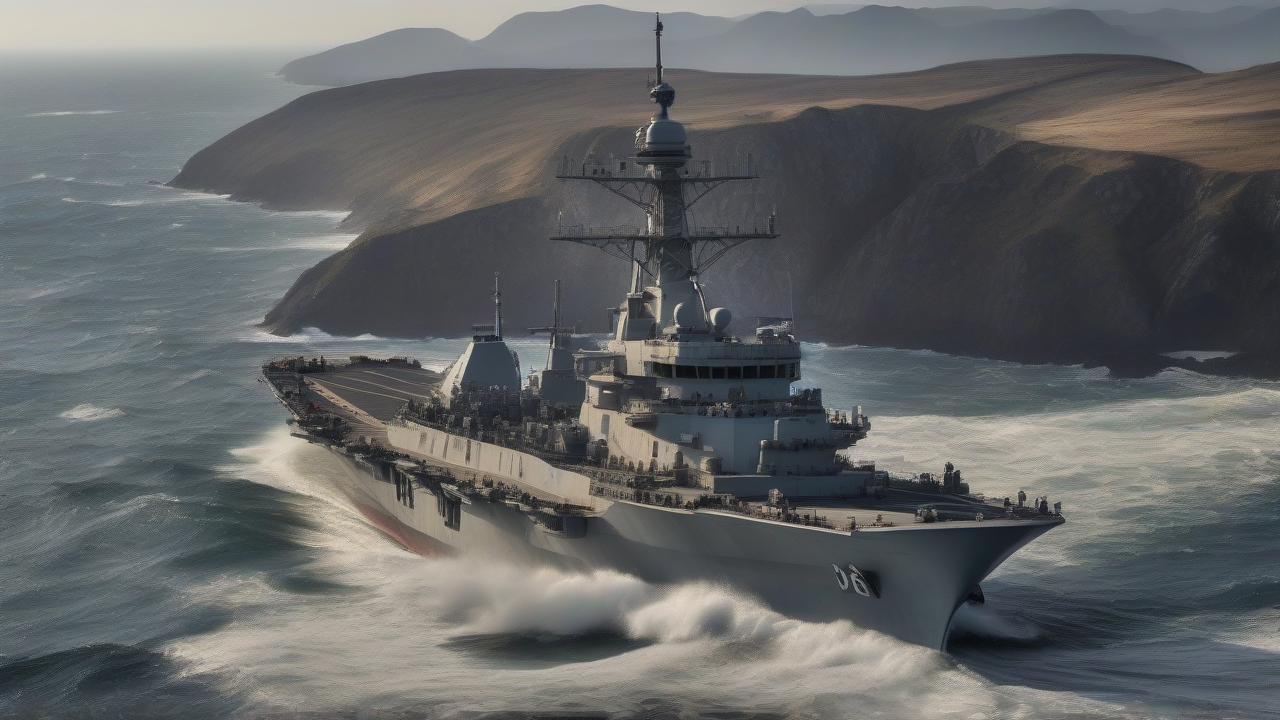
The United States is calling on its allies, including the United Kingdom, to increase their military presence in the Strait of Hormuz, a critical waterway for global oil trade. According to a statement from the US president, as reported by BBC World, the move is aimed at bolstering defense of the key shipping route. This development comes as tensions in the region continue to escalate, with significant implications for global energy security and economic stability.
A Broad Coalition
Observers point out that the US is not only looking to traditional European allies like the UK and France but is also reaching out to major Asian economies, including China, Japan, and South Korea, to contribute to the maritime security effort. Analysts note that such a broad coalition would signal a unified international response to the challenges in the Strait of Hormuz, potentially deterring aggression and ensuring the free flow of oil. The move signals a recognition of the global importance of this waterway, through which a significant portion of the world’s oil passes.
Why It Matters
The Strait of Hormuz is a vital artery for global oil supplies, with approximately 20% of the world’s oil supply passing through it. Any disruption to shipping in this area could have profound effects on the global economy, leading to increased oil prices and potential shortages. Therefore, ensuring the security of this route is crucial not just for the regional stability but for the health of the global economy. As reported by BBC World, the US president’s call for international cooperation underscores the gravity of the situation and the need for a collective response.
Impact on Global Energy Security
The call for increased military presence in the Strait of Hormuz affects not just the countries in the immediate region but has far-reaching implications for global energy security. Consumers and businesses worldwide could feel the impact of any disruption, making the stability of this shipping route a matter of international concern. Experts emphasize that a collaborative approach among nations will be essential in mitigating risks and ensuring that the strait remains open to international shipping.
What’s Next
As the situation continues to unfold, observers will be watching closely for responses from the nations called upon by the US to contribute to the defense of the Strait of Hormuz. Upcoming diplomatic meetings and international forums will provide critical platforms for discussions on how to move forward with the proposed coalition. According to sources, the next few weeks will be crucial in determining the level of international commitment to securing the strait, with potential decisions on troop and ship deployments being closely monitored. The international community awaits the outcomes of these discussions, which will have significant implications for regional and global stability.
Reader Comments