
Escalating Tensions in the Middle East
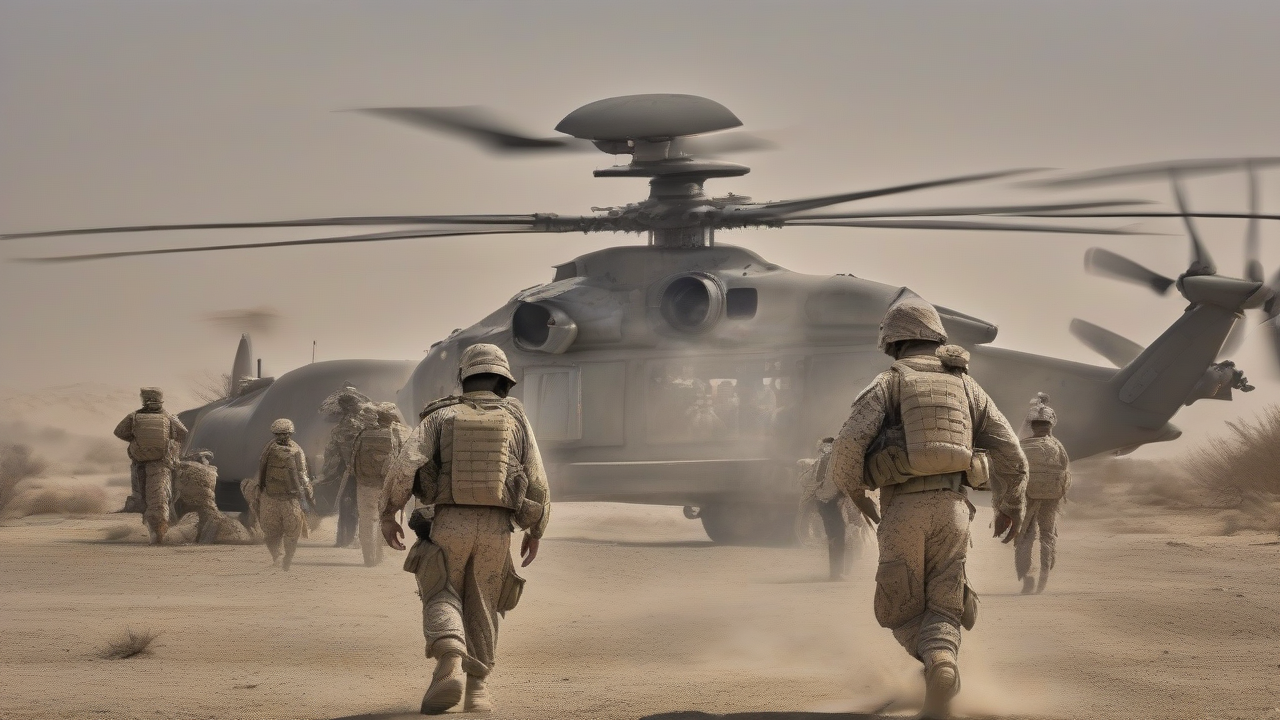
The United States is bolstering its military presence in the Middle East, with additional Marines and warships being deployed to the region, according to reports from US officials, as cited by The New York Times and USNI News. This move comes amidst a backdrop of intensified conflict, with relentless strikes on Iran and a rising death toll in neighboring countries.
Context and Implications
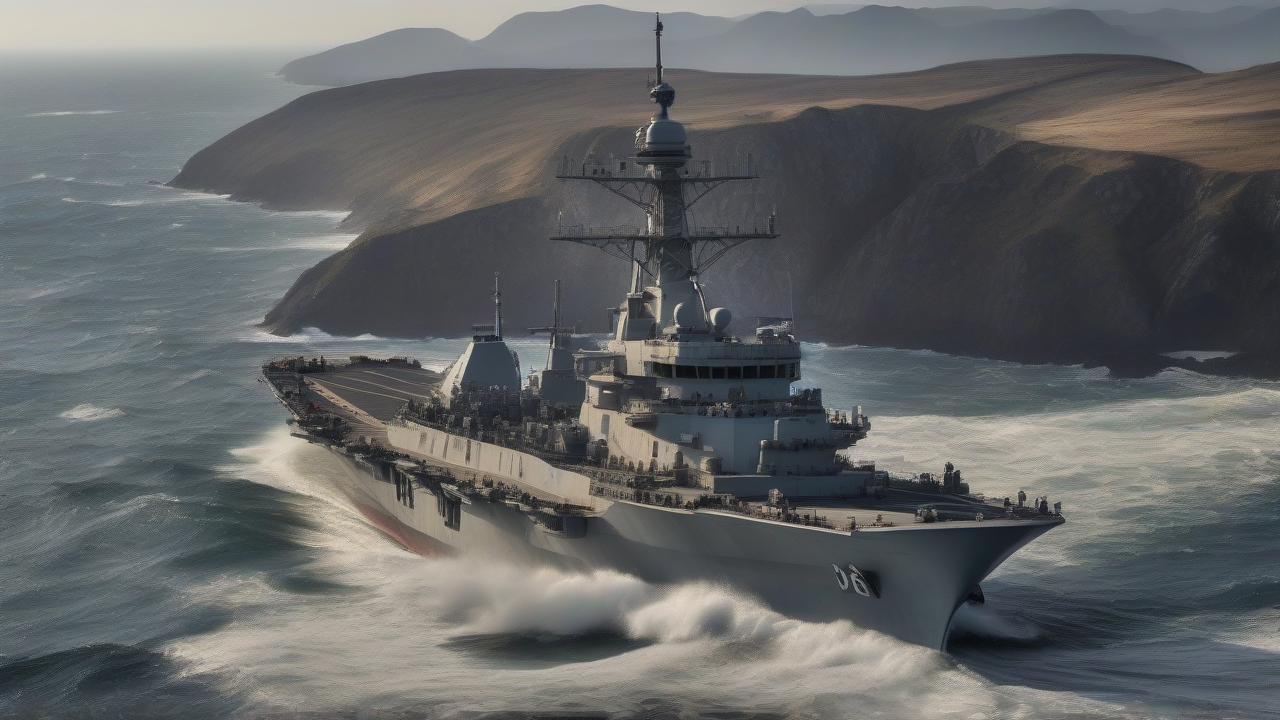
Observers point out that the deployment of more Marines and warships signals a significant escalation of the US military’s involvement in the region. Analysts note that this increased presence is likely aimed at reinforcing the US’s commitment to maintaining stability in the Strait of Hormuz, a critical waterway for global oil trade. As reported by WSJ, the USS Tripoli and the 31st Marine Expeditionary Unit are among the assets being sent to the Middle East, underscoring the gravity of the situation.
Humanitarian Concerns
The conflict has already taken a devastating toll on civilians, particularly in Lebanon, where over 100 children have been killed in Israeli strikes, as reported by AP News. This tragic loss of life serves as a stark reminder of the human cost of war and the need for diplomatic efforts to resolve the crisis. The international community is watching with bated breath as the situation continues to unfold, with many calling for restraint and a peaceful resolution.
Expert Analysis
Experts in the field suggest that the US’s decision to deploy additional troops and warships is a calculated move to demonstrate its military might and deter potential aggression from Iran. However, others warn that this escalation could have unintended consequences, including further destabilization of the region and potential retaliation from Iran or its allies. As noted by PBS, the situation remains highly volatile, with the US continuing to carry out strikes on Iranian targets.
Impact on Regional Stability
The deployment of more US troops and warships to the Middle East is likely to have significant implications for regional stability. The move may be perceived as a show of force by the US, but it also risks exacerbating existing tensions and creating new flashpoints. According to sources indicated by The New York Times, the US is seeking to reassure its allies in the region of its commitment to their security, while also sending a strong message to Iran.
What’s Next
As the situation in the Middle East continues to evolve, all eyes will be on the US and its allies to see how they respond to the escalating conflict. With the USS Tripoli and the 31st Marine Expeditionary Unit en route to the region, the coming days and weeks will be critical in determining the trajectory of the crisis. The international community will be watching closely for any signs of de-escalation or diplomatic breakthroughs, as the region teeters on the brink of further instability.
Reader Comments