

US Military Presence in the Middle East Expands with New Carrier Deployment
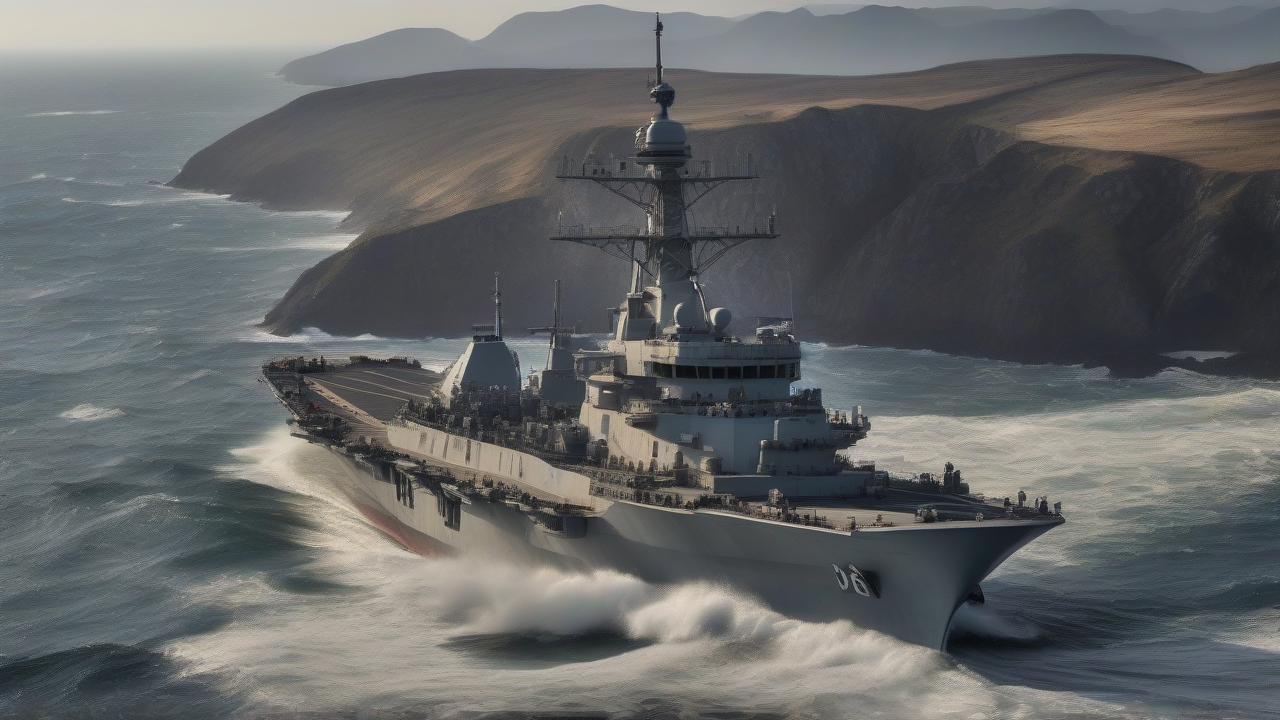
In a significant escalation of its military presence in the region, the United States is sending a second aircraft carrier to the Middle East, according to reports from The Washington Post, citing US security officials. The USS Gerald R. Ford, a state-of-the-art aircraft carrier, has departed the Caribbean Sea and is currently en route to the Middle East, where it will join the USS Abraham Lincoln, which is already operating in the Arabian Sea.
Strategic Implications of the Deployment
Analysts note that this deployment signals a substantial increase in the US military’s capabilities in the region, allowing for enhanced air power and operational flexibility. The move is seen as a response to growing tensions and instability in the Middle East, where the US has significant strategic interests. Observers point out that the deployment of a second carrier to the region demonstrates the US commitment to maintaining a strong military presence in the area, and to deterring potential threats from rival nations.
Context and Background
The US has a long history of maintaining a significant military presence in the Middle East, dating back to the early 20th century. The region’s strategic importance, due to its vast oil reserves and critical trade routes, has made it a focal point of US foreign policy and military strategy. According to sources, the current buildup is part of a broader effort to counterbalance the influence of other major powers in the region, and to protect US interests and allies.
Impact on Regional Dynamics
The deployment of the USS Gerald R. Ford to the Middle East is likely to have significant implications for regional dynamics, as it will increase the US military’s ability to project power and respond to emerging threats. The move may also be seen as a demonstration of US resolve and commitment to its allies in the region, who have been seeking reassurance in the face of growing instability and uncertainty. However, it may also be perceived as a provocative step by some nations, potentially escalating tensions and leading to further instability.
What to Watch Next
As the USS Gerald R. Ford joins the USS Abraham Lincoln in the Arabian Sea, observers will be closely watching the situation to see how the increased US military presence affects regional dynamics. Upcoming developments, such as potential interactions between US and rival nation naval forces, will be critical in determining the impact of this deployment. According to The Washington Post, US security officials have indicated that the deployment is part of a long-term strategy to maintain stability and security in the region, and that further developments will depend on the evolving situation on the ground. As reported by www.israelhayom.com, the situation in the Middle East remains complex and fluid, and the US military buildup is just one aspect of a broader and ongoing story.
Reader Comments