
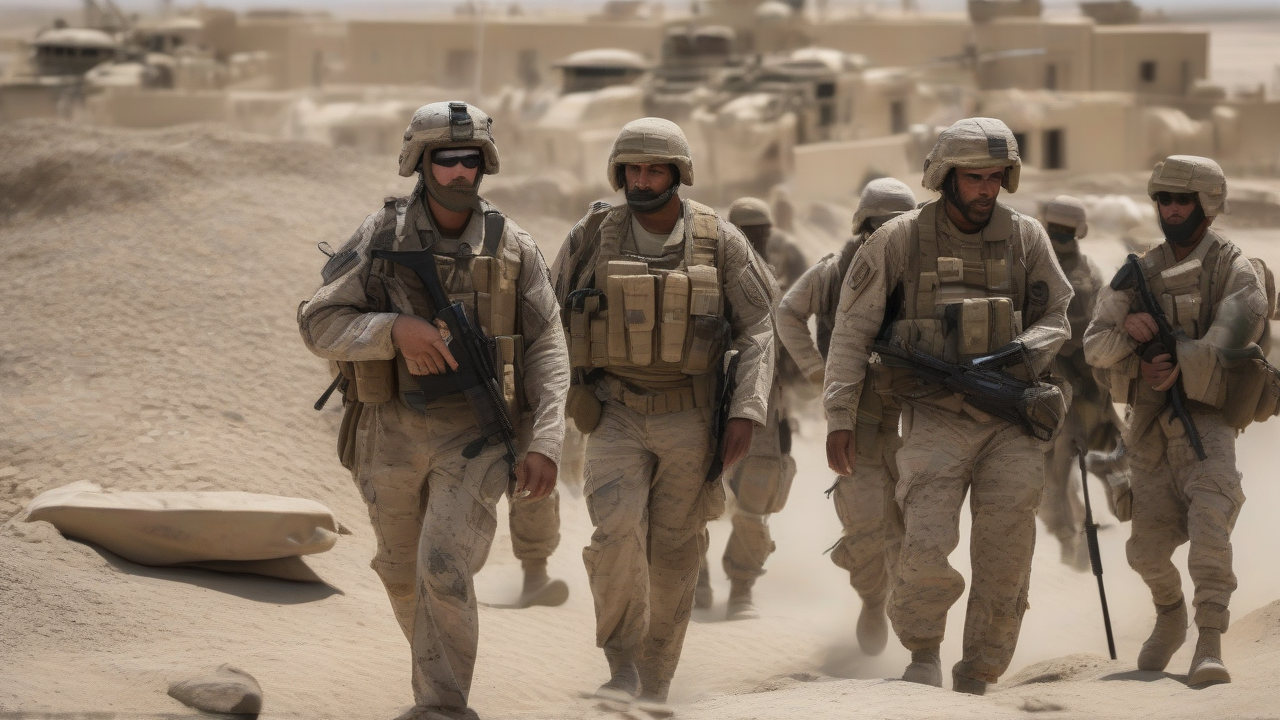
Escalating Conflict in the Middle East
The ongoing conflict between the US, Israel, and Iran has entered its 14th day, with a recent military plane crash resulting in the deaths of 6 US service members, as reported by Yahoo. This incident comes amidst a significant escalation of the conflict, with thousands of Marines reportedly being deployed to the Middle East, according to CNN.
Rising Tensions and Casualties
Analysts note that the conflict is taking a heavy toll on all parties involved, with the US facing rapid depletion of munitions, as highlighted by the Financial Times. Despite this, President Trump has insisted that the US can fight “forever,” a statement that has raised concerns among observers. The crash of the US refueling plane, which resulted in the loss of 6 lives, has further heightened tensions in the region.
Deployment of Additional Forces
The deployment of thousands of Marines to the Middle East, as reported by Yahoo, signals a significant escalation of the conflict. Observers point out that this move is likely to increase the already high tensions in the region, potentially leading to further violence and instability. As reported by Bloomberg, the US has intensified its strikes and rhetoric in the Iran war, with oil prices rising as a result.
Humanitarian Implications
The conflict is having a significant impact on civilians in the region, with many facing displacement, injury, or death. According to sources, the humanitarian situation is deteriorating rapidly, with aid organizations struggling to reach affected areas. The move by the US to deploy additional forces to the region is likely to exacerbate the humanitarian crisis, analysts note.
Broader Implications
The conflict in the Middle East has significant implications for global stability and security. The rise in oil prices, as reported by Bloomberg, is likely to have a ripple effect on the global economy, potentially leading to increased costs for consumers and businesses. Additionally, the conflict has the potential to draw in other regional players, further destabilizing the region.
What to Watch Next
As the conflict continues to escalate, observers will be watching for several key developments. The US is likely to face increased pressure to de-escalate the conflict, particularly given the rapid depletion of munitions. Additionally, the humanitarian situation in the region will require close monitoring, with aid organizations and governments working to provide assistance to affected civilians. According to CNN, the situation on the ground is likely to remain volatile, with further clashes and incidents possible in the coming days. As reported by NBC News, the condition of Iran’s new supreme leader, who is reportedly “likely disfigured,” will also be closely watched, with potential implications for the country’s leadership and decision-making.
Reader Comments