

Rising Tensions in the Middle East
The ongoing conflict between the United States and Iran has sparked widespread criticism from European leaders, with Italy’s Prime Minister Giorgia Meloni being the latest to condemn the US war on Iran. According to Reuters, Meloni criticized the US actions as part of a “dangerous trend” that undermines international law. This stance is significant, as it highlights the growing divide between the US and its European allies on the issue of Iran.
A Shift in European Opinion
Observers point out that Meloni’s comments are part of a broader chorus of criticism from European leaders, who are increasingly concerned about the escalation of violence in the region. As reported by The New York Times, Trump’s Iran policy is causing problems for his allies in Europe, including Meloni, who is struggling to balance her support for the US with her commitment to upholding international law. Politico.eu notes that Meloni’s criticism is in line with the EU’s stance on the issue, which emphasizes the need for a diplomatic solution to the conflict.
Humanitarian Concerns
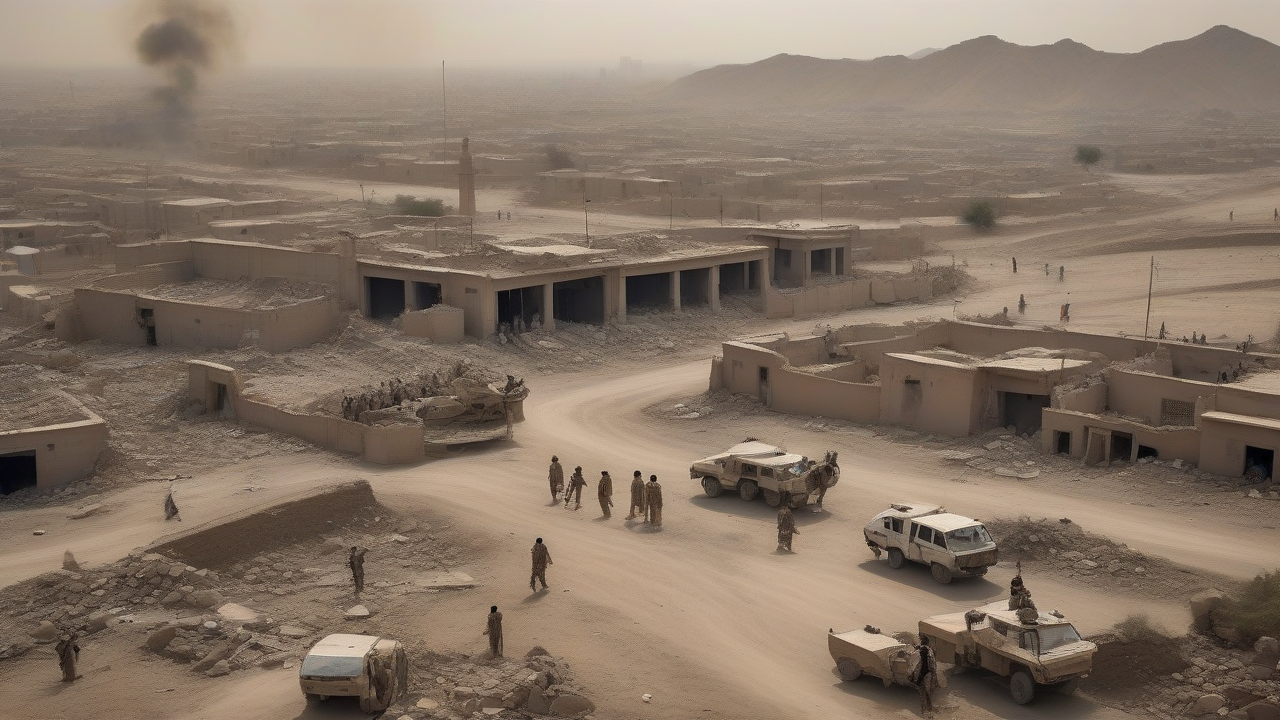
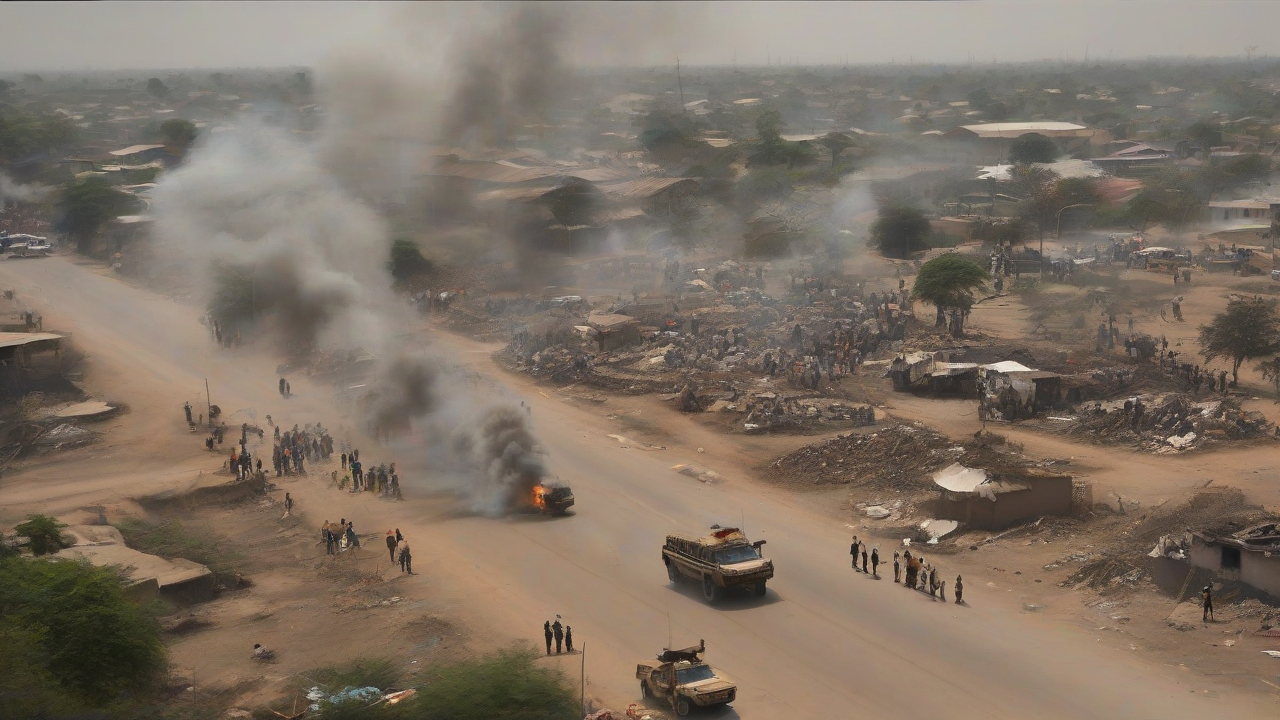
The conflict has also raised serious humanitarian concerns, with reports of civilian casualties and damage to infrastructure. The Hill reports that Meloni condemned the “massacre” at an Iranian school, saying that the war is “outside” international law. This highlights the human cost of the conflict and the need for a peaceful resolution. Bloomberg notes that Meloni has made it clear that Italy will not join any US-Israeli attacks on Iran, emphasizing her commitment to finding a diplomatic solution.
Implications for International Relations
Analysts note that the US-Iran conflict has significant implications for international relations, particularly in the context of European-US relations. The move signals a growing rift between the US and its European allies, who are increasingly frustrated with the US’s unilateral approach to foreign policy. According to sources, this rift could have far-reaching consequences, including the erosion of trust and cooperation between the US and its allies.
What’s Next
As the situation continues to unfold, observers will be watching closely to see how the US and its allies respond to the growing criticism. With the EU emphasizing the need for a diplomatic solution, it remains to be seen whether the US will shift its approach to the conflict. Upcoming diplomatic meetings and negotiations will be crucial in determining the next steps in the conflict, and the international community will be watching closely to see if a peaceful resolution can be achieved. As reported by various news outlets, including Reuters, The New York Times, and Bloomberg, the situation remains volatile, and the stakes are high for all parties involved.

Reader Comments