
Shift in Military Assets Sparks Concern Among US Allies in Asia
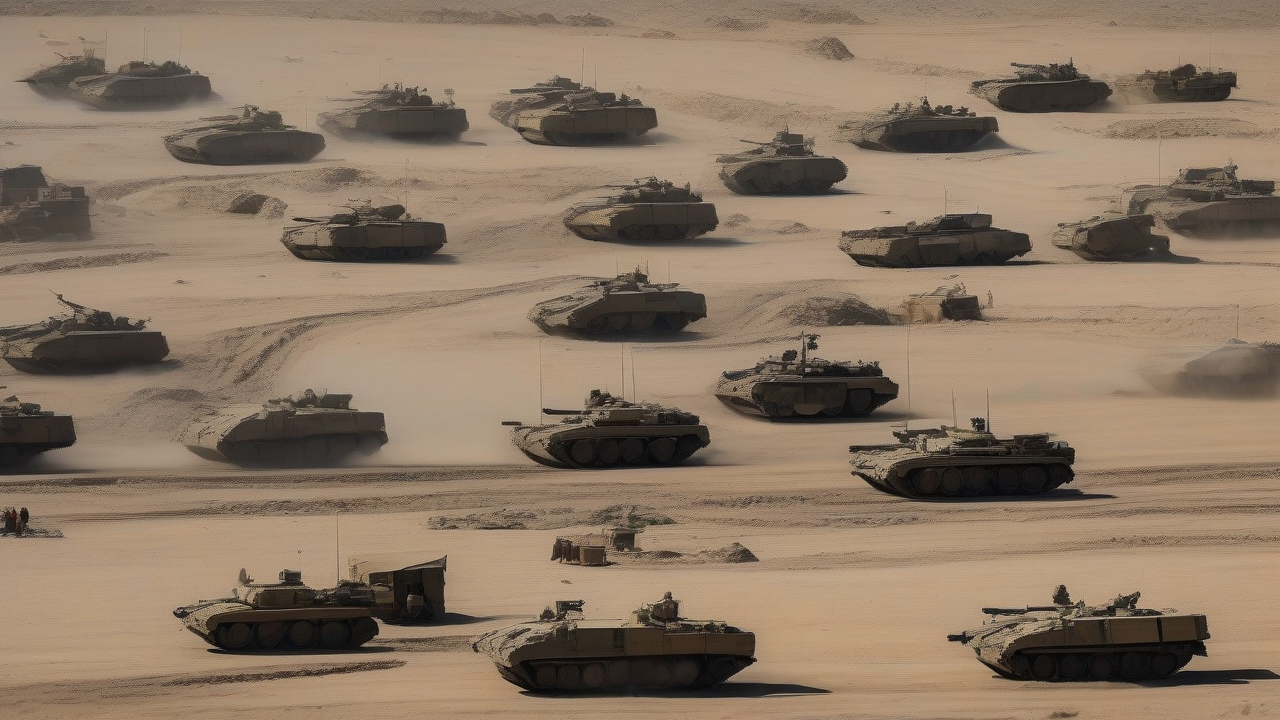
The United States’ decision to redirect its military assets from Asia to the Middle East in response to escalating tensions with Iran has left its allies in the region on edge, according to reports from Bloomberg and The New York Times. This move has significant implications for the balance of power in Asia, particularly with regards to China, as noted by analysts at the South China Morning Post.
A Delicate Balance of Power
Observers point out that the redirection of US military assets could create a power vacuum in Asia, allowing China to expand its influence in the region. The New York Times suggests that a war in Iran could potentially help China by diverting US attention and resources away from Asia. This, in turn, could lead to a shift in the regional dynamics, with China potentially gaining an upper hand. As reported by the Wall Street Journal, America’s military is currently focused on Iran, but its biggest challenge lies in China, highlighting the complexities of the situation.
Impact on US Allies
The move is likely to affect US allies in the region, including Taiwan, which is due to receive US missile stockpiles, as indicated by Nikkei Asia. The redirection of these assets raises concerns about the ability of the US to fulfill its commitments to its allies in Asia. Analysts note that this could lead to a decrease in trust among US allies, potentially weakening the regional alliance system. According to sources, the US is walking a fine line in balancing its military commitments in the Middle East with its obligations in Asia.
Broader Implications
The situation highlights the challenges faced by the US in maintaining its global military presence. As reported by Bloomberg, the shift in military assets is a response to the evolving security landscape, with the US needing to adapt to emerging threats. However, this also means that the US must make difficult decisions about where to allocate its resources, potentially leaving some regions vulnerable. The move is a reminder that the US faces multiple challenges on different fronts, and its ability to manage these competing demands will be crucial in maintaining its position as a global leader.
What to Watch Next
As the situation continues to unfold, observers will be watching closely to see how the US navigates its military commitments in the Middle East and Asia. Upcoming decisions on troop deployments and military asset allocations will be crucial in determining the impact on US allies in the region. According to the South China Morning Post, China is likely to be watching the situation closely, looking for opportunities to expand its influence in Asia. The next few months will be critical in shaping the regional dynamics, and the US will need to balance its competing interests carefully to maintain stability in the region.

Reader Comments