
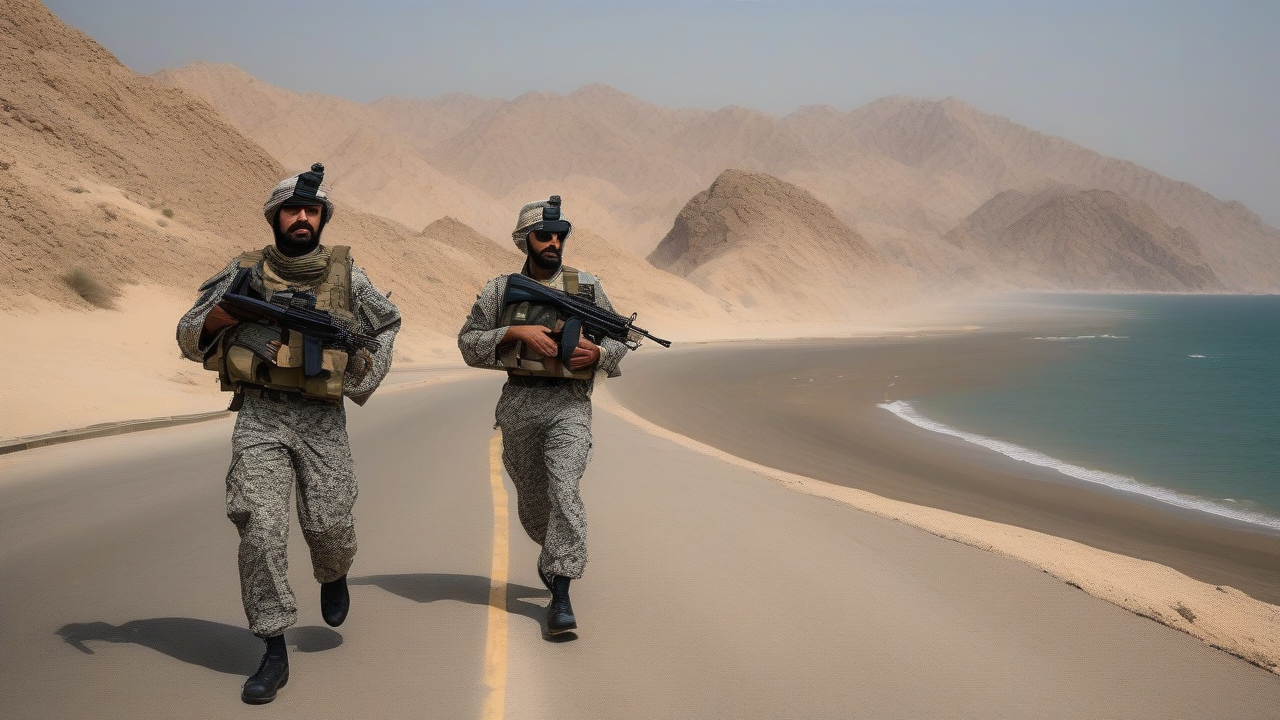
Rising Tensions in the Strait of Hormuz
In a significant escalation of international involvement in the region, the United States is calling on its allies, including the United Kingdom, to bolster the military presence in the Strait of Hormuz, a crucial oil shipping lane. According to reports from BBC World, this move is aimed at defending the strategic waterway against potential threats. The development comes as observers point out that the stability of global oil supplies hangs in the balance, with the Strait of Hormuz being a vital passage for international trade.
A Broad Coalition
Analysts note that the US is seeking to assemble a broad coalition of nations to contribute to the defense of the Strait of Hormuz. The list of countries the US hopes will participate includes China, France, Japan, and South Korea, indicating a desire for a unified international response to the situation. This approach signals an acknowledgment of the global implications of any disruption to oil shipments through the strait. As reported by BBC World, the US president’s call to action underscores the importance of collective security in maintaining the free flow of oil, which is critical for the health of the global economy.
Why It Matters
The Strait of Hormuz is a chokepoint for international oil trade, with a significant portion of the world’s oil supply passing through it. Any disruption to shipping in the area could have far-reaching consequences, including increased oil prices and potential shortages. Experts point out that the involvement of multiple nations in defending the strait would not only enhance security but also demonstrate a commitment to the principles of free navigation and open trade. This context is crucial in understanding the motivations behind the US call for international cooperation, as the stability of the global energy market is at stake.
Impact on Global Trade
The potential for conflict in the Strait of Hormuz affects not just the countries directly involved but also has broader implications for global trade and economic stability. Observers highlight that an increase in military presence in the region could deter aggressive actions, thereby safeguarding the interests of all nations that rely on oil shipments through the strait. However, the move also carries the risk of escalating tensions, which could have unforeseen consequences. As sources indicate, the situation is complex, with multiple factors at play, including geopolitical rivalries and economic interests.
Looking Ahead
As the international community considers the US call for increased military presence in the Strait of Hormuz, all eyes are on the responses from China, France, Japan, South Korea, and the UK. The decisions these nations make will be closely watched, as they will signal the level of commitment to collective security and the defense of key international shipping lanes. According to BBC World, the situation remains fluid, with developments expected in the coming weeks. Analysts will be watching for any signs of cooperation or resistance from the invited nations, as well as the potential impact on regional and global stability. The next steps taken by these countries will be crucial in determining the future security of the Strait of Hormuz and, by extension, the stability of the global oil market.
Reader Comments