
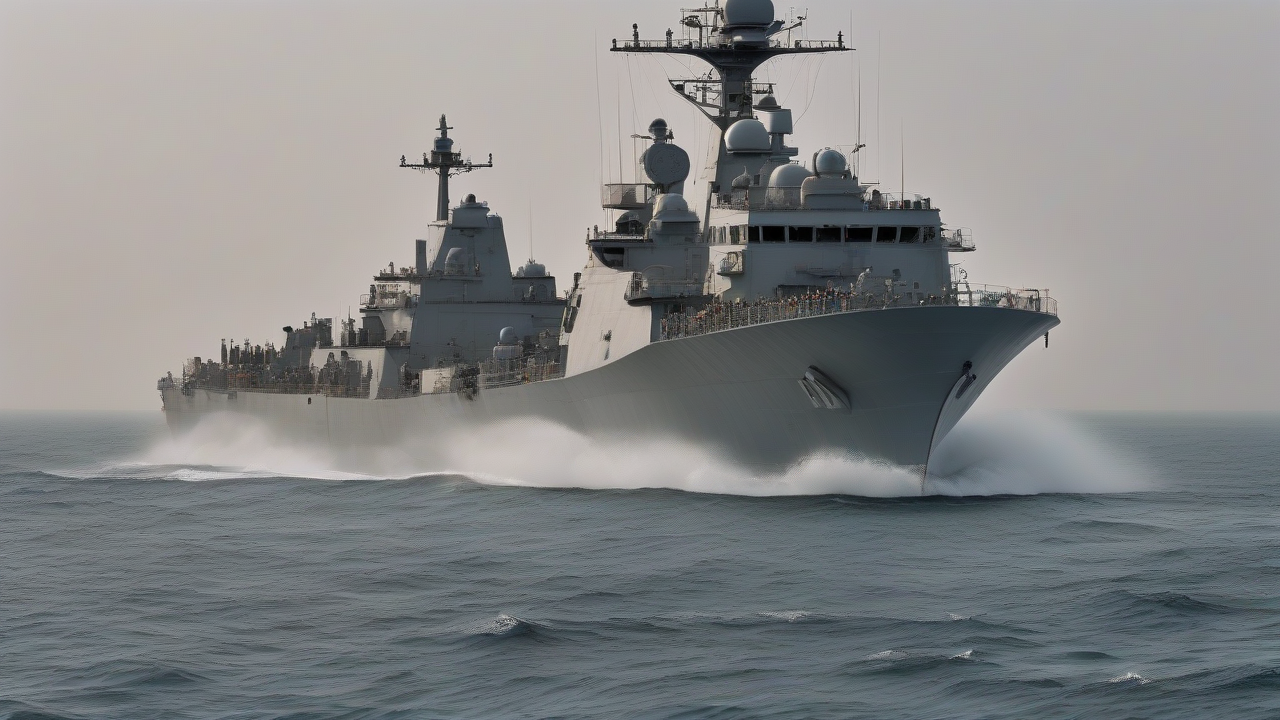
Rising Tensions in the Strait of Hormuz
The international community is exercising caution in response to a recent call by former US President Donald Trump to send warships to the Strait of Hormuz, a strategic waterway in the Middle East. According to reports by The New York Times, this move has sparked concern among nations, highlighting the complex geopolitical dynamics at play in the region.
Geopolitical Implications
Analysts note that the Strait of Hormuz is a critical chokepoint for global oil trade, with nearly a third of the world’s seaborne oil passing through it. The move to send warships to the region signals a potential escalation of tensions between the US and Iran, which has been a point of contention in recent years. Observers point out that such an action could have far-reaching implications for global energy markets and the broader Middle East region.
Context and History
The Strait of Hormuz has long been a source of tension between the US and Iran, with both countries having competing interests in the region. In recent years, there have been several incidents of hostility, including the seizure of oil tankers and the downing of a US drone. The US has maintained a significant military presence in the region, with the aim of ensuring the free flow of oil and protecting its allies. However, the situation remains volatile, and any misstep could lead to a wider conflict.
International Response
As reported by The New York Times, nations are responding to the call with caution, recognizing the potential risks and consequences of escalating tensions in the region. European nations, in particular, are urging restraint, citing the need for diplomacy and dialogue to resolve the issue. Analysts indicate that a military buildup in the region could lead to unintended consequences, including the disruption of global oil supplies and the destabilization of the region.
Impact on Global Energy Markets
The potential consequences of a military conflict in the Strait of Hormuz are significant, with the possibility of disrupting global oil supplies and driving up energy prices. This could have a ripple effect on the global economy, impacting industries and consumers alike. Observers point out that the situation is being closely watched by energy markets, with traders and investors seeking to gauge the potential risks and opportunities.
What to Watch Next
As the situation continues to unfold, observers will be watching for any signs of escalation or de-escalation in the region. The US and its allies will need to balance their interests with the need to avoid a wider conflict, while Iran will need to consider the potential consequences of its actions. According to sources, the next few weeks will be critical in determining the trajectory of the situation, with diplomats and leaders working to find a peaceful resolution to the crisis. As reported by The New York Times, the international community will be closely monitoring the situation, seeking to prevent a catastrophic conflict in one of the world’s most sensitive regions.
Reader Comments