
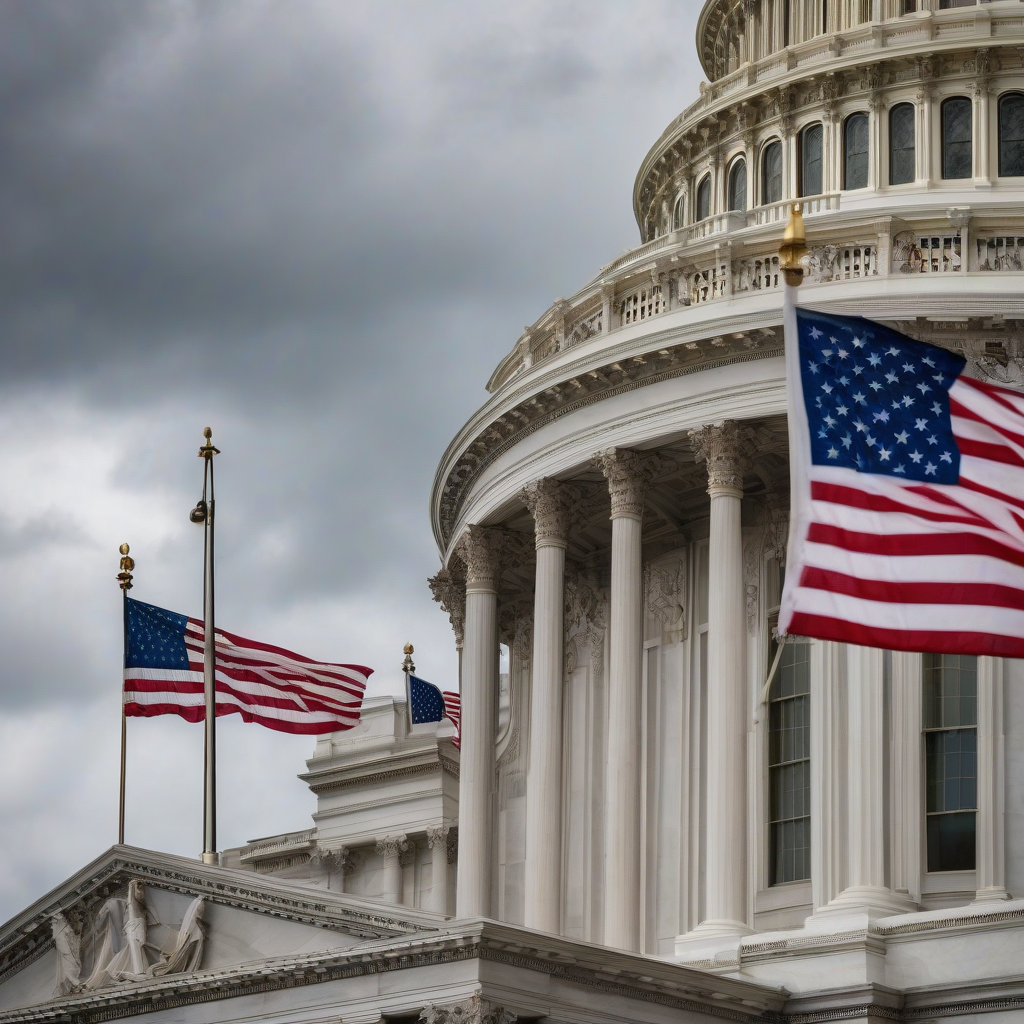
Federal Operations Hang in the Balance
Large portions of the Department of Homeland Security face an imminent shutdown after Senate Democrats blocked two separate funding proposals, escalating a standoff rooted in deep disagreements over federal immigration enforcement operations.
The impasse centers on Democratic demands for new restrictions on Immigration and Customs Enforcement agents, whom Senate Minority Leader Chuck Schumer has described as a “rogue force.” Republican leaders have pushed back, arguing that the proposals represent essential funding for national security operations that cannot be held hostage to policy disputes.
What Led to the Crisis
The confrontation has been building for weeks as bipartisan negotiations over DHS funding repeatedly broke down. At the heart of the dispute are questions about ICE’s operational authority, training protocols, and use-of-force policies — issues that have gained fresh urgency following a series of controversial enforcement actions.
Both parties had expressed optimism about reaching a deal as recently as last week, but talks deteriorated rapidly when Republicans introduced two funding bills that Democrats said failed to include meaningful oversight provisions for immigration agents.
Impact on Federal Workers and Operations
A partial shutdown would affect hundreds of thousands of DHS employees, though essential security functions — including border patrol and TSA operations — would continue under existing protocols. However, administrative functions, training programs, and non-essential operations face significant disruptions.
Federal employee unions have warned that a prolonged shutdown could have cascading effects on morale and operational readiness across the department’s sprawling bureaucracy, which encompasses 22 distinct agencies.
The Political Stakes
The standoff carries significant political risk for both parties heading into a contentious midterm cycle. Democrats face pressure from progressive allies to hold firm on ICE reform, while Republicans argue that any appearance of weakening border security could backfire with voters who rank immigration as a top concern.
Analysts note that the dispute reflects deeper tensions within Congress over the proper scope of federal immigration enforcement — a debate that has only intensified as the administration has expanded its deportation operations.
What Comes Next
Congressional leaders have signaled that negotiations will continue through the weekend, with a temporary continuing resolution emerging as the most likely path to avoiding a full shutdown. However, Senate sources caution that the fundamental disagreements over ICE oversight remain unresolved, suggesting this battle may only be delayed rather than settled.
The White House has urged both sides to reach a compromise, though administration officials have stopped short of endorsing specific reform measures, as reported by The Washington Post.


Reader Comments