
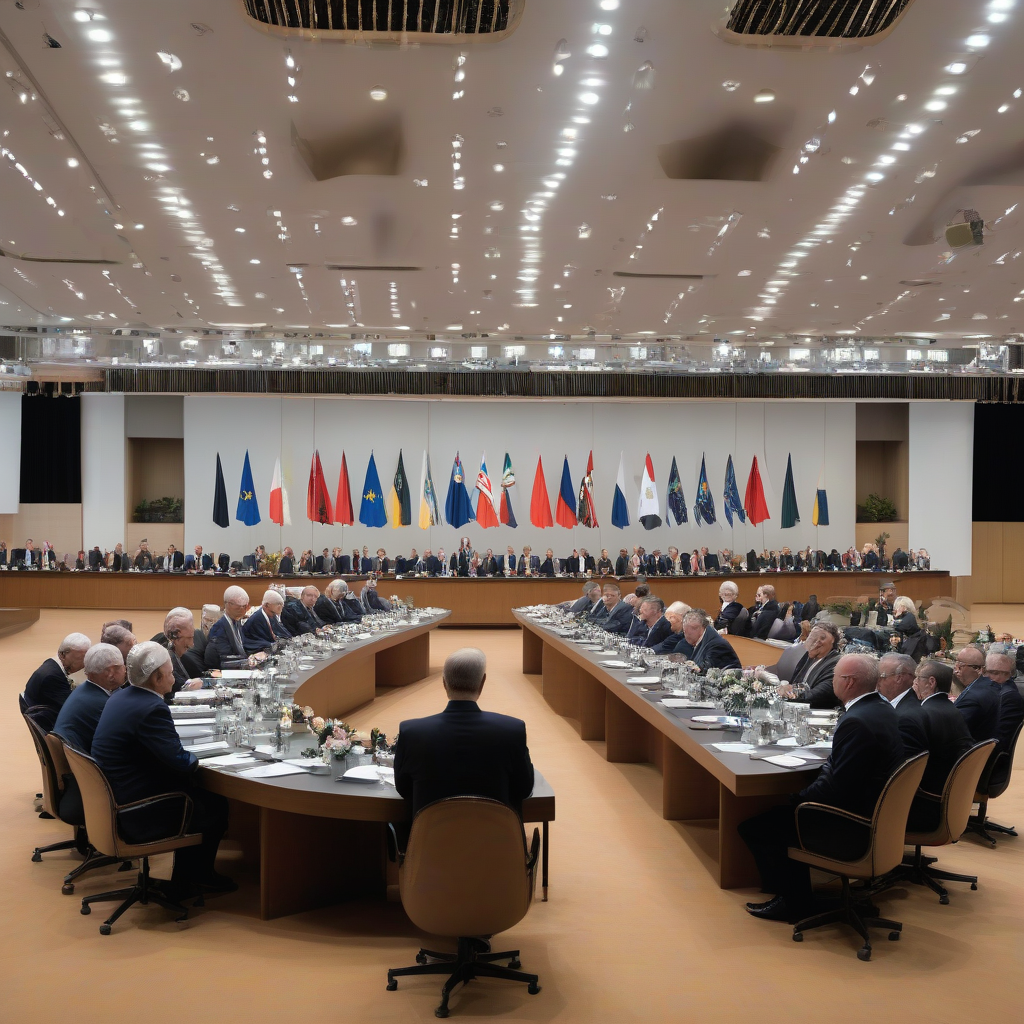
A Pointed Message to European Partners
Secretary of State Marco Rubio delivered a blunt message to America’s European allies at the Munich Security Conference, declaring that the United States wants to reinvigorate its transatlantic relationships but that partners need to significantly increase their contributions to collective defense.
The remarks, delivered to a packed hall of global security leaders, underscored the administration’s continued push for burden-sharing among NATO members — a theme that has defined American foreign policy across multiple administrations but has taken on fresh urgency under the current White House.
Diplomacy First on Iran
Rubio also addressed the administration’s approach to Iran, confirming that President Trump prefers a diplomatic path to resolving tensions over Tehran’s nuclear program. The secretary emphasized that negotiations remain the primary focus, even as the Pentagon has dispatched a second aircraft carrier group to the Middle East as a show of force.
“We prefer diplomacy, and that is where our focus is right now,” Rubio told reporters on the sidelines of the conference, according to CNN. “But the president has been very clear that all options remain on the table.”
European Response
The reception among European leaders was mixed. Several NATO allies acknowledged the need for increased defense budgets, pointing to ongoing commitments to meet the alliance’s 2% of GDP spending target. However, some diplomats privately expressed frustration at what they described as an overly transactional approach to alliance management.
Observers note that the dynamic reflects a broader recalibration of transatlantic relations, with European nations increasingly investing in their own defense capabilities while seeking reassurance about American commitment to collective security.
The Broader Context
The Munich conference comes at a particularly fraught moment for global security. With ongoing conflicts in multiple regions, rising tensions in the Middle East, and persistent questions about the future of European defense architecture, the gathering has served as a barometer for Western cohesion.
Rubio’s attendance itself was seen as a positive signal by European allies, who have expressed concern about American disengagement from multilateral institutions. The secretary’s willingness to engage directly with counterparts was welcomed even as his message challenged them to do more.
Looking Ahead
The defense spending debate is expected to intensify in the coming months as NATO prepares for its annual summit. Analysts predict that the administration will continue pressing allies for concrete commitments, potentially linking defense cooperation to trade and economic negotiations.
For now, Rubio’s Munich appearance has set the tone for what promises to be an active year of American diplomacy in Europe, as reported by CNN.
Reader Comments