
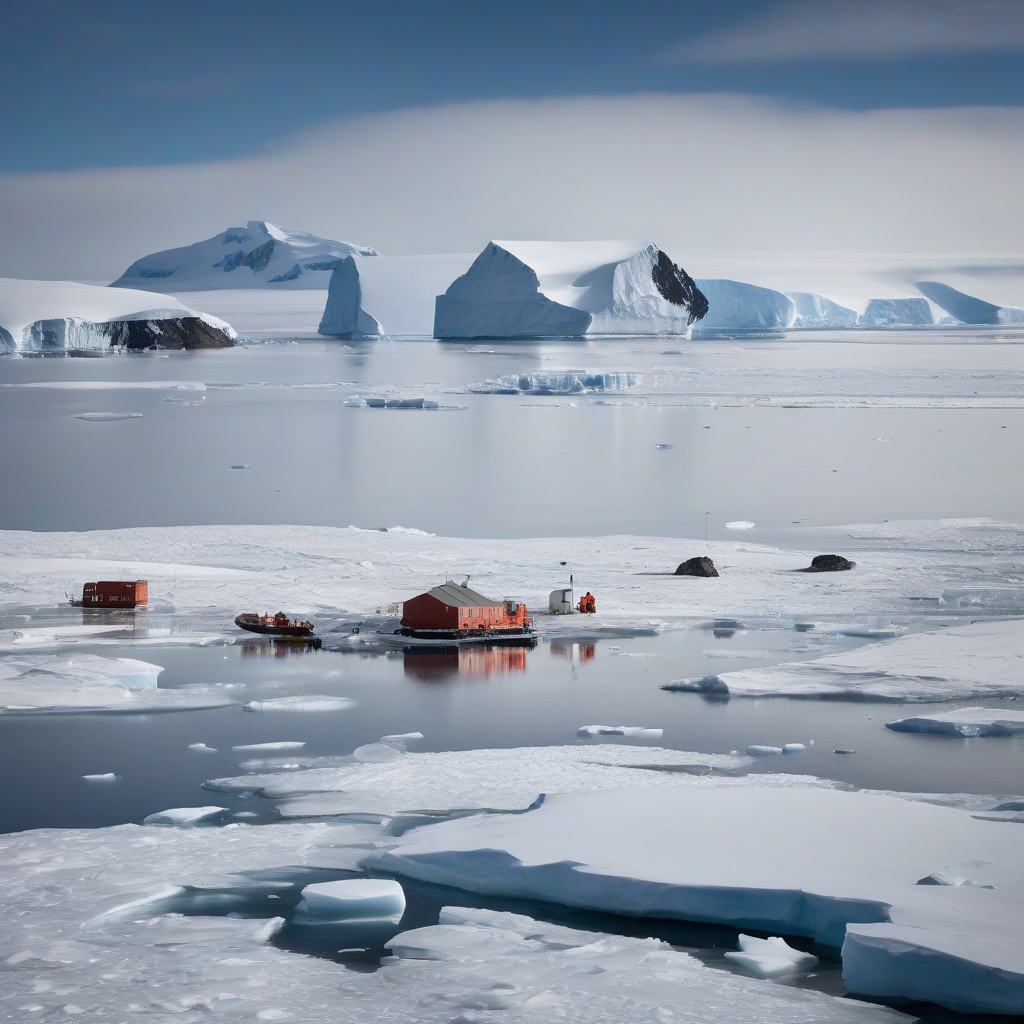
Plastic Reaches Earth’s Last Frontier
Scientists have discovered that Belgica antarctica — a tiny, rice-sized midge and the southernmost insect on Earth — is already ingesting microplastics. The finding provides alarming evidence that plastic pollution has penetrated even the most remote and pristine ecosystems on the planet.
The wingless midge, which spends most of its life frozen in Antarctic soil, has become an unwitting indicator of the global microplastics crisis.
The Discovery
Researchers examined specimens of Belgica antarctica collected from several sites on the Antarctic Peninsula and found microplastic particles in their digestive systems. The plastics consisted primarily of polyester and polyethylene fibers — materials commonly found in synthetic clothing and packaging — suggesting that even Antarctica’s isolation cannot protect its inhabitants from the global spread of plastic pollution.
The insects, which feed on decomposing organic matter in soil, appear to be consuming microplastics that have settled onto the Antarctic landscape through atmospheric deposition — carried thousands of miles from human population centers by wind and ocean currents.
Significance for Polar Ecosystems
Belgica antarctica occupies a unique ecological niche as the largest purely terrestrial animal on the Antarctic continent. Its vulnerability to microplastic contamination suggests that other Antarctic organisms may be similarly affected, with potential consequences that cascade through the polar food web.
The midge plays an important role in Antarctic soil ecosystems, breaking down organic matter and recycling nutrients. If microplastic ingestion affects the insect’s health or reproduction, the ripple effects could extend to the broader ecosystem.
The Global Context
The finding adds to a growing body of research documenting the pervasiveness of microplastic pollution. Scientists have previously found microplastics in the Mariana Trench, on Mount Everest, in Arctic sea ice, and in human blood and lung tissue. The Antarctic discovery fills in what was one of the last remaining gaps in the global picture, as reported by ScienceDaily.
What It Means
The research underscores that microplastic pollution is truly a planetary-scale problem that no ecosystem can escape. For scientists studying Antarctica — often regarded as Earth’s last wilderness — the finding serves as a sobering reminder that human activity has left its mark on even the most remote corners of the globe.


Reader Comments