
A New Political Chapter
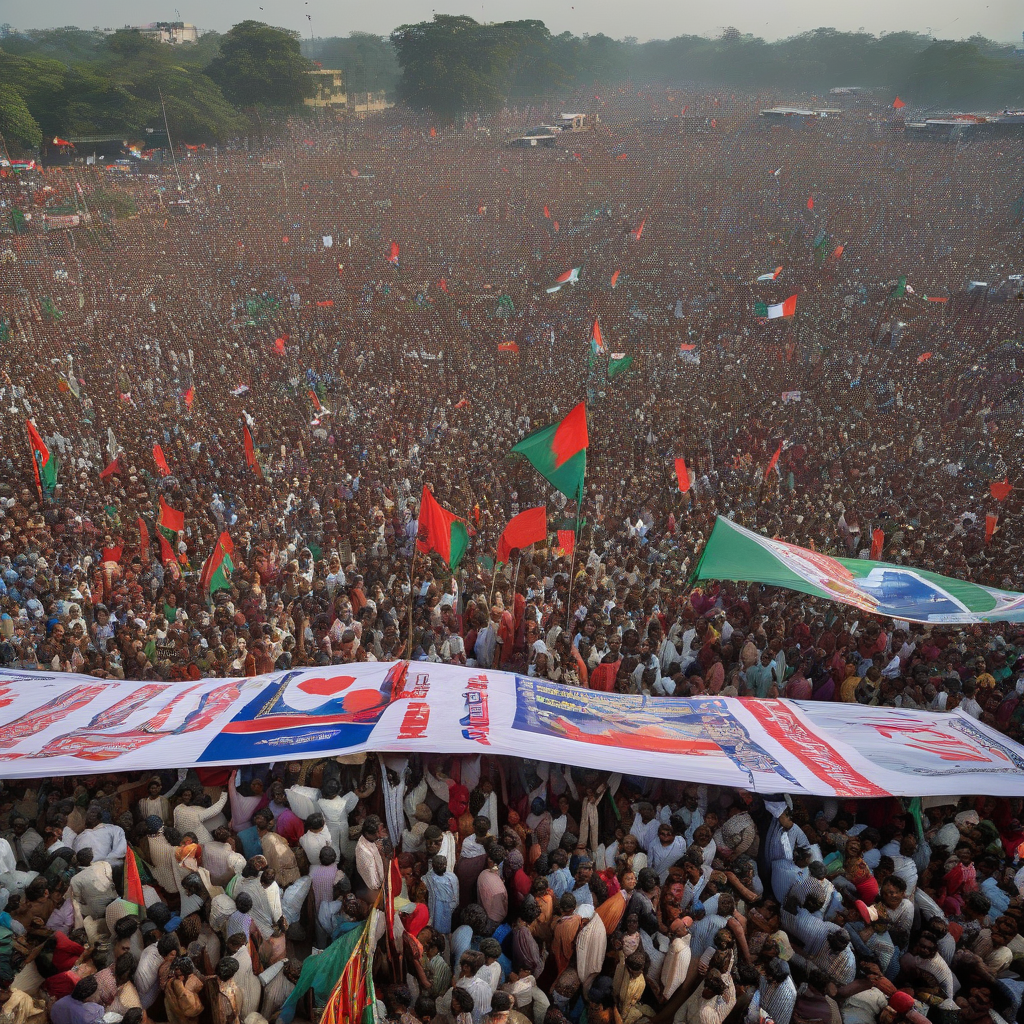
The Bangladesh Nationalist Party, led by Tarique Rahman, has claimed victory in the country’s first elections held since the previous government was toppled in a student-led revolution in 2024. The result marks a dramatic turn in Bangladeshi politics and signals a potential shift in the South Asian nation’s domestic and foreign policy orientation.
The elections were widely viewed as a critical test of Bangladesh’s democratic institutions following nearly two years of political upheaval.
The Path to This Moment
Bangladesh’s political landscape was transformed in 2024 when a mass student movement, fueled by grievances over government policies and democratic backsliding, succeeded in ousting the long-serving government. The revolution — largely peaceful but punctuated by moments of intense confrontation — led to an interim administration tasked with restoring democratic governance.
The decision to hold elections represented the interim government’s fulfillment of its core mandate, though the process was not without controversy. Opposition groups raised concerns about voter access and media freedoms during the campaign period.
What BNP Victory Means
The BNP’s return to power carries significant implications for Bangladesh’s trajectory. The party has historically advocated for closer ties with Western nations and a more market-oriented economic policy, in contrast to the previous government’s approach.
Rahman, who led the party’s campaign from abroad for much of the transition period, faces enormous challenges including rebuilding governmental institutions, addressing economic disruption caused by the political crisis, and unifying a deeply divided nation.
Regional Implications
Bangladesh’s neighbors are watching the transition closely. India, which maintained complex relationships with both the previous government and the revolutionary movement, will be particularly attentive to the BNP’s foreign policy signals. China, which has significant infrastructure investments in Bangladesh, will seek continuity in economic relations.
The election outcome also matters for the broader region as a demonstration that popular movements can lead to democratic transitions rather than prolonged instability, according to international media reports.
Challenges Ahead
The new government inherits an economy still recovering from political disruption, a garment industry facing global headwinds, and a population with heightened expectations for change. How the BNP manages these challenges in its first hundred days will set the tone for Bangladesh’s next political chapter.

Reader Comments