
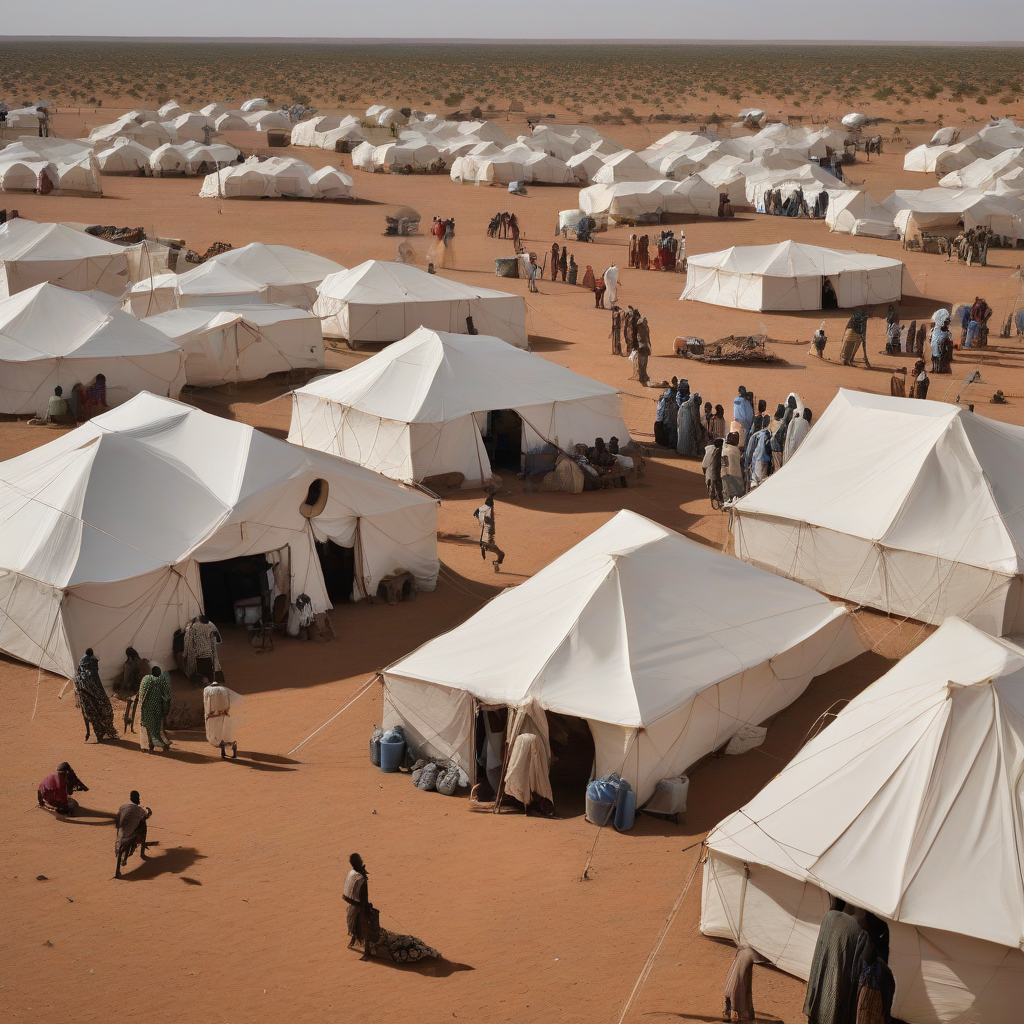
Devastating Wave of Attacks
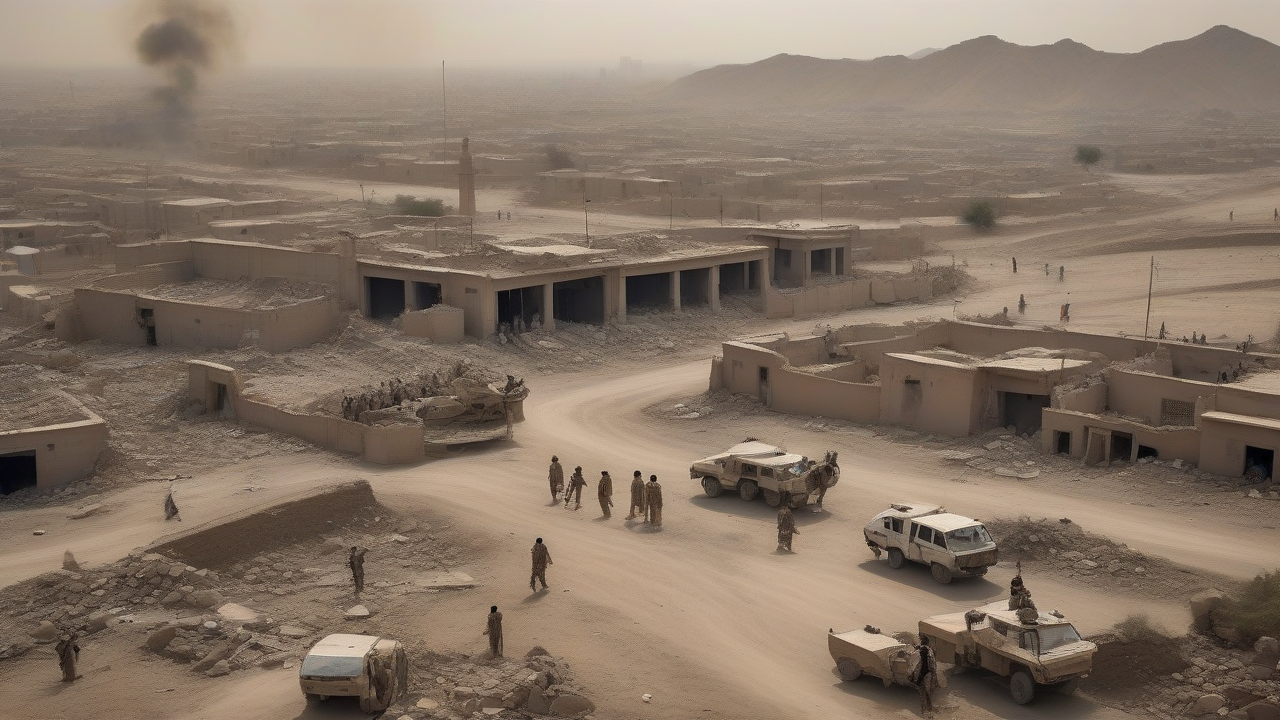
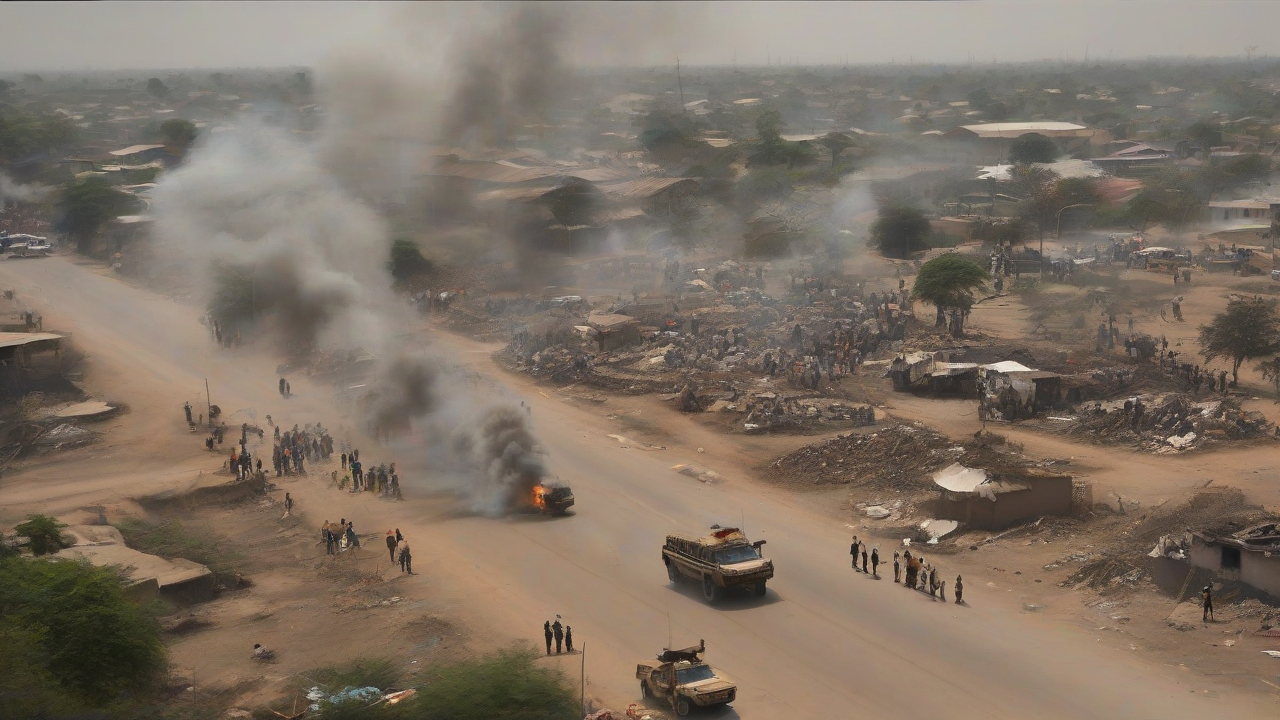
More than 6,000 people were killed in just three days when a Sudanese paramilitary group unleashed what observers describe as a wave of intense, systematic violence across Sudan’s Darfur region. The Rapid Support Forces carried out coordinated attacks on civilian areas, producing one of the deadliest episodes in the country’s ongoing civil conflict.
The scale of the killing has shocked humanitarian organizations and renewed calls for international intervention in a crisis that has already displaced millions.
The Humanitarian Toll
The attacks targeted multiple communities across Darfur, with survivors describing coordinated assaults that left little opportunity for escape. Medical facilities in the region, already operating under severe constraints, were overwhelmed by the influx of wounded civilians.
Aid organizations report that the violence has cut off humanitarian access to affected areas, leaving survivors without medical care, food, or clean water. The United Nations has described the situation as catastrophic, with the potential for further mass atrocities if the violence continues unchecked.
A Conflict Without End
Sudan’s civil war, which erupted in April 2023 between the Sudanese Armed Forces and the Rapid Support Forces, has produced one of the world’s worst humanitarian emergencies. Millions have been displaced internally and across borders, while famine conditions have taken hold in multiple regions.
The Darfur attacks represent an escalation even by the brutal standards of the conflict, suggesting that the RSF is pursuing a campaign of territorial control through mass violence against civilian populations.
International Response
The international community has condemned the attacks, with the UN human rights chief calling for immediate cessation of hostilities and accountability for those responsible. However, diplomatic efforts to end the conflict have repeatedly stalled, with neither side showing willingness to engage in meaningful negotiations.
Regional powers including Egypt, Saudi Arabia, and the United Arab Emirates have been accused of supporting various factions in the conflict, complicating international efforts to broker a ceasefire, as reported by NPR.
What Comes Next
Humanitarian organizations are calling for emergency access to affected communities and a renewed push for diplomatic resolution. However, the pattern of escalating violence offers little reason for optimism. For the people of Darfur, the latest attacks represent yet another chapter in a decades-long cycle of violence that the international community has repeatedly failed to halt.

Reader Comments